Florida vs. Texas: Which State Is Cheaper to Live in? (2026 Cost Breakdown)
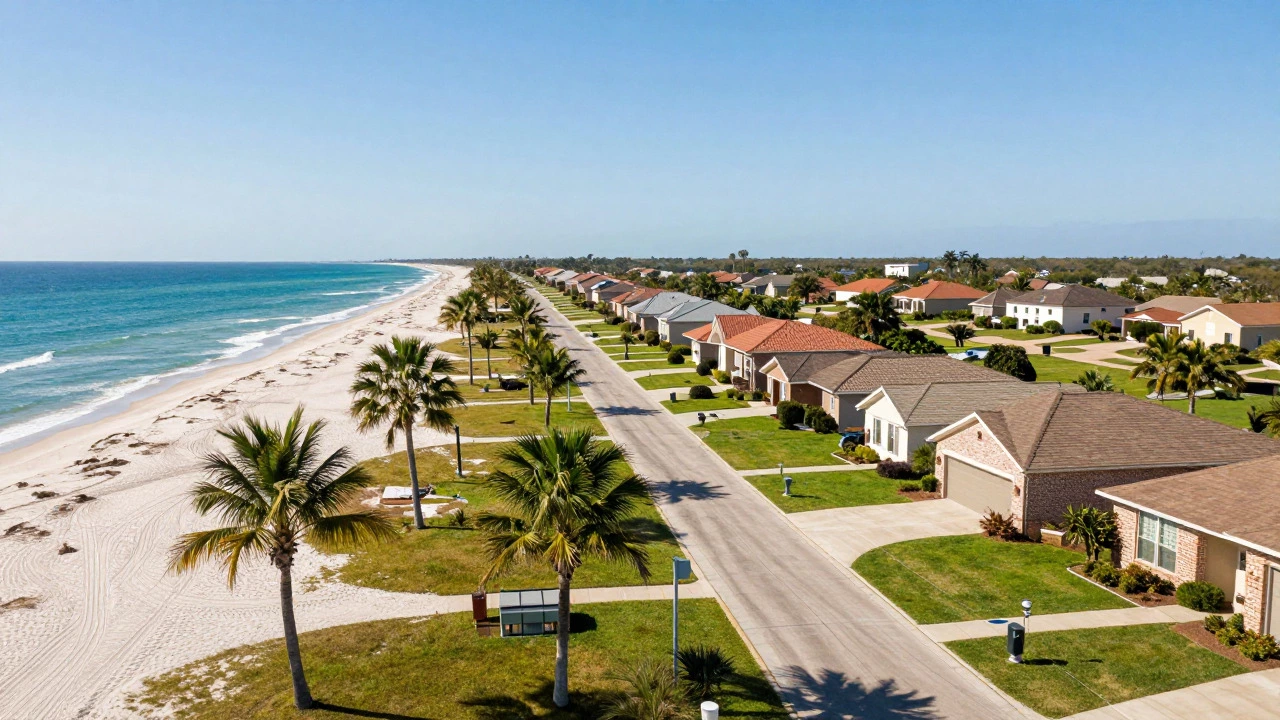
Florida vs. Texas Cost of Living Calculator
Enter your specific housing details to see which state offers a lower total annual outlay based on 2026 average rates.
Adjust inputs or click Calculate to compare.
Florida
Texas
| Expense Category | Florida | Texas |
|---|---|---|
| Property Tax | $0 | $0 |
| Insurance | $0 | $0 |
| Utilities (Annual) | $0 | $0 |
| Fuel Costs | $0 | $0 |
| Total Annual Cost | $0 | $0 |
Retiring to the sun or chasing a career boost often leads to one decisive question: Is it cheaper to live in Florida or Texas? The answer isn't a simple yes or no. While both states offer warm weather and no state income tax, their cost structures diverge significantly once you factor in housing, utilities, and local taxes. For many buyers, the choice hinges on whether they prioritize lower upfront home prices or long-term stability against rising insurance premiums.
In 2026, the landscape has shifted. Inflation has cooled slightly, but regional disparities have widened. To make an informed decision, we need to look beyond the average salary and dig into the specific line items that drain your monthly budget. This guide breaks down the real numbers for 2026, helping you see which state actually keeps more money in your pocket.
The Big Picture: Income Tax and Overall Index
Both Florida and Texas are popular destinations because neither imposes a state-level personal income tax. This is a massive advantage compared to states like California or New York. However, the absence of income tax doesn't mean you pay less overall. It just means the burden shifts to other areas, primarily sales tax and property levies.
When looking at the broad cost-of-living index, Texas generally edges out Florida as the more affordable option. As of mid-2026, the median cost of living in Texas sits roughly 5-7% below the national average, while Florida hovers around 3-4% above it. This gap is driven largely by the price of goods and services. A gallon of gas, a haircut, or a meal at a mid-range restaurant tends to be noticeably cheaper in Houston or Dallas than in Miami or Orlando. If your lifestyle involves frequent dining out or traveling within the state, Texas offers better value for everyday expenses.
Housing: The Most Critical Factor
For most people, housing is the single largest expense. Here, the comparison gets complicated because "affordable" depends entirely on where you want to live within each state.
Texas offers a wider range of low-cost options. Cities like San Antonio, El Paso, and Lubbock remain significantly below the national median home price. Even in major hubs like Austin and Dallas, entry-level homes are often more accessible than their Florida counterparts. The median home price in Texas in 2026 is approximately $310,000, whereas in Florida, it has climbed past $380,000 due to sustained demand from remote workers and retirees.
However, Florida’s housing market is polarized. You can find reasonably priced land and homes in rural areas of the Panhandle or North Florida. But if you aim for coastal communities like Naples, Sarasota, or the Miami-Dade area, prices skyrocket. The median home price in these desirable Florida zones often exceeds $500,000. So, if you plan to buy a modest home in a non-coastal city, Texas likely wins. If you want beachfront access, Florida will cost you significantly more, regardless of the state's average.
Property Taxes: The Hidden Trap
This is where many new residents get surprised. Because there is no state income tax, both states rely heavily on property taxes to fund schools and infrastructure. But the rates and caps differ dramatically.
Florida uses a system called the "Save Our Homes" cap, which limits how much your assessed value can increase each year to 3%. This provides excellent long-term stability. If you bought a house ten years ago, your tax bill won't jump just because the neighborhood appreciated. In contrast, Texas has no cap on annual increases. Your property tax assessment rises with the market value of your home. If your home value doubles, your tax bill could double too.
Effective tax rates also vary. Texas typically has higher effective property tax rates, averaging around 1.8-2.0% of the home's value. Florida’s effective rate is usually lower, around 0.9-1.1%, thanks to the assessment cap. Let’s do the math. On a $400,000 home, a Texas resident might pay $7,200-$8,000 annually in property taxes. A Florida resident might pay $3,600-$4,400. Over time, this difference compounds. If you plan to stay in the same home for 20+ years, Florida’s tax structure often results in lower total payments, despite the initial sticker shock of higher home prices in some areas.
Utilities and Insurance: The Weather Penalty
Living in the South comes with trade-offs. Both states deal with high energy costs, but for different reasons. In Texas, electricity is deregulated in many areas, giving consumers choice but also exposing them to price volatility during heat waves. In Florida, cooling costs are consistent year-round, leading to steady but high electric bills.
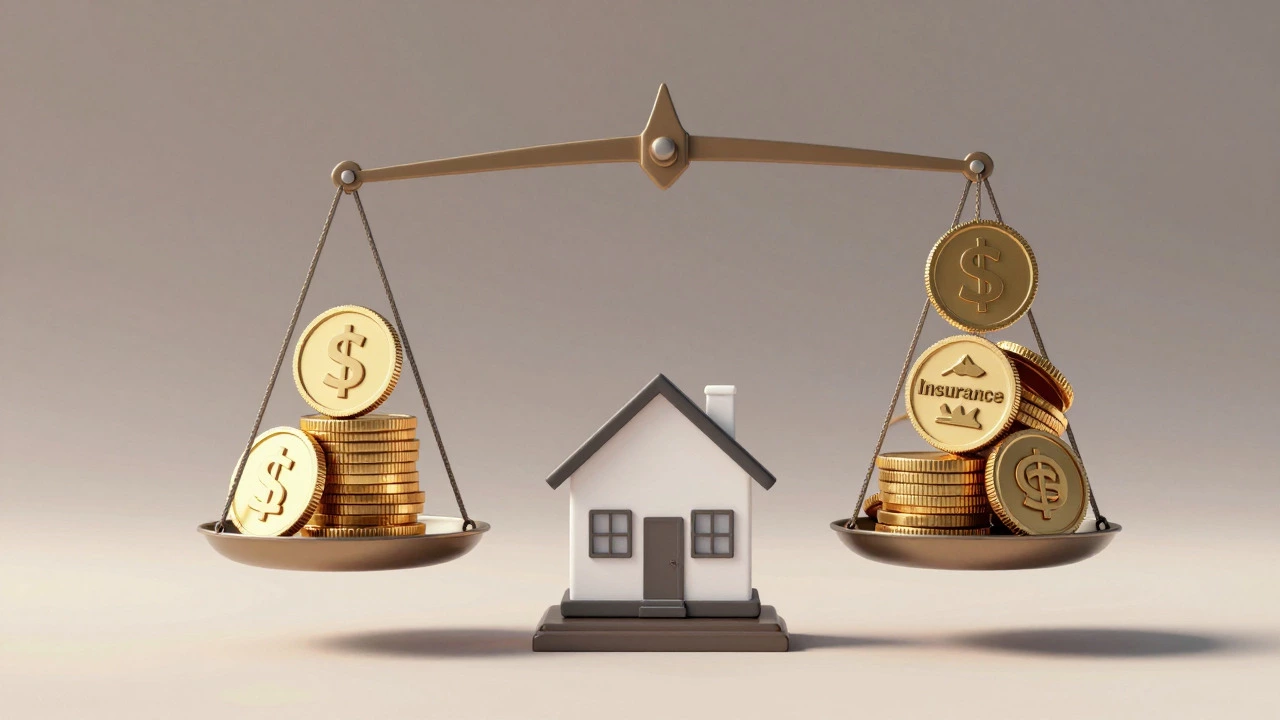
Homeowners insurance, however, is the wildcard. In 2026, Florida remains one of the most expensive states for homeowners insurance due to hurricane risk. Average annual premiums in Florida can exceed $3,500, and in coastal counties, they often surpass $5,000. Some insurers have even pulled out of certain zip codes, forcing residents to rely on the state-backed Citizens Property Insurance Corporation. Texas faces its own risks, including hail storms and occasional hurricanes along the Gulf Coast, but its average premium is significantly lower, hovering around $1,800-$2,200. If you are buying a home in a hurricane-prone zone in Florida, you must budget for substantial insurance costs that can eat up any savings you made on property taxes.
Healthcare and Transportation Costs
Healthcare costs are relatively similar in both states, though Texas may edge out slightly cheaper due to lower general wage levels influencing service pricing. However, access to specialists can be a challenge in rural areas of both states.
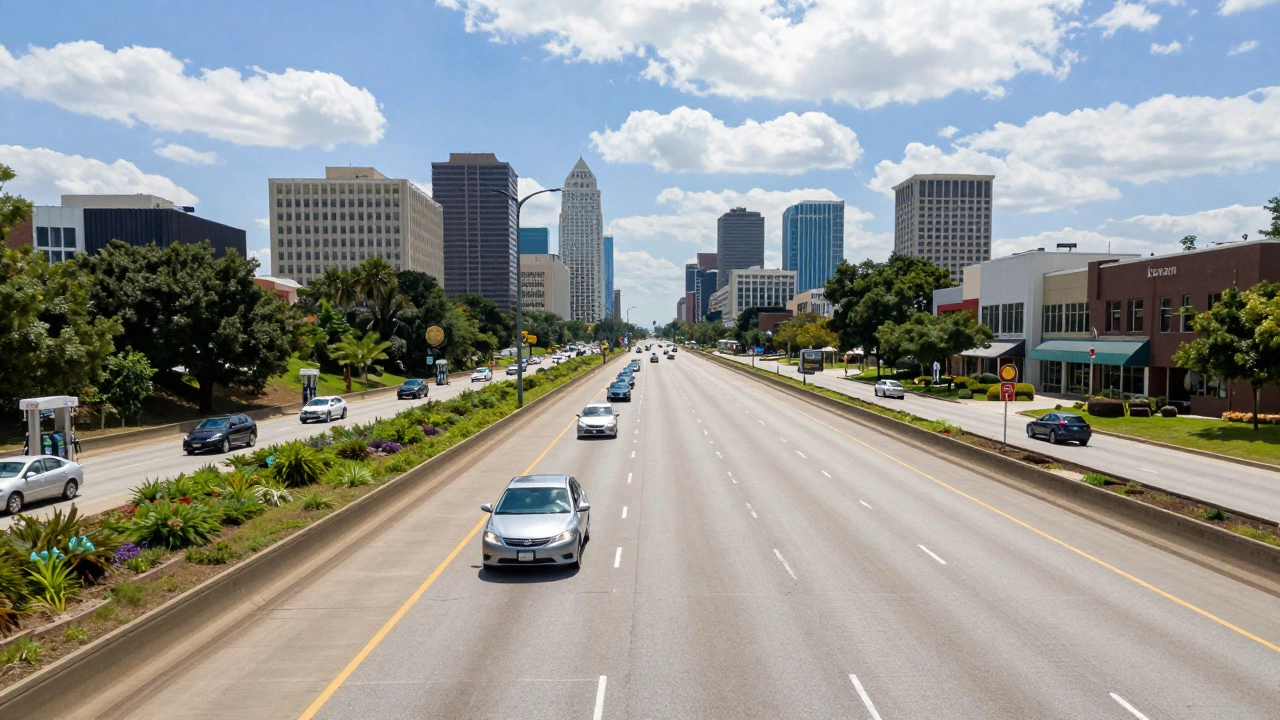
Transportation costs reveal another nuance. Gas prices in Texas are historically lower than in Florida. Additionally, Texas cities like Houston and Dallas have extensive highway systems that facilitate car commuting without heavy congestion fees. Florida, particularly in urban centers like Miami and Tampa, deals with heavier traffic and higher parking costs. Public transit is limited in both states, making a car essential. But if you drive frequently, the lower gas prices in Texas add up to hundreds of dollars saved per year.
Comparison Table: Key Cost Factors in 2026
| Category | Florida | Texas | Winner |
|---|---|---|---|
| Median Home Price | $385,000 | $310,000 | Texas |
| Effective Property Tax Rate | ~1.0% | ~1.9% | Florida |
| Avg. Homeowners Insurance | $3,500/year | $2,000/year | Texas |
| Gallon of Gas (Avg.) | $3.40 | $3.10 | Texas |
| State Income Tax | 0% | 0% | Tie |
| Overall Cost Index | 104 (Above Avg) | 96 (Below Avg) | Texas |
Which State Should You Choose?
So, which is truly cheaper? It depends on your timeline and location preferences. If you are a young professional or family looking for the lowest barrier to entry for homeownership, Texas is generally the winner. Lower home prices, cheaper gas, and lower insurance premiums make the initial move and first few years more affordable. The lack of a property tax cap is a risk, but manageable if you don't expect massive appreciation immediately.
If you are a retiree planning to stay in one home for decades, Florida’s "Save Our Homes" cap becomes incredibly valuable. While you might pay more for the house initially, your property tax bill stays predictable and low. Just be prepared for higher insurance costs, especially if you live near the coast. For those who value lifestyle over pure numbers, Florida’s beaches and cultural amenities might justify the premium. But if your goal is strictly minimizing monthly outflows, Texas offers a broader safety net of affordability across more regions.
Frequently Asked Questions
Is property tax really higher in Texas than Florida?
Yes. Texas has no cap on annual property value increases, and its effective tax rates are typically around 1.8-2.0%. Florida caps annual assessment increases at 3%, resulting in effective rates closer to 1.0%. This makes Florida more stable for long-term owners, even if the initial rate looks lower.
Which state has cheaper healthcare?
Healthcare costs are similar in both states, but Texas tends to be slightly cheaper due to lower average wages influencing service pricing. However, rural areas in both states may have fewer specialists, potentially increasing travel costs for care.
Do I need a car in both states?
Yes. Public transportation is limited in most parts of Florida and Texas. A car is essential for daily life, commuting, and errands. Budget for vehicle maintenance and fuel, noting that gas is cheaper in Texas.
Are utilities more expensive in Florida?
Electricity bills in Florida are consistently high due to year-round air conditioning needs. Texas electricity can be volatile due to deregulation, but average bills are often comparable or slightly lower depending on usage patterns and provider choice.
Which state is better for retirees?
It depends. Florida offers tax stability through the Save Our Homes cap, which benefits long-term owners. Texas offers lower upfront housing costs and cheaper insurance. Retirees should weigh their desired location (coastal vs. inland) against their financial horizon.