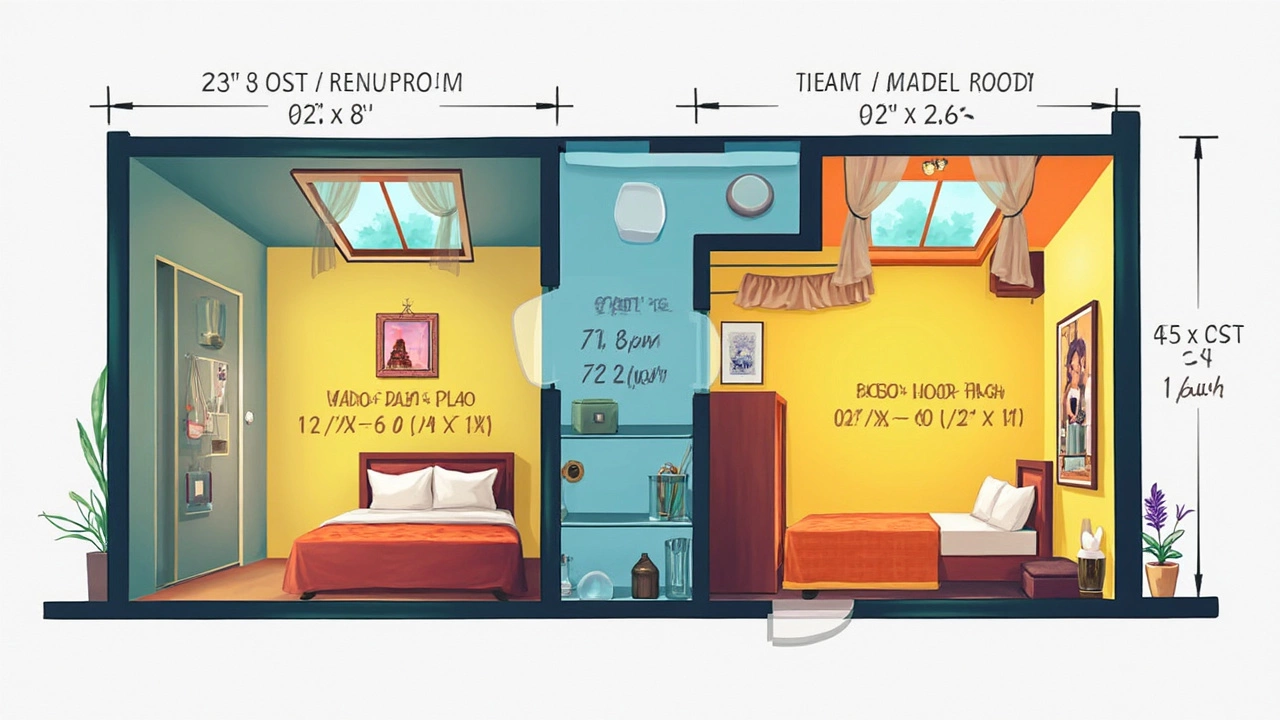
Discover the essential details about legal bedroom sizes in 2BHK apartments. Understand the minimum requirements, factors affecting bedroom dimensions, and why these rules matter. Get tips on dealing with small spaces and learn how to optimize even the tiniest of rooms. This guide is designed to help you navigate real estate choices with confidence.
Legal Bedroom Requirements: What You Must Know Before Renting or Buying
When you see a listing for a legal bedroom, a room that meets minimum safety and habitability standards set by local housing codes. Also known as a lawful sleeping room, it's not just any room with a bed—it’s a space approved for overnight use under the law. Many people assume any room can be called a bedroom, but that’s not true. A room without a window, or one too small to fit a bed and allow safe movement, isn’t legally a bedroom. This matters whether you’re renting, buying, or even adding a tenant to your home.
Local rules vary, but most places require a minimum bedroom size, typically 70 to 80 square feet, with no dimension under 7 feet. Also known as habitable space standard, it ensures you’re not sleeping in a closet. Then there’s the window requirement, a window that opens at least halfway and provides natural light and emergency exit access. Also known as egress window, it’s not optional—it’s life-saving. Without it, a room can’t be legally rented as a bedroom, even if it has a bed, a closet, and a rug. You’ll also find that many cities limit how many people can sleep in a home based on the number of legal bedrooms. Baltimore County, for example, allows two people per bedroom plus one extra. Overcrowding can lead to fines, eviction, or even shutdowns.
These rules aren’t just paperwork—they’re tied to safety, health, and fairness. Landlords who label storage rooms or hallways as bedrooms are breaking the law. Tenants who sign leases for illegal bedrooms risk being trapped in unsafe conditions. Buyers might pay extra for a "3-bedroom" home only to find out one room doesn’t meet code, lowering resale value. And if you’re thinking of adding a roommate or renting out a basement, you need to know what counts as a legal bedroom before you start.
What you’ll find below are real cases and rules from across the U.S. and beyond—how Virginia handles occupancy limits, why Baltimore County enforces bedroom-based caps, and what happens when landlords ignore the basics. These aren’t theoretical guidelines. They’re enforced laws that affect your wallet, your safety, and your right to a decent place to live. Whether you’re renting your first apartment or buying your first home, knowing the legal bedroom requirements keeps you from getting fooled, fined, or stuck.