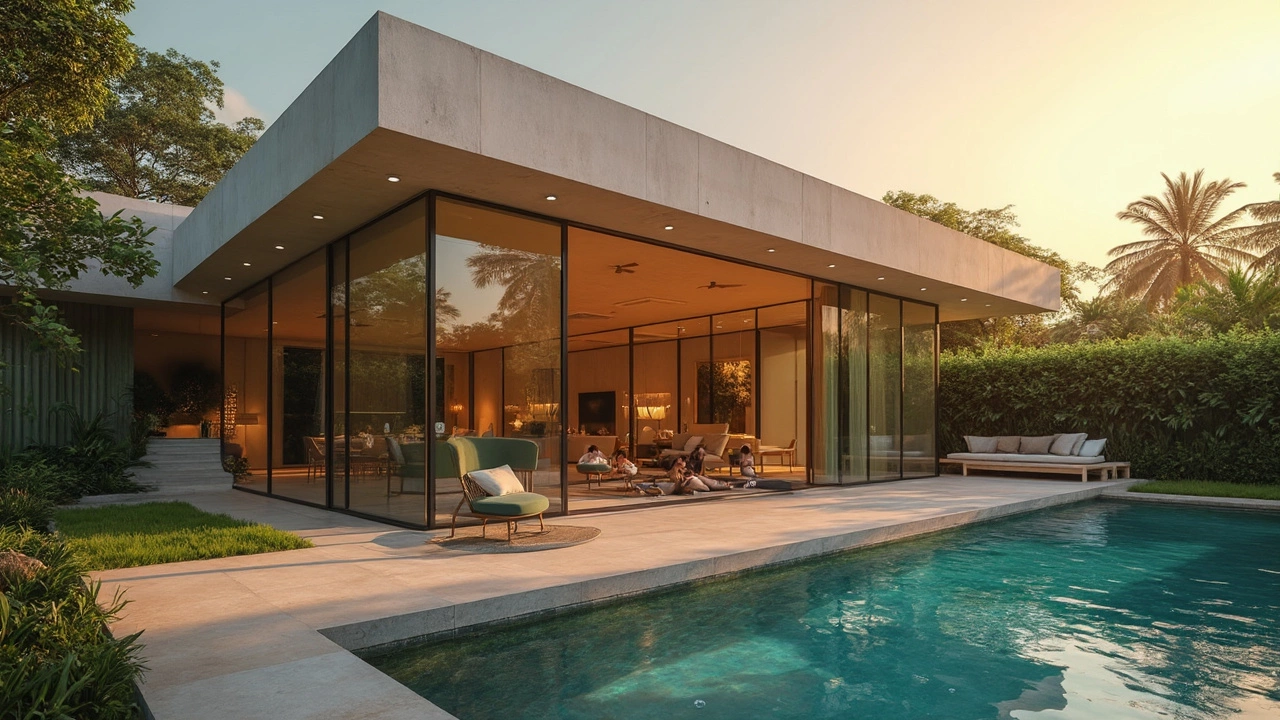
Curious about what actually makes a villa 'modern'? This article cuts through the buzzwords and details the features, design choices, and lifestyle perks that define modern villas in today's real estate market. Discover how these homes have shifted from classical showpieces to showcases of smart tech and open spaces. Get insider tips on spotting real quality, not just surface trends. It’s everything you need to know if you're thinking about buying or building a true modern villa.
Smart Homes: What They Are, How They Work, and What You Really Need to Know
When you hear smart homes, homes equipped with internet-connected devices that automate tasks like lighting, security, and climate control. Also known as connected homes, they’re not just about fancy gadgets—they’re about making daily life simpler, safer, and more efficient. You don’t need a sci-fi setup to benefit. A smart thermostat that learns your schedule, a doorbell camera you can check from your phone, or lights that turn on when you walk in—that’s the real stuff.
These systems rely on home automation, the use of technology to control household systems without manual input. It’s not magic—it’s sensors, apps, and Wi-Fi working together. You can start small: a smart plug lets you turn off a lamp remotely. Go bigger: a full system that locks doors, adjusts heat, and alerts you if a window opens while you’re away. The key is knowing what actually solves your problems, not just what looks cool.
Smart devices, individual tools like thermostats, cameras, speakers, and locks that connect to a central network are the building blocks. But they don’t all play nice together. Some need Amazon Alexa, others Google Home, and a few work best on their own apps. You don’t need every device on the market. Pick one or two that fix your biggest headaches—like forgetting to lock up or paying too much for heating—and build from there.
People often think smart homes are for tech lovers or the rich. Not true. The average family in Mumbai uses them just to save time. Imagine setting your AC to cool down before you get home from work, or getting a notification if your kid arrives home late. That’s not luxury—it’s practical. And it’s not about voice commands. It’s about peace of mind.
Security is the biggest driver. A smart lock means no more hiding keys under the mat. A motion sensor camera tells you if someone’s loitering outside. You don’t need a full surveillance system. Just one good camera and a reliable app can change how safe you feel. And if you rent? Many smart devices are portable. Take them with you when you move.
There’s also money involved. Smart thermostats can cut heating bills by 10-20%. Smart lighting uses less power. You don’t need to upgrade everything at once. Start with what saves you cash, then add convenience later. And yes, it works in apartments too. You don’t need to own the building to install a smart doorbell or a leak detector under your sink.
What you won’t find in most guides? The real trade-offs. These systems need Wi-Fi. If your signal drops, they stop working. Some cost money every year for cloud storage or subscriptions. And not every device is secure—some have been hacked because manufacturers skipped basic safety checks. That’s why it’s smart to pick well-known brands, update firmware regularly, and use strong passwords.
There’s no single right way to build a smart home. It’s not about having the most gadgets. It’s about having the right ones for your life. Whether you’re in a small flat in Mulund or a larger house, the goal is the same: make things easier without making things complicated.
Below, you’ll find real stories and breakdowns of what actually works—what people are using, what went wrong, and how to avoid the traps. No fluff. Just what you need to know before you buy, install, or upgrade.