Is 1000 Square Feet Small for 2 People? The Truth About 2BHK Living
Is 1000 Sq Ft Enough? Lifestyle Compatibility Calculator
Use this calculator to determine if a 1000-square-foot 2BHK apartment fits your specific lifestyle needs based on work habits, entertainment preferences, and future plans.
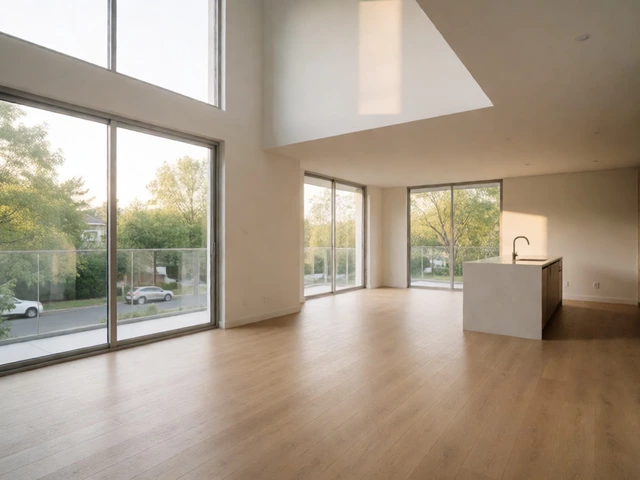
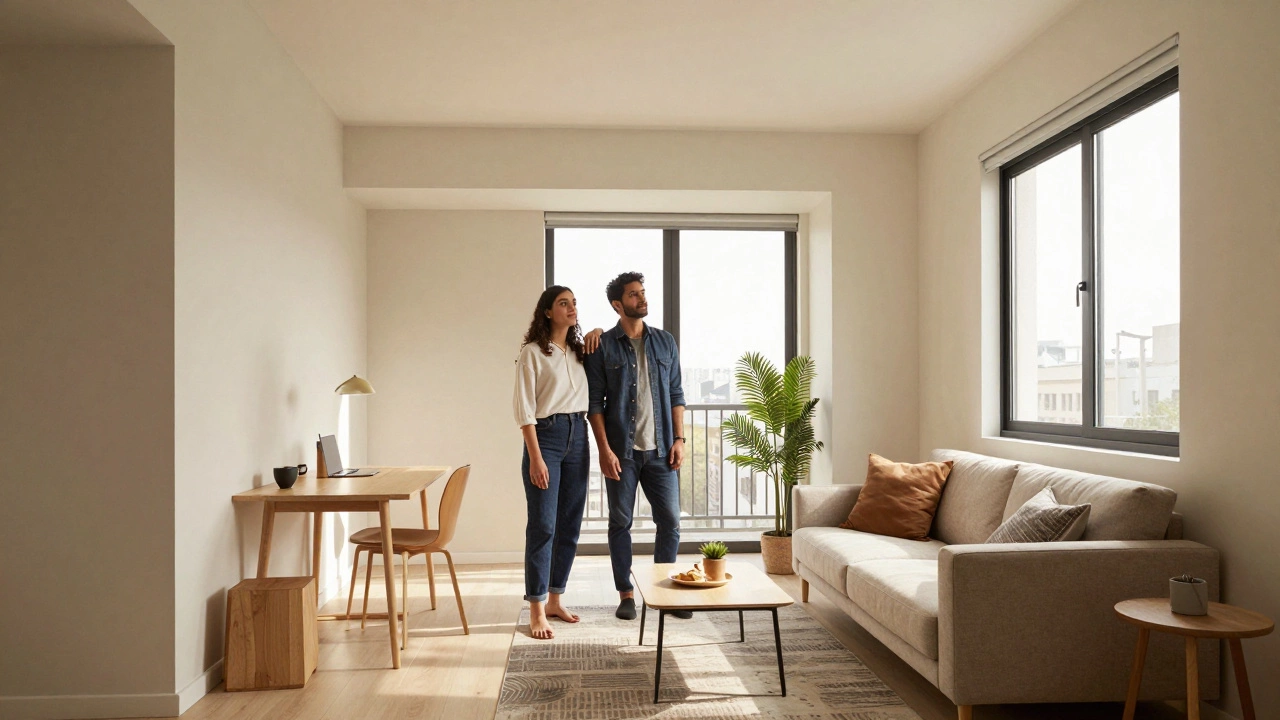
You walk into a listing for a 1000-square-foot apartment that is a residential unit typically featuring two bedrooms and one or two bathrooms. It’s advertised as perfect for couples. You stand in the middle of the living room, trying to visualize your life there. Does it feel cozy, or does it feel like you’re moving into a shoebox?
This is the exact question thousands of homebuyers and renters ask every single day. With housing prices skyrocketing in major cities, the definition of "enough space" has shifted dramatically. In 2026, we aren't just looking at square footage; we are looking at lifestyle compatibility. For two people, 1000 square feet is not objectively "small" in terms of survival, but it is tight in terms of comfort if you don’t plan carefully.
Living with a partner changes the math completely. You aren't just sharing a bed; you're sharing storage, work zones, and mental headspace. Let's break down whether this size works for you, what the common pitfalls are, and how to make it work without feeling claustrophobic.
The Math Behind the Comfort Zone
To understand if 1000 square feet is enough, we need to look at the numbers. The average American household size has dropped to roughly 2.5 people, but the average new home built today is often over 2,000 square feet. However, urban apartments tell a different story. In dense markets like Auckland, London, or New York, a 1000-square-foot unit is actually considered spacious for a couple.
Let’s do a quick breakdown of how that space divides up in a typical 2BHK layout that is an apartment configuration with Two Bedrooms, Hall (living area), and Kitchen:
- Master Bedroom: Approximately 12x12 feet (144 sq ft). Enough for a queen bed, two nightstands, and a dresser.
- Second Bedroom: Approximately 10x10 feet (100 sq ft). This usually serves as an office, guest room, or storage closet.
- Kitchen: Roughly 8x10 feet (80 sq ft). Standard galley or L-shape.
- Bathrooms: Two bathrooms taking up about 60-70 square feet combined.
- Living/Dining Area: The remaining 600+ square feet. This includes hallways and circulation space.
On paper, this looks fine. But here is the catch: those numbers assume perfect efficiency. In reality, doors swing open, baseboards take up space, and furniture has depth. A standard sofa is 3 feet deep. If you put that in a 15-foot wide living room, you’ve lost 6 feet of width instantly. That’s where the "cramped" feeling starts.
The Lifestyle Factor: Who Are You?
Square footage doesn't care about your hobbies, but your happiness does. Whether 1000 square feet feels small depends entirely on how you live. Here are three common couple profiles and how they fare in this space.
The Minimalist Remote Workers
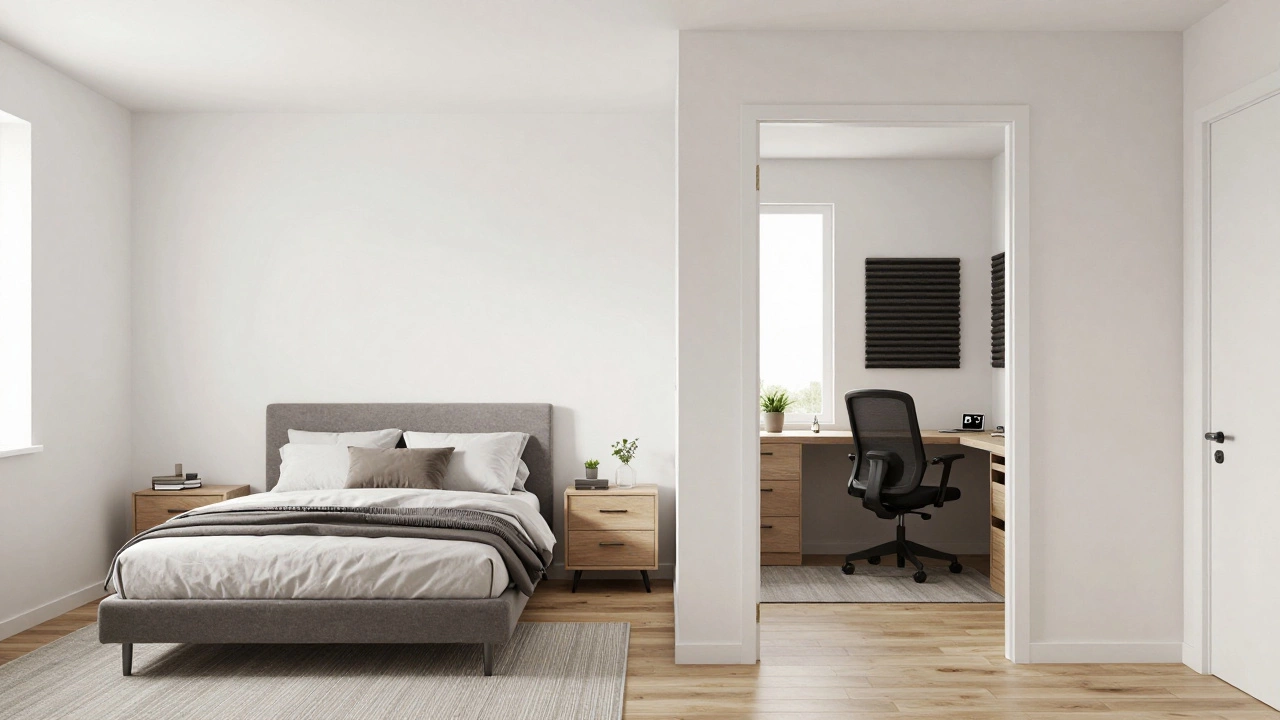
If you both work from home, 1000 square feet can be challenging. You need separate zones to avoid video call chaos. If you try to share one desk, you’ll drive each other crazy within a week. However, if you use the second bedroom strictly as an office and keep the main bedroom for sleeping only, it works. The key is acoustic separation. Can you hear your partner typing when you’re on a Zoom call? If yes, the space feels smaller than it is because your mental privacy is invaded.
The Entertainers
If your idea of Friday night is hosting six friends for dinner, 1000 square feet is too small. You will spend half the evening in the kitchen while the other half is crammed into the living room. The flow gets blocked. Guests bump into each other. For entertainers, this size forces you to outsource socializing to restaurants or bars, which might not be your vibe.
The Commuter Couple
If you leave the house by 8 AM and don’t return until 7 PM, 1000 square feet is luxurious. You barely use the space during the day. At night, you sleep, watch TV, and eat. The second bedroom becomes a massive walk-in closet or a laundry/storage haven. For this profile, the extra space is wasted money. You could easily downsize to 800 square feet and save thousands annually.
Storage: The Silent Space Killer
The biggest reason 1000-square-foot apartments feel small isn't the floor area-it’s the lack of vertical storage. Most modern 2BHK units come with shallow closets. If you have two people with full wardrobes, shoes, seasonal gear, and hobby equipment, you will quickly overflow into the living areas.
When clutter hits the floor, the brain perceives the room as smaller. This is a psychological phenomenon known as visual noise. To combat this, you need to think vertically. Floor-to-ceiling shelving, under-bed storage bins, and over-the-door organizers are not just aesthetic choices; they are structural necessities for small-space living.
Consider this rule of thumb: For every 100 square feet of living space, you need at least 10 cubic feet of dedicated storage per person. In a 1000-square-foot unit, that means 200 cubic feet of total storage. Measure your current belongings. If you can’t fit them into boxes that equal that volume, you need to declutter before you move in.
| Lifestyle Type | Verdict on 1000 Sq Ft | Key Challenge | Best Use of 2nd Bedroom |
|---|---|---|---|
| Minimalists | Spacious | Maintaining low clutter | Guest Room / Gym |
| Remote Workers | Tight | Acoustic privacy | Dedicated Office |
| Entertainers | Too Small | Crowding guests | Wine Storage / Bar |
| Parents (Future) | Inadequate | No room for child | N/A (Need 3BR) |
Furniture Strategy: Scale Matters
One mistake people make is bringing their old furniture into a smaller space. A king-size bed in a 12x12 bedroom leaves almost no walking room. You end up tripping over the footboard. Switch to a queen or even a double bed. The difference in mattress size is negligible for sleep quality, but the gain in floor space is massive.
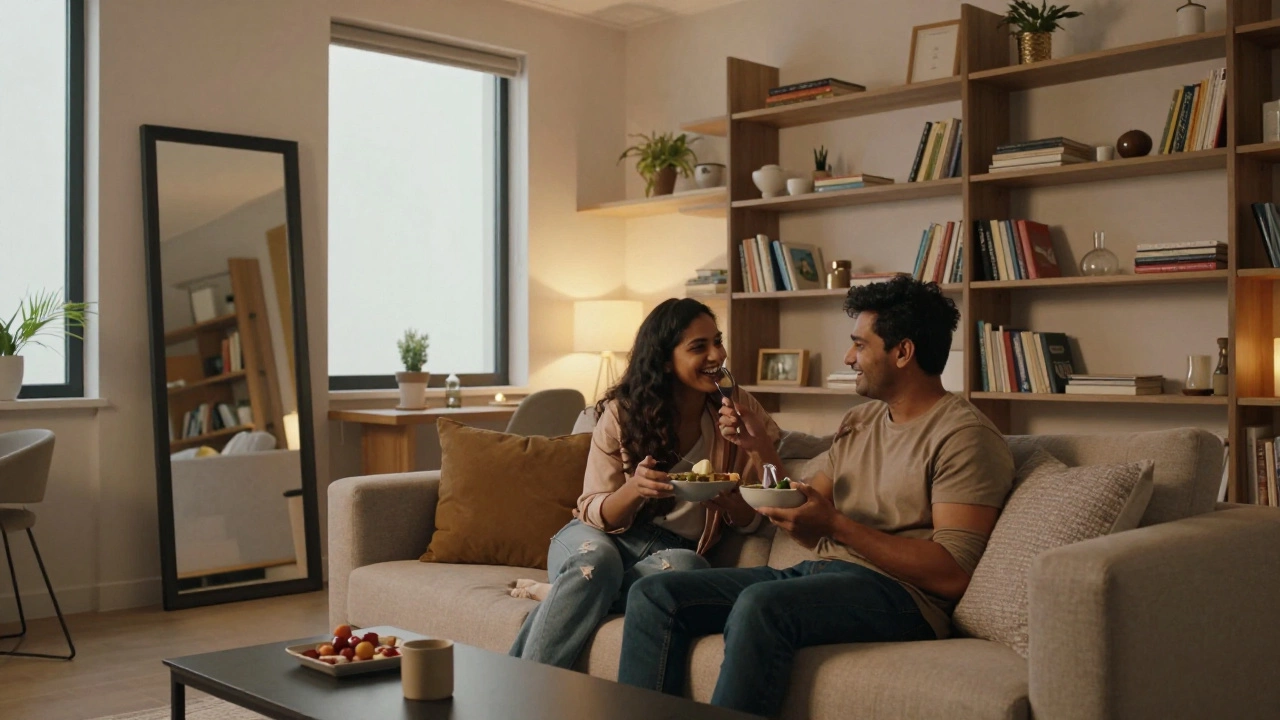
In the living room, avoid bulky sectional sofas. They anchor the room and block sightlines. Opt for a streamlined two-seater sofa with slim-arm chairs. Lifted furniture-sofas and beds with legs visible underneath-creates an illusion of more floor space because your eye can travel further into the room. Dark, heavy furniture absorbs light and makes rooms feel cave-like. Lighter woods and neutral fabrics reflect light, expanding the perceived boundaries.
Mirrors are another cheap hack. Placing a large mirror opposite a window doubles the natural light and visually extends the wall. It tricks the brain into thinking the room continues beyond the glass. It’s not magic, but it’s effective psychology.
The Financial Reality Check
In many global cities, including Auckland, the cost per square foot has risen sharply. Paying a premium for 1500 square feet when you only need 1000 is a financial leak. Let’s look at the opportunity cost.
If a 1000-square-foot apartment costs $2,500 per month and a 1500-square-foot one costs $3,500, the difference is $1,000. Over five years, that’s $60,000. Could that money go toward investments, travel, or early retirement? For many young couples, the answer is yes. Choosing a smaller home allows you to optimize your location. You might get a better neighborhood, shorter commute, or higher-quality finishes in a smaller unit than in a larger, distant one.
However, resale value matters. In some markets, 2-bedroom units hold value better than 1-bedrooms because they appeal to a wider range of buyers (couples, investors, small families). A 1000-square-foot 2BHK is a sweet spot for liquidity. It’s easy to rent out later if you decide to move abroad or upgrade. A tiny studio might be harder to offload quickly.
Future-Proofing Your Decision
You need to ask yourself: Where will we be in five years? If you plan to have children soon, 1000 square feet is likely insufficient. Even with a crib, the master bedroom becomes crowded, and there’s no safe play area. You’d be renting out the second bedroom to a nanny or using it as a nursery, leaving zero private space for the parents.
If you’re planning to age in place, consider accessibility. Narrow hallways in compact 2BHK layouts can be difficult for mobility aids. Ensure the bathroom is spacious enough for a future wheelchair turn-around radius (usually 60 inches). If the current layout is tight, factor in renovation costs.
For now, though, if you’re a child-free couple focused on career and experiences, 1000 square feet offers freedom. Less space means less cleaning, lower utility bills, and less maintenance. You reclaim time. Time is the ultimate luxury, not square footage.
Is 1000 square feet enough for a couple who works from home?
It can be, but it requires strict zoning. You must dedicate the second bedroom entirely to work duties to maintain mental separation between "home" and "office." Without soundproofing or clear boundaries, the lack of physical distance can lead to relationship stress and reduced productivity.
What is the ideal bedroom size for two people in a 1000 sq ft apartment?
Aim for a minimum of 12x12 feet (144 sq ft) for the master bedroom. This allows for a queen-sized bed, two nightstands, and a wardrobe without blocking movement paths. Anything smaller than 10x10 will feel cramped once you add necessary furniture.
How can I make a 1000 square foot apartment feel bigger?
Use light colors on walls and ceilings to reflect light. Choose furniture with exposed legs to show more floor. Install mirrors opposite windows. Keep clutter off surfaces by using vertical storage solutions like tall bookshelves and under-bed bins. Consistent lighting throughout the space also prevents dark corners that shrink perception.
Is a 2BHK better than a 1BHK for couples in 1000 sq ft?
Yes, generally. A 2BHK provides flexibility. The second room can serve as an office, gym, library, or guest room. In a 1BHK of the same size, the bedroom would be significantly smaller, and you’d lose the ability to separate work/life zones effectively. The 2BHK layout offers better long-term adaptability.
Will 1000 square feet be too small if we have pets?
Not necessarily. Small dogs and cats thrive in 1000 square feet. Large dogs may struggle if they cannot run freely indoors. The key is managing pet hair and toys to prevent clutter. Ensure you have easy access to outdoor parks nearby so the pet can expend energy outside the home.