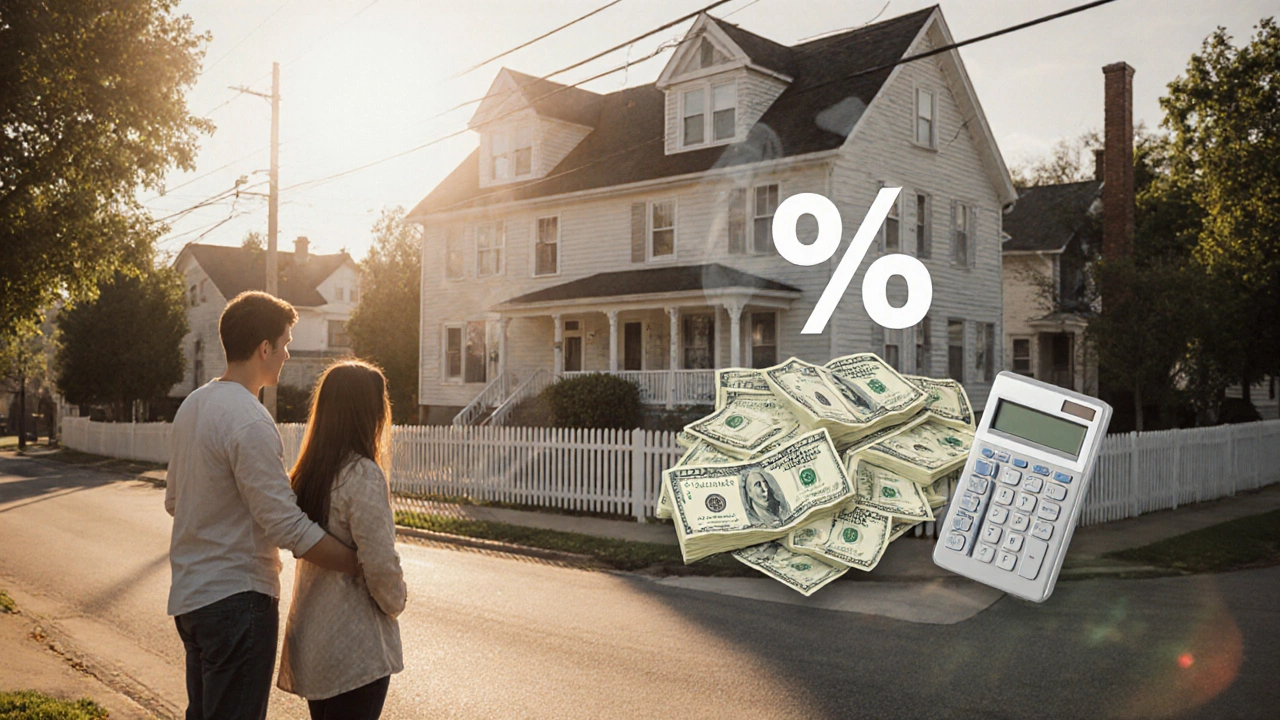
Explore the real downsides of purchasing a home, from upfront costs and mortgage debt to maintenance, market risk, and hidden expenses.
Homeownership Risks: What No One Tells You Before You Buy
When you think about homeownership, the act of owning and maintaining a residential property as your primary residence. Also known as house ownership, it’s often sold as the ultimate financial win. But behind the glossy brochures and TV ads are real, costly problems most first-time buyers never see coming.
One of the biggest mortgage risks, the chance that loan payments become unaffordable due to interest rate changes, job loss, or unexpected expenses isn’t just rising rates—it’s how little buffer most people have. A 2023 Federal Reserve study found that 40% of U.S. homeowners couldn’t cover a $400 emergency without borrowing. That’s not a safety net—that’s a tripwire. If your car breaks down or your water heater dies, and you’re already stretched thin on payments, you’re one missed paycheck away from trouble. And if you lose your job? Foreclosure doesn’t wait for a resume update.
Then there’s home maintenance costs, the ongoing, often unpredictable expenses required to keep a house functioning and safe. Realtors won’t tell you that a 15-year-old roof can cost $10,000 to replace. A failing furnace? Another $5,000. Mold remediation? $3,000 minimum. These aren’t rare events—they’re normal. And they hit when you least expect them. Most renters never face these bills. But as a homeowner, you’re the one paying. And if you didn’t budget for them? You’re stuck with debt, or worse, a dangerous living situation.
And let’s not forget real estate market volatility, the unpredictable swings in property values driven by interest rates, local demand, and economic shifts. Just because your neighbor sold for $500,000 doesn’t mean you can. Markets crash. Buyers vanish. Interest rates spike. And if you need to sell fast—because of a job move, divorce, or medical emergency—you might lose tens of thousands. Unlike stocks, you can’t just wait it out. A house is not an investment you can ignore. It’s a responsibility that demands cash, time, and constant attention.
People talk about equity like it’s magic money. But equity is only real if you can access it—and if the market doesn’t collapse before you need it. Many homeowners think they’re building wealth. In reality, they’re just paying for a roof over their head while drowning in repairs, taxes, and insurance hikes. The dream isn’t broken. It’s just more expensive—and riskier—than they were told.
Below, you’ll find real stories and hard facts from people who’ve been there. Not the glossy success stories. The ones that show what actually goes wrong—and how to avoid it.