What Are the Cons of Commercial Real Estate?
Commercial Real Estate Cash Flow Calculator
Understand the true financial impact of commercial real estate investments. Calculate monthly cash flow, vacancy impacts, and potential risks before investing.
Cash Flow Analysis
ResultKey Risk Factors
Commercial real estate looks glamorous on paper. High rents, long-term leases, the idea of passive income-it’s easy to see why people jump in. But behind the glossy brochures and glossy ROI charts are real, messy problems that can sink returns and stress out even seasoned investors. If you’re thinking about buying a retail strip, office tower, or warehouse, here’s what no one tells you upfront.
Illiquidity: You Can’t Just Sell It When You Need Cash
Unlike stocks or even residential homes, commercial properties don’t sell quickly. If you need $500,000 next month for an emergency, you can’t just list a 10,000-square-foot warehouse on a portal and expect a buyer in two weeks. The market for commercial assets moves slowly. Buyers are few, due diligence is deep, and financing is harder to secure. In Auckland, a typical commercial sale takes 4 to 8 months from listing to settlement. That’s not a bug-it’s the system. If your cash flow tightens because a tenant leaves or interest rates spike, you might be stuck holding an asset that drains money while you wait for a buyer.
High Upfront Costs and Ongoing Expenses
Yes, you can get a loan for commercial property, but the down payment isn’t 10% like it is for a house. Most lenders require 30% to 40% down. That means for a $2 million office building, you need $600,000 to $800,000 in cash just to get in the door. And that’s only the start. Property taxes on commercial buildings are often higher than residential. Insurance costs are steep-especially for buildings with high foot traffic or hazardous operations. Then there’s maintenance: HVAC systems in large buildings cost $15,000 to $40,000 to replace. Roof repairs? $50,000 minimum. You’re not just an investor-you’re a property manager, mechanic, and accountant rolled into one.
Tenant Risk: One Vacancy Can Crush Your Cash Flow
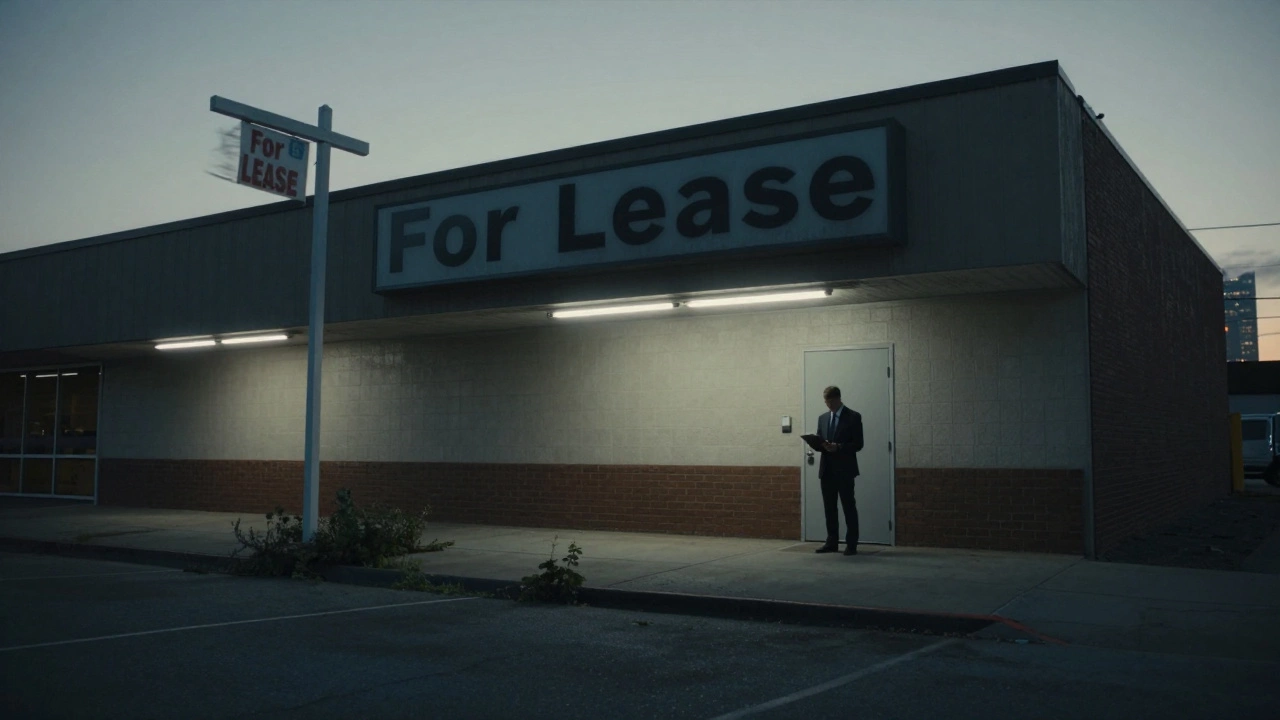
A 10-unit apartment building can lose one tenant and still bring in 90% of its income. A single-tenant retail center? Lose that one tenant, and you lose 100%. That’s the brutal math of commercial real estate. Anchor tenants like supermarkets or pharmacies might sign 10-year leases, but if they walk away due to bankruptcy or relocation, finding a replacement isn’t easy. In 2024, Auckland saw a 17% increase in retail vacancies in suburban shopping centers. Tenants now demand flexible terms, fit-outs, and rent abatements. You might sign a lease at $35/sq.m, but if you’re vacant for 8 months, you’ve lost $280,000 in potential income. And during that time, your mortgage doesn’t pause.
Market Sensitivity: Economic Downturns Hit Hard
Commercial real estate doesn’t just react to interest rates-it reacts to the entire economy. When unemployment rises, businesses cut back. When inflation spikes, companies delay expansion. When remote work sticks around (and it has), office demand plummets. In 2023, Class B office spaces in Auckland saw rental rates drop by 14% year-over-year. Retailers slashed store footprints. Warehouses? They’re still hot, but only if they’re near ports or distribution hubs. If your property is in a less strategic location, you’re out of luck. Unlike housing, which has steady demand from families, commercial properties depend entirely on business health. One recession, and your asset can lose 30% of its value overnight.

Regulatory Hurdles: Zoning, Permits, and Compliance Nightmares
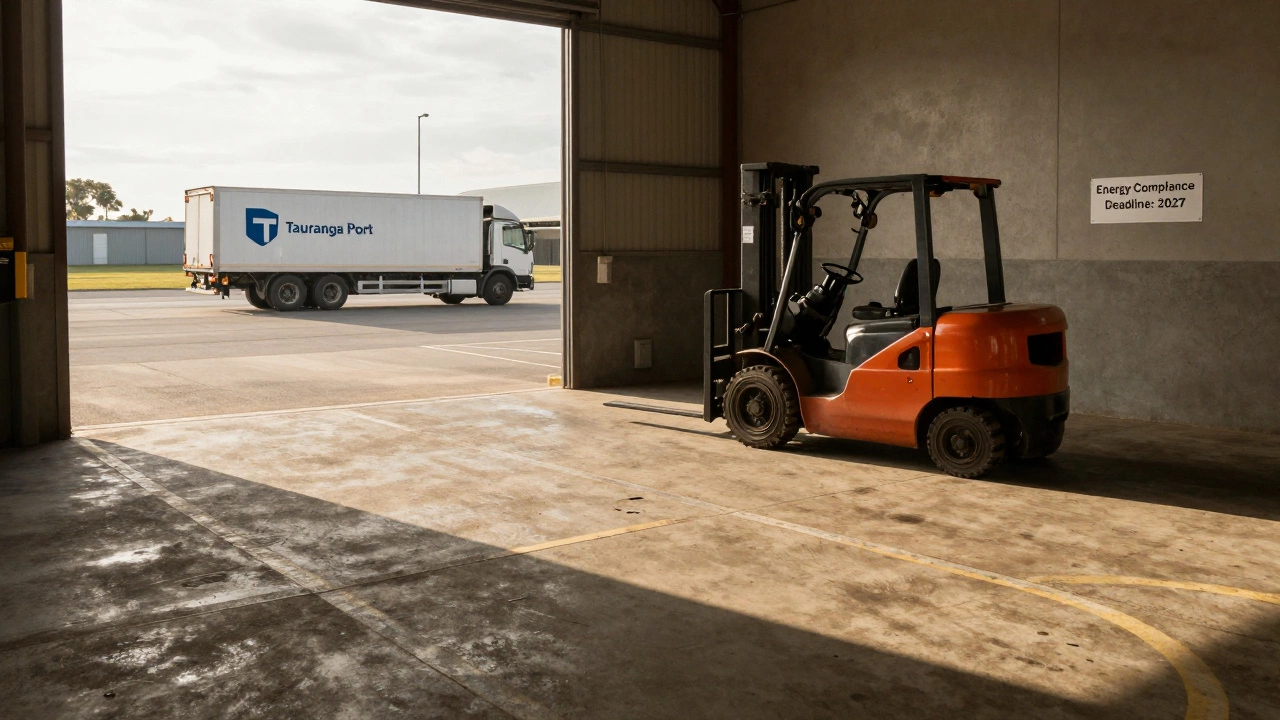
You think buying a house means dealing with council rules? Try commercial. Zoning laws can change overnight. A property zoned for retail might suddenly be reclassified to mixed-use, forcing you to upgrade fire exits, add elevators, or install ADA-compliant restrooms-costing tens of thousands. In Auckland, new environmental regulations in 2025 require all commercial buildings over 1,000 sq.m to meet stricter energy efficiency standards by 2027. That means retrofits. That means costs. That means delays. And if you’re not in compliance? Fines. Penalties. Even forced closures. You can’t just ignore this stuff. One missed inspection can lock you out of renting the space for months.
Management Overhead: You’re Not Just an Investor
Residential landlords deal with leaky taps and noisy neighbors. Commercial landlords deal with legal disputes over lease terms, insurance claims after a fire, construction delays, and tenant lawsuits. You can hire a property manager, but they charge 5% to 8% of gross rent. That’s $50,000 a year on a $1 million annual income stream. And even then, you’re still responsible for major decisions: when to renovate, who to lease to, how to handle a tenant who stops paying. There’s no 24/7 help line. No automated system. Just you, your accountant, and a pile of legal documents you barely understand.
Dependence on Economic Trends You Can’t Control
Let’s say you bought a warehouse near the Port of Auckland because logistics was booming. Good call. But then global shipping slows down because of a trade war. Or automation reduces the need for human labor in distribution centers. Or a new port opens in Tauranga, shifting freight flows. Suddenly, your asset isn’t prime anymore. You didn’t make a bad choice-you just got caught in a trend you couldn’t predict. Commercial real estate is a bet on the economy, on supply chains, on consumer behavior. And those things are volatile. You’re not buying bricks and mortar. You’re buying a forecast. And forecasts are wrong more often than they’re right.
Capital Gains Aren’t Guaranteed
People assume commercial property always goes up. It doesn’t. In New Zealand, commercial property prices rose sharply from 2020 to 2022. But since 2023, growth has flatlined. In some areas, prices have dropped. The median price for a retail unit in Auckland fell 9% in 2024. If you bought at the peak, you’re underwater. And even if you sell at a profit, capital gains tax is higher than on residential property. You don’t get the main home exemption. You pay income tax on the full gain. That means you might net less than you thought-even if you "made money."
It’s Not Passive Income-It’s Active Stress
The biggest myth? That commercial real estate is "passive." It’s not. You’re managing contracts, dealing with contractors, watching interest rates, reading economic reports, and praying your tenant doesn’t go bankrupt. It’s a full-time job with no salary. And if you’re not on top of it, the property becomes a liability instead of an asset. Many investors think they’re building wealth. In reality, they’re building a headache with a mortgage attached.
Final Thought: Know Your Exit Strategy
Before you sign anything, ask yourself: What happens if I need out? Can I sell? How long will it take? What will it cost? Who will buy? If you can’t answer those questions clearly, you’re not ready. Commercial real estate isn’t a get-rich-quick scheme. It’s a long, complex, high-stakes game. And the house always has an edge.
Is commercial real estate a good investment for beginners?
Generally, no. Commercial real estate requires deep financial reserves, industry knowledge, and the ability to handle long vacancies and high maintenance costs. Beginners often underestimate the time, stress, and capital needed. Starting with residential rental properties or REITs is a safer way to learn the market.
Can you lose money on commercial property?
Absolutely. Many investors lose money when they overpay, underestimate operating costs, or get stuck with a vacant property during a downturn. In 2024, over 30% of commercial properties in Auckland’s secondary markets sold below purchase price. Losses aren’t rare-they’re common if you don’t do your homework.
What’s the biggest mistake people make when buying commercial property?
Focusing only on the rental yield without looking at vacancy risk, tenant quality, or future zoning changes. A 7% yield sounds great until you realize the tenant left two years ago, the building needs $120,000 in repairs, and the council just reclassified the zone to restrict your use.
Are there tax disadvantages to owning commercial property?
Yes. Unlike residential properties, commercial real estate doesn’t qualify for the main home exemption. Capital gains are taxed as income. You also can’t claim the same level of interest deductions in some cases. And if you use the property partially for personal use, you may lose deductions entirely. Always consult a tax professional familiar with commercial asset rules.
How do interest rate hikes affect commercial real estate?
They hit hard. Commercial loans are often variable-rate or have shorter fixed terms than residential mortgages. When rates rise, repayments jump. Many investors who bought at low rates in 2021 saw their monthly payments increase by 40% or more by 2025. If rent doesn’t rise to match, cash flow turns negative. That’s when defaults and forced sales happen.