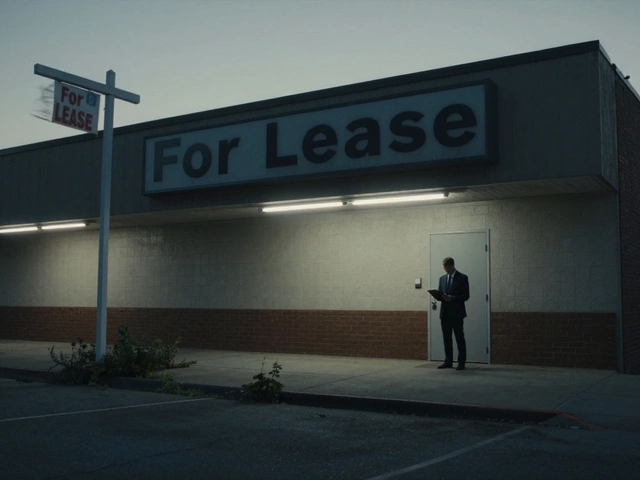
The rule of three commercials is a practical strategy in selling commercial property that helps sellers set competitive pricing and avoid mistakes. This article explains what the rule means, why it works, and how successful agents use it to speed up deals. Expect real-world advice, common pitfalls, and useful tips for anyone listing or considering buying commercial property. If you want to sell smarter, understanding this rule is crucial. This guide goes straight to what matters—no fluff.
Selling Commercial Real Estate: What You Need to Know Before You List
When you're selling commercial real estate, the process of transferring ownership of a property used for business purposes, like offices, retail spaces, or industrial buildings. Also known as commercial property sale, it's not like selling a house—your buyer isn't looking for a cozy kitchen or a big backyard. They're calculating cash flow, lease terms, and long-term returns. This isn't a quick flip. It’s a strategic move that requires knowing your numbers, your tenant, and your market.
One of the biggest mistakes people make is assuming their property is worth what they paid for it—or what their neighbor’s place sold for. Value in commercial real estate comes from income potential, the steady rent a property generates from its tenants, not square footage alone. A small office building with a long-term lease from a stable business like a pharmacy or bank can be worth more than a larger space with empty units. You also need to understand property valuation, how experts determine a commercial property’s market worth using income, comparable sales, and replacement cost. It’s not guesswork—it’s math based on real data.
Who buys these spaces? Usually investors, not families. They care about commercial tenant lease, the legal agreement that outlines rent, duration, and responsibilities between landlord and business tenant. A five-year lease with annual increases? That’s gold. A month-to-month tenant who might leave next month? That’s a red flag. Buyers look at the lease’s expiration date, the tenant’s credit history, and whether rent is below or above market. If your tenant is a well-known brand, that alone can boost your sale price.
Don’t forget taxes, maintenance, and zoning. A property zoned for retail might not be allowed to host a warehouse, even if the building could physically handle it. Local rules change fast, and buyers will check. Hidden costs like outdated HVAC systems or failing parking lots can kill a deal. You don’t need to fix everything—but you do need to be honest about what’s broken.
There’s no magic formula, but there are clear steps: know your income, clean up your records, get a professional appraisal, and talk to buyers who actually understand commercial spaces. The right buyer isn’t looking for a house—they’re looking for a reliable asset. If you can show them why your property fits that picture, you’re already ahead of 80% of sellers.
Below, you’ll find real examples, common pitfalls, and proven strategies from people who’ve sold commercial properties in markets like Mumbai and beyond. No fluff. Just what works.