Villa vs Townhouse: Key Differences Explained
Villa vs Townhouse Mortgage Calculator
Villa Purchase
Townhouse Purchase
Mortgage Comparison
Villa
Monthly Payment: $0
Total Interest Paid: $0
HOA Fees (Monthly): +$150-$300
Townhouse
Monthly Payment: $0
Total Interest Paid: $0
HOA Fees (Monthly): +$150-$300
Key Difference
Villa payments are approximately $0 higher per month
Real Estate Insights
Based on Auckland market data: Townhouses typically cost 30-40% less than villas with similar features. HOA fees for townhouses ($150-$300/month) are not included in mortgage calculations but represent a significant ongoing cost.
Quick Takeaways
- Villas are stand‑alone homes with larger plots and more privacy.
- Townhouses share walls, often come with HOA fees, and suit a low‑maintenance lifestyle.
- Price gaps vary by region; in Auckland a villa can cost up to 1.5‑times a comparable townhouse.
- Financing, resale potential and lifestyle needs should guide your choice.
What is a Villa?
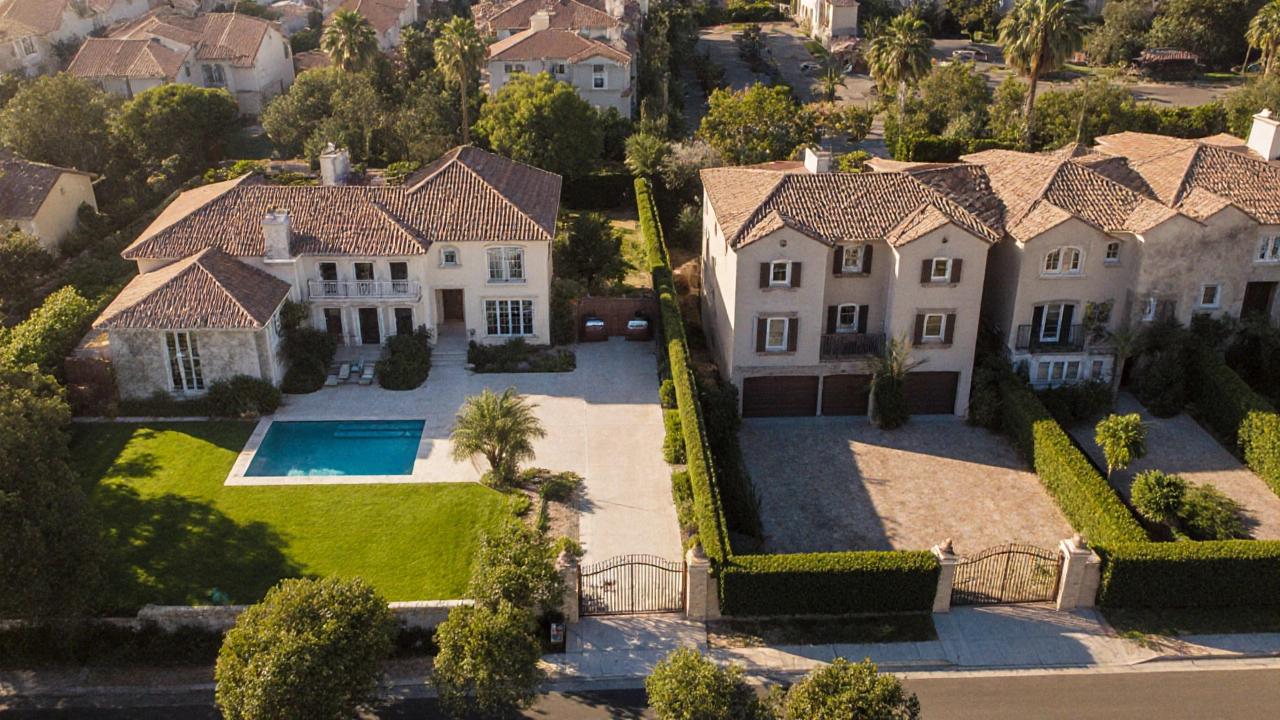
A villa is a detached residential building, typically set on a sizable private plot, offering multiple bedrooms, a garden, and often luxury finishes. In New Zealand the term is used for upscale homes in suburban or semi‑rural settings, ranging from 2,500sqft to 5,000sqft+. Because the structure stands alone, owners enjoy full control over the exterior, from landscaping to extensions.
Villas usually fall under the broader real estate market that includes any land‑bound property transaction. The ownership type is freehold, meaning the buyer holds title to both the house and the land forever, unless sold.
What is a Townhouse?
A townhouse is a multi‑level, attached dwelling that shares one or two walls with neighboring units, often organized in rows or clusters. In Auckland’s growing suburbs, townhouses typically range from 1,500sqft to 2,200sqft and come with a small private courtyard or balcony.
Townhouses are frequently part of a managed neighborhood that enforces communal rules, maintains shared amenities, and collects homeowners association (HOA) fees. Ownership can be freehold (title to the unit and limited land) or leasehold, depending on the development.
Core Differences at a Glance
| Feature | Villa | Townhouse |
|---|---|---|
| Ownership | Freehold (land + structure) | Freehold or leasehold (unit + limited land) |
| Typical size (sqft) | 2,500 - 5,000 | 1,500 - 2,200 |
| Number of floors | 1‑2 (sometimes 3) | 2‑3 |
| Private garden | Yes, often sizable | Small courtyard or balcony |
| Shared walls | No | Yes, 1‑2 |
| HOA fees | Usually none | Yes, $150‑$300 per month |
| Typical price (NZD) | $1.2M - $3.5M (Auckland) | $800K - $1.6M (Auckland) |

Lifestyle & Space Considerations
If you love outdoor living-gardening, barbecues, or a private pool-a villa gives you the canvas. The lack of shared walls also means less noise transmission, which is a boon for families with children or home‑based workers.
Townhouses appeal to busy professionals who value proximity to city amenities. The smaller footprint means less lawn upkeep, and HOA services often handle common‑area cleaning, security, and sometimes even exterior painting.
Think about your home daily routines, hobbies, and future family plans. A growing family may need the extra rooms a villa offers, while a couple without kids might appreciate the lower maintenance of a townhouse.
Costs & Financing
Purchase price differences are obvious, but the total cost of ownership spreads beyond the headline figure. Villas incur higher property taxes because of larger land values. Mortgage calculations reflect this: a $2M villa at a 5.5% rate over 30years results in a monthly payment of roughly $11,370, whereas a $1.2M townhouse at the same rate is about $6,820.
Because villas often require larger down‑payments (20‑30% is typical), prospective buyers should evaluate their mortgage financing options, interest rates, and loan‑to‑value ratios. Townhouse buyers may qualify for lower‑ratio loans, especially if the project is part of a new‑build scheme with government incentives.
Maintenance & Community Rules
Maintenance on a villa is wholly the owner's responsibility-roof repairs, garden care, exterior painting. While this gives freedom, it also means budgeting for unexpected expenses. A good rule of thumb is to set aside 1‑2% of the property value annually for upkeep.
Townhouse residents rely on the neighborhood homeowners association (HOA) to manage common areas, enforce building standards, and sometimes provide amenities like a gym or pool. HOA fees cover these services but also limit individual modifications-no adding a second story without board approval.

Investment & Resale Outlook
Both villas and townhouses have solid demand in Auckland, but they behave differently in market cycles. Villas, with their land component, tend to hold value better during downturns. In 2023‑2024, villa prices fell only 2% versus a 6% dip for townhouses.
Townhouses, however, can yield higher rental yields-often 5‑6% gross versus 3‑4% for villas-because of lower entry costs and strong demand from young professionals.
When planning an exit strategy, consider the buyer pool. Families looking for space gravitate toward villas, while investors and downsizers prefer townhouses. Aligning your purchase with the most likely future buyer can boost resale speed and price.
How to Choose the Right Type for You
- Assess your lifestyle needs. Do you need a garden for kids or pets? Do you prefer low‑maintenance living?
- Calculate total cost of ownership. Include mortgage, taxes, insurance, HOA fees, and a maintenance reserve.
- Check financing eligibility. Talk to lenders about down‑payment requirements and loan products for freehold versus leasehold properties.
- Visit neighborhoods. Spend a weekend walking the streets of both villa estates and townhouse complexes to feel the vibe.
- Project future plans. How long do you intend to stay? Will your family size change? Do you plan to rent out the property?
By answering these questions, you’ll have a clear rubric that points to either a spacious, private villa or a convenient, community‑focused townhouse.
Frequently Asked Questions
Can I convert a townhouse into a single‑family home?
Conversion is possible but requires council approval, structural assessments, and often a change in zoning. Shared‑wall restrictions and HOA rules can also block such projects.
Do villas usually come with more parking spaces?
Yes, because they sit on larger lots, villas often include a double‑garage plus driveway space, whereas townhouses typically have a single garage or carport.
Are townhouses more energy‑efficient than villas?
Shared walls reduce heat loss, making townhouses generally more energy‑efficient. However, a well‑insulated villa can match or beat those figures.
What’s the typical HOA fee for a townhouse in Auckland?
HOA fees vary by development but usually range from $150 to $300 per month, covering landscaping, security, and common‑area maintenance.
Is it easier to sell a villa or a townhouse?
Townhouses often sell faster because they’re priced lower and appeal to a broader market of first‑time buyers and investors. Villas may stay longer on the market but can command higher final prices.