Is 1500 Sq Ft a Small Apartment? The Truth About 2BHK Living Space
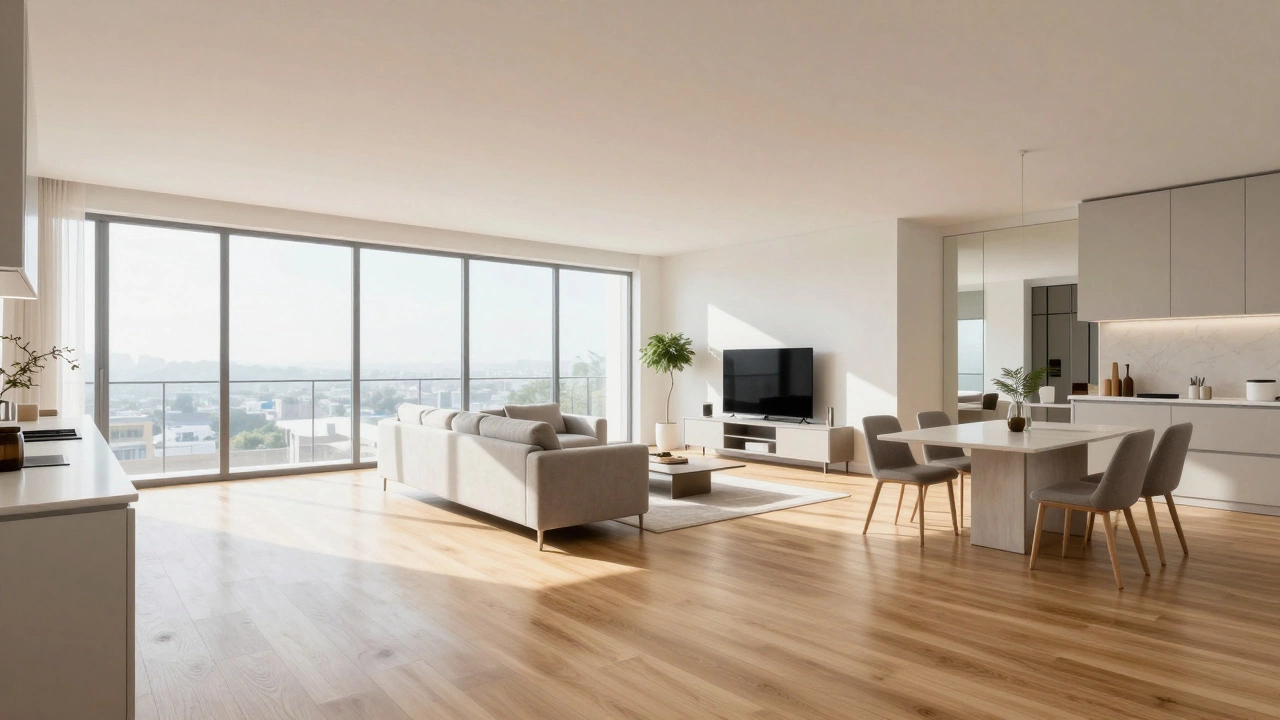
Apartment Space Allocator: Is 1500 Sq Ft Enough?
Use this tool to visualize how different room configurations fit within a standard 1500 sq ft (139.35 sq m) apartment. Adjust the sliders to see if your desired lifestyle fits.
Analysis Results
Total Allocated Space: 0 sq ft
Remaining/Overflow Space: 0 sq ft
Total in Metric: 0 square meters
You walk into a listing for a 1500 sq ft apartment is a residential unit measuring approximately 139 square meters, typically offering two bedrooms and ample living space. The agent calls it "cozy." Your friend calls it "huge." So, who is right? Is 1500 square feet small? The short answer is no. In the current housing market, especially in dense urban centers, 1500 square feet is considered a spacious mid-sized home, particularly if you are looking at a standard 2BHK apartment is a housing configuration with Two Bedrooms, Hall (Living Room), and Kitchen, popular among families and professionals.
The confusion comes from how we define "small." A studio in New York City might be 400 square feet. A luxury penthouse in Dubai might be 5,000. Context changes everything. If you are comparing this to a single-family house with a yard, garage, and three stories, yes, it feels compact. But compared to the average rental or condo in major cities worldwide, 1500 square feet is actually generous. It sits comfortably in the "sweet spot" for many buyers and renters: large enough to live comfortably without feeling like you're cleaning a warehouse.
Understanding the Math of Living Space
To understand why 1500 square feet isn't small, you have to look at the numbers. The average size of a new single-family home in the United States has hovered around 2,300 to 2,500 square feet for the last decade. However, the average *apartment* or condominium is significantly smaller. According to data from the U.S. Census Bureau and similar bodies globally, the median size for multi-unit dwellings often falls between 800 and 1,200 square feet.
So, where does that leave 1500? It puts you well above the median. You are likely looking at a unit that offers more room than 60-70% of other apartments on the market. This extra space translates directly to lifestyle benefits. You aren't just getting square footage; you are getting flexibility. You can fit a dining table that seats six. You can have a dedicated workspace that doesn't double as your kitchen counter. You can store winter coats without renting a separate storage locker.
In metric terms, which matters if you are looking at markets in Europe, Australia, or parts of Asia, 1500 square feet converts to roughly 139 square meters. In countries like Germany or France, an apartment over 100 square meters is often classified as family-sized. In Japan, where space is at a premium, this would be considered a very large luxury unit. Perspective shifts depending on where you stand.
The 2BHK Configuration: Why It Fits
Most 1500-square-foot units are designed as 2BHK layouts. This acronym stands for Two Bedrooms, Hall (or Living Area), and Kitchen. This specific layout is incredibly efficient for this size range. Here is why the math works so well for a 2BHK in this footprint:
- Master Bedroom: Typically takes up about 150-200 square feet. This allows for a queen or king bed, a nightstand, and a small dresser without feeling cramped.
- Second Bedroom: Usually slightly smaller, around 120-150 square feet. Perfect for a guest room, a child's bedroom, or a home office.
- Kitchen: In a 1500 sq ft unit, the kitchen is rarely a tiny galley style. You can expect 100-150 square feet, allowing for an L-shape or U-shape counter layout, possibly even a small breakfast bar.
- Living/Dining Hall: This is the biggest win. With the bedrooms and kitchen accounted for, you still have 600-800 square feet left for the main living area. That is substantial. It means you can have a distinct living zone and a distinct dining zone, rather than a combined "great room" that feels cluttered.
- Bathrooms & Circulation: Standard two-bathroom setups (one en-suite, one shared) plus hallways and closets usually consume another 200-250 square feet.
When you add these up, you see that every room gets breathing room. In a smaller 1000-square-foot 2BHK, the second bedroom might be too small for anything but a twin bed and a closet. In 1500 square feet, that second room becomes functional. It can genuinely serve as an office with a desk, chair, and bookshelf, or a nursery with a crib and changing station.
| Room/Area | Average Size (Sq Ft) | Functionality Level |
|---|---|---|
| Master Bedroom | 180 | Spacious (King Bed + Dresser) |
| Second Bedroom | 140 | Functional (Queen Bed or Office) |
| Kitchen | 120 | Comfortable (L-Shape + Island possible) |
| Living/Dining Area | 700 | Very Spacious (Separate zones) |
| Bathrooms & Closets | 200 | Standard (2 Bathrooms) |
| Hallways/Circulation | 160 | Necessary flow space |
Urban vs. Suburban Context
Whether 1500 square feet feels small depends heavily on location. Let's look at two different scenarios.
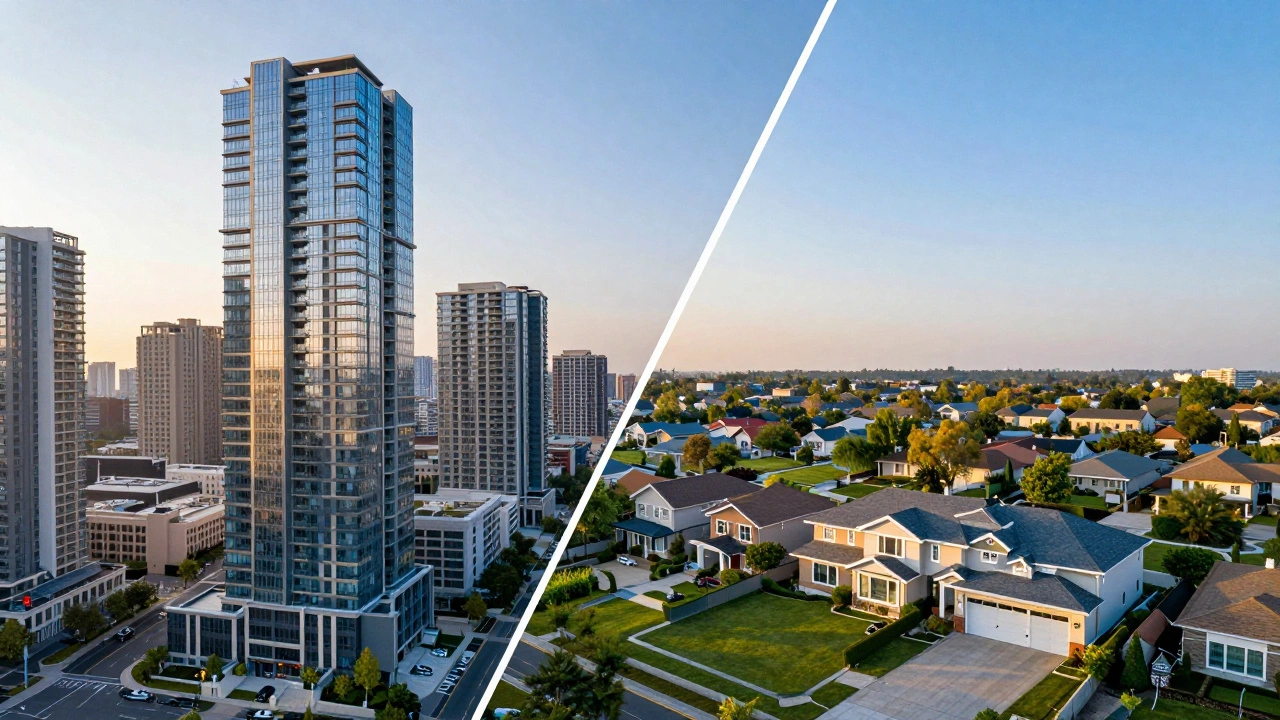
In a high-density city center like Manhattan, London, or Auckland CBD, 1500 square feet is a luxury. Apartments here often sacrifice space for views or proximity. A typical 2-bedroom in these areas might range from 800 to 1,100 square feet. Finding 1500 square feet downtown usually means you are looking at a high-end building with premium amenities like concierge services, gyms, and rooftop terraces. In this context, it is definitely not small; it is a statement piece.
Now, imagine a suburban neighborhood outside the city limits. Here, land is cheaper, and houses are bigger. A standalone house might easily exceed 2,500 square feet. If you move from a suburban house to a 1500-square-foot apartment, you will feel the difference. You lose the backyard, the detached garage, and the third floor. For someone used to sprawling suburban homes, 1500 square feet can feel restrictive. This is often called "downsizing shock." It’s not that the apartment is objectively small; it’s that your expectations were calibrated to a much larger environment.
However, even in suburbs, 1500 square feet is a solid size for a townhouse or a ground-floor apartment. It provides enough indoor space that you don't feel confined during bad weather, while still being manageable to maintain compared to a 3,000-square-foot mansion.
Who Is 1500 Square Feet Ideal For?
This size hits a specific demographic sweet spot. It is not ideal for everyone, but for certain groups, it is perfect.
Couples Without Children: Many couples find that after their kids leave home (the "empty nester" phase), they want to downsize but don't want to give up space. A 1500-square-foot 2BHK allows them to keep a guest room for visiting children or grandchildren, while having a master suite that feels private and luxurious. They get the ease of apartment living (no mowing lawns) without the claustrophobia of a condo.
Young Families: For a couple with one or two young children, this is often the first step up from a cramped starter home. The second bedroom serves as a kid's room. The large living area accommodates play mats and toys. As the kids grow, the space remains functional until they need their own separate rooms, at which point the family might move to a larger house.
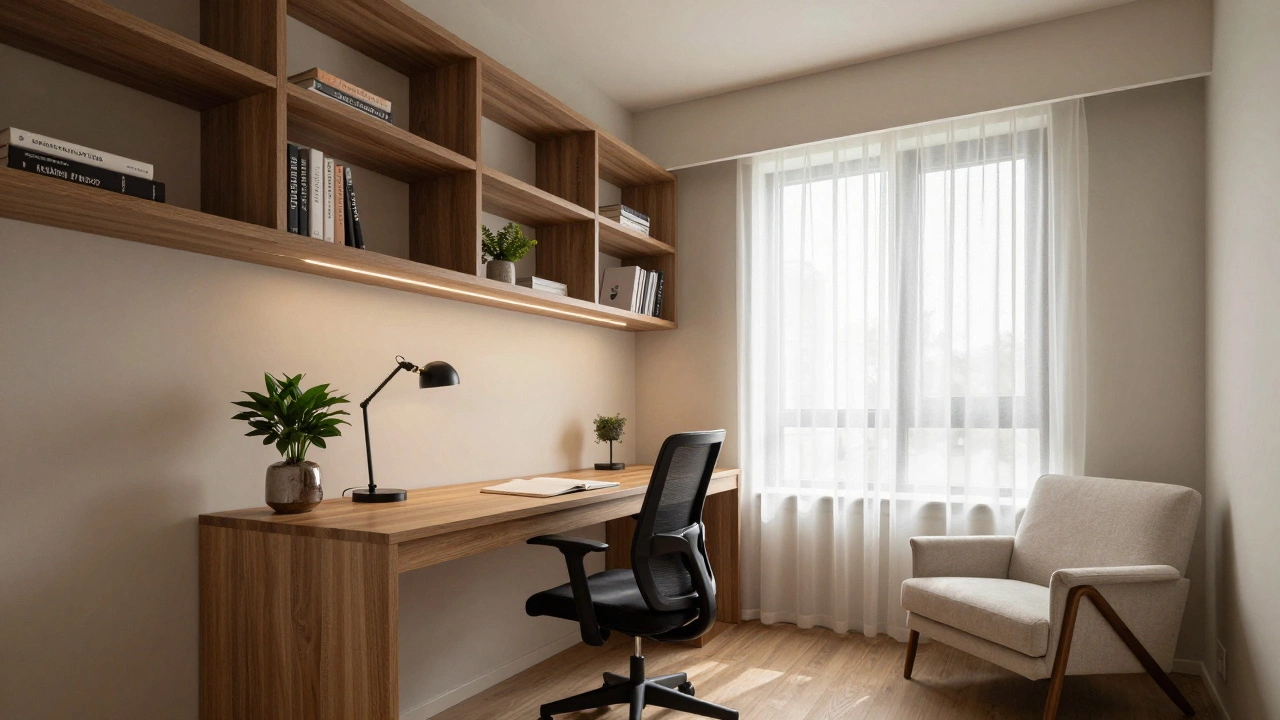
Remote Workers: The rise of work-from-home culture has changed how we value square footage. A 1500-square-foot unit almost always has enough space to designate a quiet corner or a full second bedroom as an office. In a smaller 1000-square-foot unit, your "office" might be the dining table, which creates friction when trying to eat dinner. Here, you can close the door to the second bedroom and disappear into work mode.
Design Tips to Maximize the Space
Even though 1500 square feet is spacious, poor design can make it feel smaller. Conversely, good design can make it feel like 2,000. Here are practical ways to optimize your 2BHK layout.
- Open Concept Living: If the layout allows, consider removing non-load-bearing walls between the kitchen and living room. This creates a continuous flow of light and sightlines, making the central area feel massive. An open kitchen with an island acts as a social hub and eliminates the "closed-off" feeling of older apartment designs.
- Mirrors and Light: Place large mirrors opposite windows. This reflects natural light deep into the apartment, doubling the visual depth. Use sheer curtains instead of heavy drapes to let light in while maintaining privacy.
- Multi-Functional Furniture: Even in a spacious apartment, clutter kills the vibe. Use a sofa bed for guests instead of keeping the second bedroom permanently furnished if you rarely have visitors. This frees up the second room to be a gym, library, or meditation space.
- Vertical Storage: Don't just use floor space. Install shelves up to the ceiling in closets and living areas. This draws the eye upward and utilizes cubic volume rather than just square footage.
- Consistent Flooring: Using the same flooring material throughout the main living areas (living room, dining, kitchen) removes visual barriers. Different rugs or tile transitions chop up the space, making each section feel smaller.
Cost Implications: Value per Square Foot
One reason people ask if 1500 square feet is small is because of price. In many markets, the price per square foot for apartments is higher than for houses. A 1500-square-foot apartment might cost as much as a 2,500-square-foot house in a less desirable location. This leads to the perception that you are "getting less for your money."
However, you must factor in maintenance and utilities. A 1500-square-foot apartment has lower heating and cooling costs than a large house. There is no roof to repair, no driveway to salt in winter, and no lawn to mow. When you calculate the total cost of ownership-including time spent on maintenance-the apartment often wins. The "value" isn't just in the raw square footage; it's in the freedom from upkeep.
Additionally, in investment terms, 2BHK apartments in the 1500-square-foot range tend to rent out quickly. They appeal to the broadest demographic: professionals, small families, and downsizers. This liquidity makes them a safer bet for investors compared to niche properties like massive penthouses or tiny studios.
Common Pitfalls to Avoid
When shopping for a 1500-square-foot 2BHK, watch out for these issues that can waste your space:
- Excessive Hallways: Some floor plans have long, dark corridors leading to bedrooms. This is dead space-you can't put furniture there, but you pay for it. Look for layouts where bedrooms open directly off the living area or a short foyer.
- Poor Bathroom Placement: Ensure the bathrooms are conveniently located. A bathroom tucked away at the end of a long hall wastes square footage and is inconvenient for guests.
- Window Placement: Check the orientation. In the Northern Hemisphere, south-facing windows provide better natural light. A 1500-square-foot apartment with only north-facing windows will feel dim and smaller than one with abundant southern exposure.
Ultimately, whether 1500 square feet is "small" is subjective. But objectively, it is a robust, versatile size. It avoids the tightness of micro-apartments while staying manageable for most budgets and lifestyles. It is the Goldilocks zone of modern urban living: not too big, not too small, but just right for a comfortable, stylish life.
Is 1500 sq ft enough for a family of four?
Yes, for many families. A 1500 sq ft 2BHK provides two bedrooms, which can accommodate parents in one and children sharing the other. The large living area allows for common activities. However, if the children are older and require privacy, or if you have significant storage needs, you might feel constrained. It works best for families with younger children or those who spend much time outdoors.
How many square meters is 1500 sq ft?
1500 square feet is approximately 139.35 square meters. This conversion is useful when comparing listings in countries that use the metric system, such as most of Europe, Australia, and New Zealand.
Is a 2BHK apartment better than a 3BHK in 1500 sq ft?
A 2BHK is generally more comfortable in 1500 sq ft. Trying to squeeze three bedrooms into this space often results in very small rooms that cannot fit standard beds or desks. A 2BHK layout allows each room to be functional and spacious, resulting in a higher quality of life despite having one fewer bedroom.
Does carpeting make a 1500 sq ft apartment feel smaller?
It can. Wall-to-wall carpeting, especially in dark colors, can absorb light and make spaces feel enclosed. Hardwood floors, laminate, or large-format tiles reflect more light and create a sense of continuity, making the apartment feel larger and more modern. If you have carpet, using large area rugs defined by color rather than texture can help open up the space.
What is the average rent for a 1500 sq ft apartment in 2026?
Rent varies drastically by location. In major US cities like San Francisco or New York, it could exceed $4,000-$6,000 per month. In mid-sized cities, it might range from $2,000 to $3,000. In more affordable regions or countries with lower cost of living, it could be significantly less. Always check local market trends for accurate pricing.