Maryland Landlord Entry Laws: Can They Show Your Rental Home?
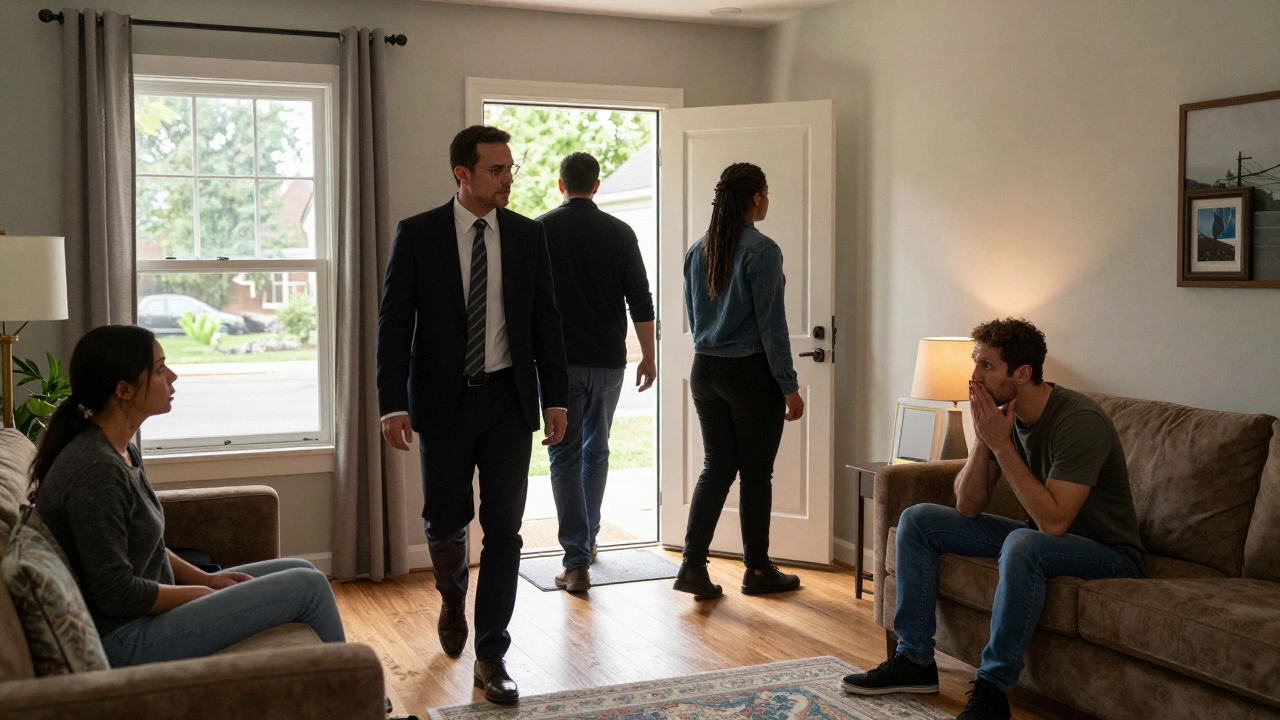
Maryland Landlord Entry Legality Checker
Entry Scenario Validator
The Bottom Line on Landlord Entry
Quick Summary of Maryland Rules
- Lease First: The terms of your signed lease override general customs.
- Reasonable Notice: Typically 24-48 hours if the lease is silent.
- Reasonable Hours: Showings should happen during normal business hours, not at 11 PM.
- Right to Refuse: You can't blanket-ban showings, but you can object to unreasonable timing.
Decoding the Lease Agreement
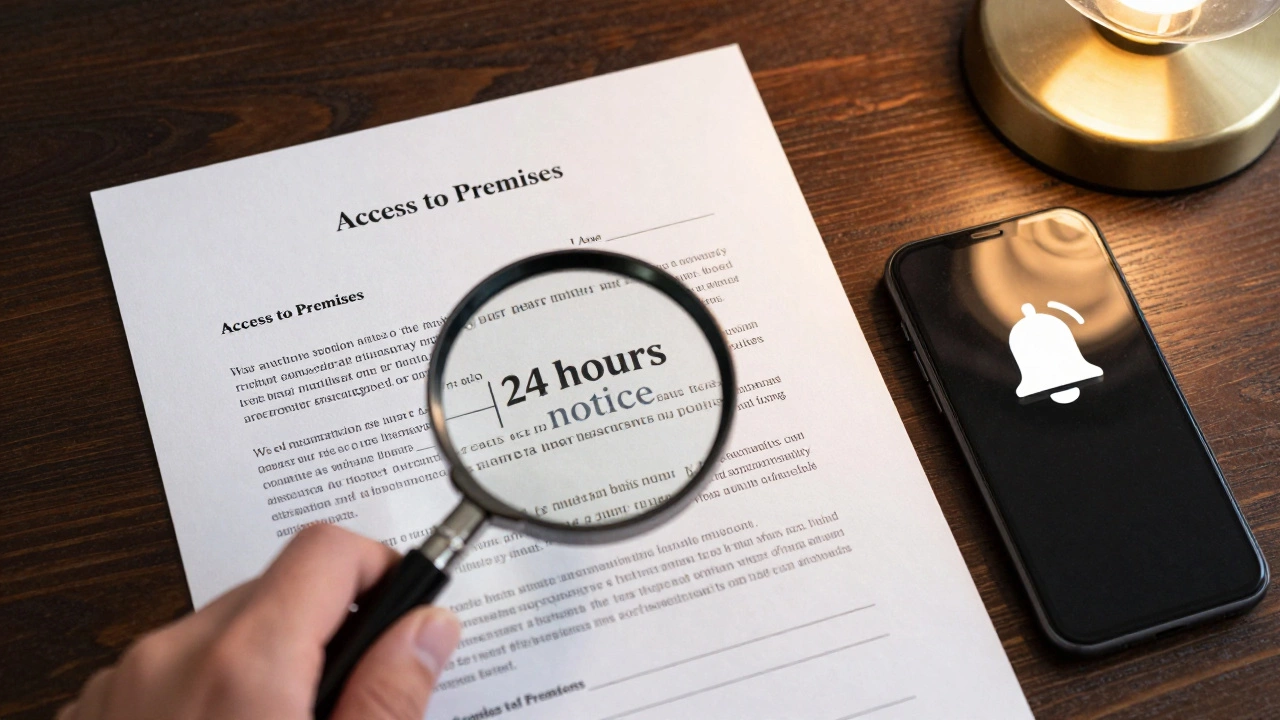
Most professional landlords use a standard lease that includes an "Access to Premises" clause. This section is where the battle lines are drawn. If you see a phrase like "Landlord may enter the premises with 24 hours' notice for the purpose of showing the property," you're bound by that timeline. What happens if the landlord ignores the lease? Some tenants think they can just lock the door and refuse entry. Be careful here. If you completely block a landlord from showing the property (especially when they've provided proper notice), you could be found in "material breach" of your lease. This could lead to eviction proceedings. Instead of a total lockout, the smart move is to document the violation. Send an email or a certified letter stating: "On April 20th, you entered the property without the 24-hour notice required by Section 12 of our lease. Please ensure all future visits follow this protocol." This creates a paper trail that protects you if things ever go to court.Privacy vs. Property Rights
There is a constant tug-of-war between a tenant's right to privacy and a landlord's right to protect their investment. Landlords want to avoid "vacancy loss"-the money they lose every day a house sits empty. Because of this, they often push to show the house while you're still living there.| Scenario | Notice Required? | Tenant Consent Needed? | Typical Legality |
|---|---|---|---|
| Emergency (Burst Pipe) | No | No | Legal |
| Routine Maintenance | Yes (Reasonable) | No (if notice given) | Legal |
| Showing to Buyers/Tenants | Yes (Lease/Reasonable) | No (if notice given) | Legal |
| Random "Check-ins" | Yes | Yes | Often Questionable |
Dealing with Frequent Showings
One of the biggest headaches occurs when a landlord lists a house for sale and suddenly your home becomes a public museum. If you have five different couples walking through your bedroom every week, that starts to interfere with your "quiet enjoyment." In Maryland, you have the right to live in your home without undue disturbance. While you can't stop the landlord from selling the house, you can negotiate "showing windows." For example, tell your landlord: "I'm happy to accommodate showings, but only on Tuesdays and Thursdays between 4 PM and 7 PM, and Saturdays from 10 AM to 2 PM." Most reasonable landlords will agree to this because it's better than having a grumpy tenant who makes the house look unappealing to buyers. If the landlord refuses and continues to send people in daily, you might have grounds to claim a breach of contract.The Role of the Rental License and Property Registration
In some Maryland jurisdictions, like Baltimore City or Montgomery County, landlords must follow strict Property Registration rules. These regulations often include specific requirements for how rentals are managed. If a landlord is not properly registered or licensed in their county, they may be in violation of local ordinances. While this doesn't necessarily give you the right to stop a showing, it gives you significant leverage. A landlord who is hiding from the city's rental registration office is usually much more willing to follow your request for 48-hour notices to avoid drawing further attention to their legal lapses.What to Do When Boundaries are Crossed
If your landlord is consistently ignoring your privacy, don't just scream into the void. Take these concrete steps:- Review your lease: Circle the exact wording regarding entry.
- Communicate in writing: Stop using phone calls. Use email or text so you have a timestamped record of your requests for notice.
- Install a camera: A simple Ring Doorbell or internal security camera can prove when a landlord entered and how long they stayed. (Just make sure you aren't filming areas where guests have a high expectation of privacy, like bathrooms).
- Contact a tenant advocate: If the harassment continues, reach out to local legal aid or a tenant union.

The Danger of 'Self-Help' Evictions
Sometimes, a landlord will use "showings" as a way to harass a tenant into moving out. They might start showing the house every single day or bringing in people at odd hours. This is a form of Constructive Eviction. Constructive eviction happens when a landlord makes the living conditions so miserable that the tenant is effectively forced to leave. If you can prove that the "showings" were actually a coordinated effort to drive you out, you may be able to break your lease without penalty or even sue for damages. However, proving this in a Maryland court requires a high level of documentation-logs of every entry, emails ignored, and witness statements from the prospective buyers who were brought in.Common Misconceptions About Maryland Law
Many renters believe that they have the right to say "no" to every single showing. This is a myth. Unless your lease specifically says you can deny entry, you generally cannot block a landlord from showing the home if they've followed the notice rules. Another misconception is that landlords can enter whenever they want if they are the owners. Being the owner of the building does not grant an unlimited pass to enter a rented space. Once you pay rent, you are buying the right to exclusive possession of that space for the duration of the lease. The landlord retains the "title," but you hold the "possession."Can I charge my landlord for every showing they do?
Unless it is explicitly written in your lease agreement, no. You cannot charge a "showing fee." However, if the showings are so frequent that they interfere with your ability to work from home or live peacefully, you can negotiate a rent reduction in exchange for the inconvenience.
Do I have to be home during a showing?
No, you are not required to be present. In fact, many tenants prefer to be absent so the prospective renters can see the space without feeling awkward. However, you are welcome to be there, provided you don't interfere with the process.
What if my landlord enters while I'm in the shower?
This is a severe violation of privacy. Regardless of the notice given, entry must be "reasonable." Entering a bathroom while occupied is neither reasonable nor legal. You should document the incident and send a formal written complaint immediately.
Can a landlord show my house if I'm behind on rent?
Yes. Being behind on rent does not strip you of your privacy rights or the notice requirements in your lease. The landlord must still provide reasonable notice before showing the property, even if they are in the process of evicting you.
Does Maryland law require a 24-hour notice for all rentals?
There is no single state law that mandates 24 hours for every single property. It depends on your local county ordinances and, most importantly, your signed lease. While 24 hours is the industry standard and usually what courts consider "reasonable," always check your specific contract.
Next Steps and Troubleshooting
If you're currently dealing with a landlord who won't stop barging in, here is a game plan based on your situation:- If you have a good relationship: Have a polite conversation. Explain that you value your privacy and suggest a specific "showing window" each week. Most landlords just want the process to be easy.
- If the landlord is aggressive: Stop all verbal communication. Send a formal letter via certified mail referencing the "Quiet Enjoyment" clause of your lease. This puts them on legal notice.
- If you feel unsafe: If a landlord enters without notice and you feel threatened, you can call the non-emergency police line to document the incident. While police rarely arrest landlords for entry violations, a police report is powerful evidence in a housing court.