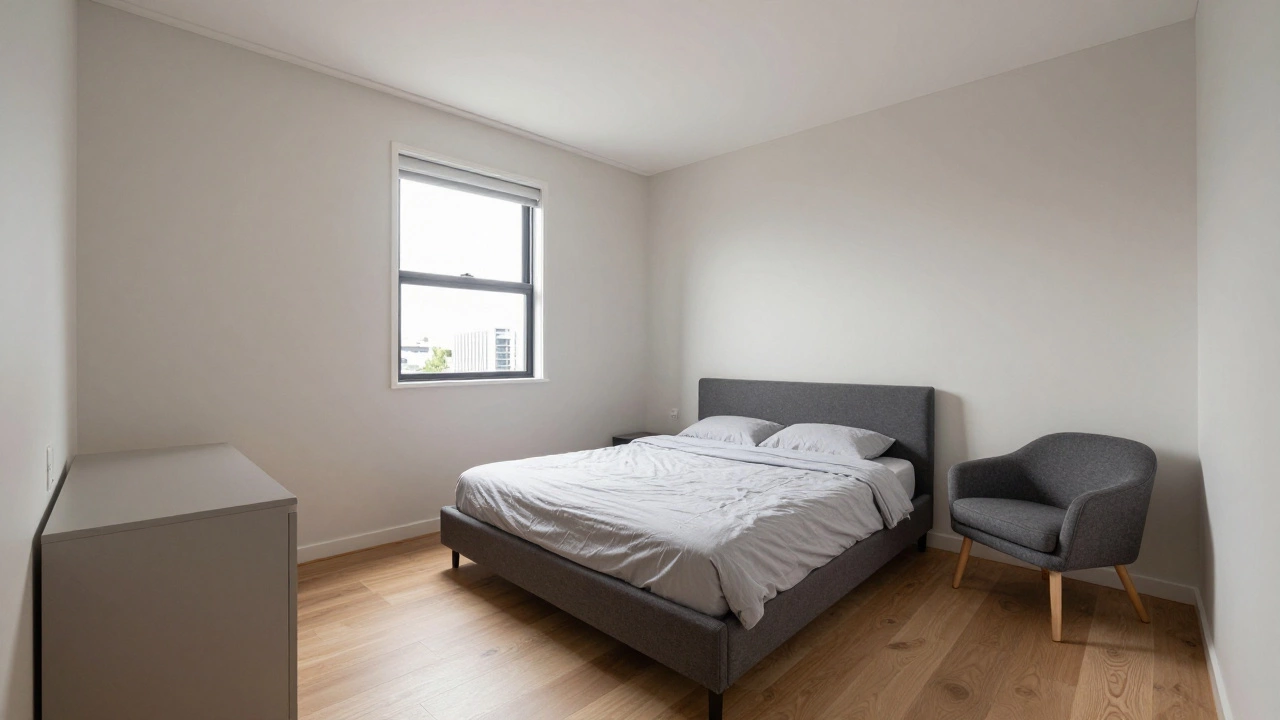
A 12x12 bedroom in a 2BHK apartment meets legal minimums but feels cramped in practice. Learn why this size is common, what actually fits inside, and how it affects your daily life and future resale value.
Apartment Layout: Understand Common Designs, Sizes, and What Works Best
When you think about an apartment layout, the arrangement of rooms and spaces inside a residential unit that affects how you live, move, and use the space. Also known as a floor plan, it’s not just about how many bedrooms you get—it’s about how the kitchen connects to the living area, whether the bathroom is private, and if there’s room for a home office or storage. A bad layout can make even a large apartment feel cramped. A smart one turns a small space into a home that works for your life.
Take the 2BHK apartment, a standard two-bedroom, one-hall, one-kitchen layout common in Indian cities like Mumbai. Also known as a 2-bedroom apartment, it’s the go-to for young couples and small families. Most 2BHKs in Mulund range from 65 to 85 square meters, hitting that sweet spot between affordability and space. Then there’s the T5 apartment, a five-room layout that typically includes two or three bedrooms, a living room, dining area, and a separate study or utility room. It’s the upgrade for families who need room to work from home, host guests, or just breathe. And if you’ve seen modern homes in New Zealand or Japan, you’ve likely run into the LDK apartment, a single open space combining living, dining, and kitchen areas. Also called a kitchen-living-dining combo, it’s all about flow, natural light, and making small spaces feel bigger.
Layout isn’t just about room count. It’s about doors, windows, and circulation. A kitchen tucked away behind a bedroom? An awkward hallway eating up square footage? These details matter more than you think. A good layout lets you cook without walking through the living room, lets kids play safely near parents, and gives you space to stretch out after a long day. Whether you’re renting in Mulund or buying your first home, the right layout saves you stress, money, and time.
What you find below are real examples of how people are using these layouts today—from the rise of T5s for remote workers to why LDK designs are stealing attention in global markets. You’ll see how size, function, and design choices shape what’s possible in today’s housing market. No fluff. Just what works, what doesn’t, and why it matters for your next home.
What is a Type C Apartment? Understanding 2BHK Layouts and What They Really Offer
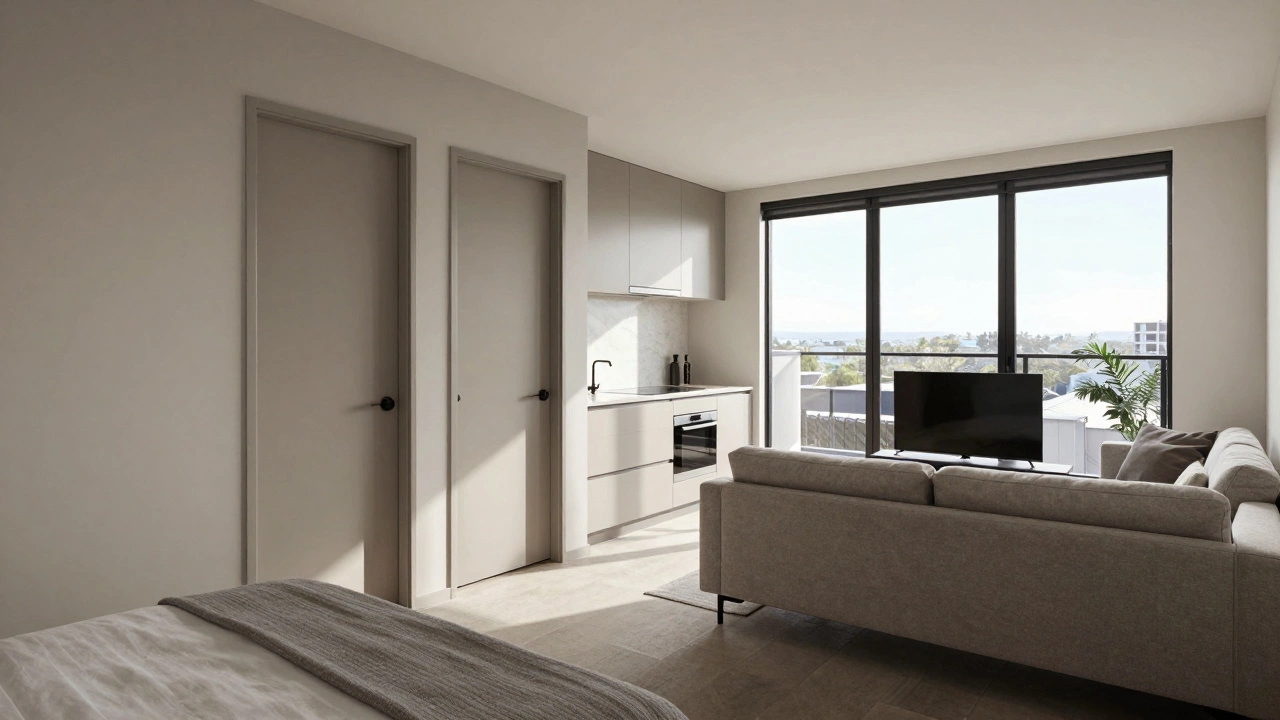
A Type C apartment is a practical 2BHK layout with both bedrooms on one side and living space on the other, offering privacy and efficiency. Popular in Auckland, it's ideal for first-time buyers and couples seeking affordability without sacrificing space.

2 Room Apartment: What Does It Really Mean?
Ever wondered what a 2 room apartment actually includes? This article breaks down the real meaning behind the term, how it compares to 2BHK apartments, and what you can expect when searching for one. Get straightforward advice about layouts, local variations, costs, and must-know tips for choosing the right apartment. We'll also clear up some common confusion people face during their home hunt. Perfect for anyone feeling lost in the world of real estate jargon.
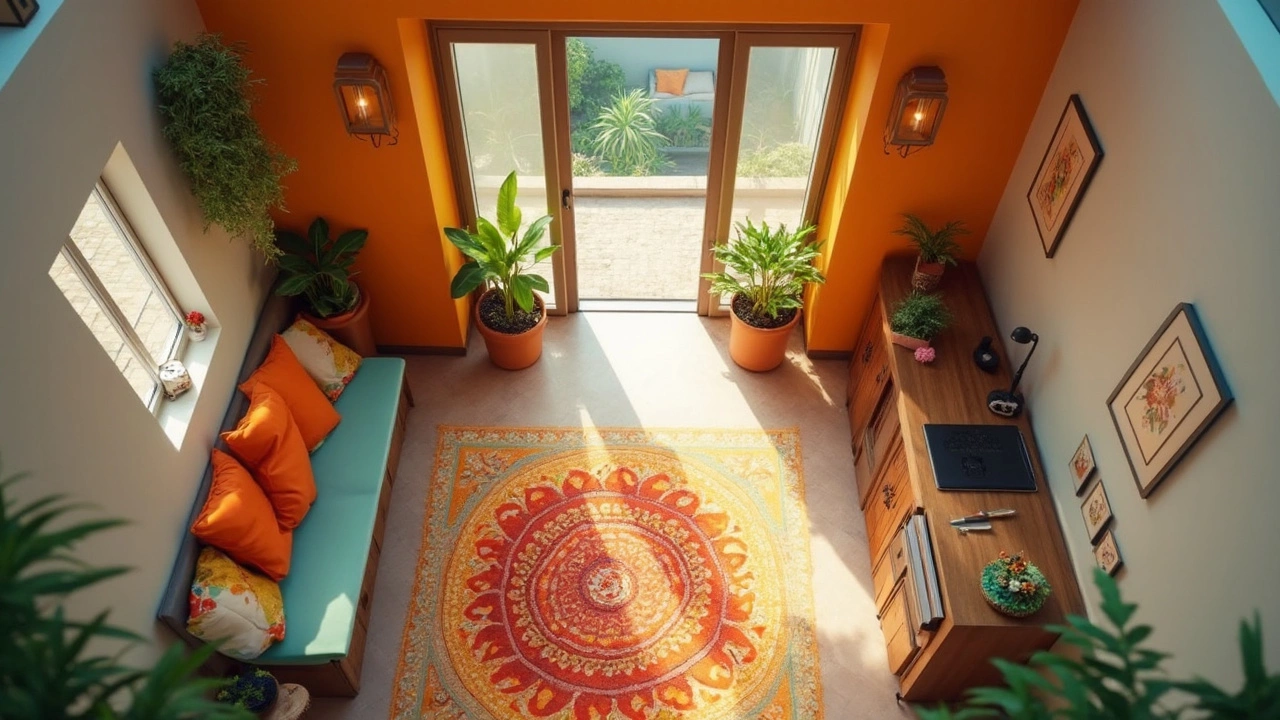
2DK Apartment: What It Is and How It Compares to 2BHK
Ever wondered what a 2DK apartment is? This article breaks down what sets a 2DK apart from other apartment types, especially the popular 2BHK. Get tips on maximizing these unique spaces and learn some interesting facts about why they're so common in Japan. If you're thinking about moving into a 2DK or just want to understand the real differences, this is a practical guide for you.