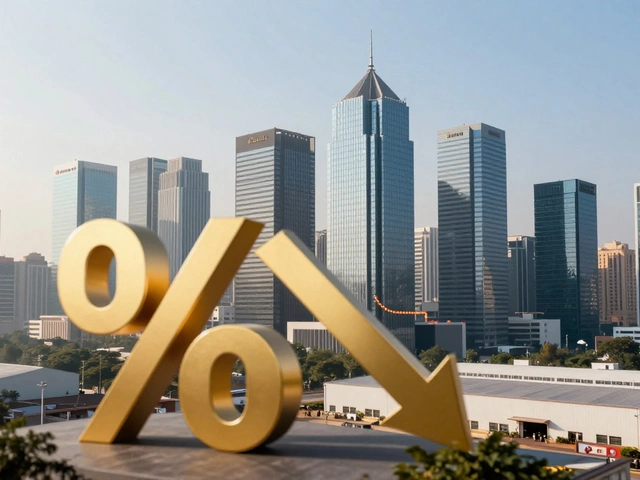
Discover the typical payback period for commercial real estate, how to calculate it, key factors that affect it, and real‑world examples to help you make smarter investment decisions.
Cash Flow in Real Estate: What It Means and Why It Matters
When you own a rental property, cash flow, the net income generated after all expenses are paid. It’s not about how much rent you collect—it’s what’s left after the mortgage, taxes, insurance, repairs, and management fees. Many people think owning property means instant profit, but cash flow is what keeps you in the game long-term. If your rent doesn’t cover your costs, you’re not making money—you’re just paying someone else to hold the property for you.
That’s why cash-on-cash return, a metric that measures annual cash flow as a percentage of the cash you put in matters more than just rent prices. A $2,000 monthly rent sounds great, but if you put $100,000 down and pay $1,800 in expenses each month, your cash flow is only $200. That’s a 2.4% return—barely better than a savings account. Top investors look for properties where cash flow hits 8-12% or more. They don’t chase big numbers—they chase clean, predictable money.
It’s not just about single-family homes. commercial property, buildings rented to businesses like offices, retail stores, or warehouses can generate even stronger cash flow, but the risks are different. Tenants might stay longer, but vacancies can mean zero income for months. And when the roof leaks or the HVAC breaks, the cost hits harder. That’s why smart investors track not just cash flow, but also how stable the income is. A grocery store in a busy neighborhood? That’s reliable. A trendy coffee shop in a new development? That’s a gamble.
Location, timing, and property condition all affect cash flow, but the biggest factor is control. You can’t control the market, but you can control your expenses. Fixing a leaky faucet before it ruins the floor. Choosing a property with good natural light so you can charge more rent. Keeping the unit occupied with good tenants. These small moves add up. One investor in Auckland paid $500 extra for a unit with a laundry in-unit—tenants paid $100 more rent a month because of it. That’s $1,200 extra cash flow per year, just for thinking ahead.
And it’s not just about the numbers. Cash flow gives you freedom. It means you can skip a month’s mortgage if you need to. It means you can afford to wait for the right buyer instead of selling in a panic. It means you’re not relying on someone else’s paycheck to keep your investment alive.
Below, you’ll find real examples from investors who’ve cracked the code on cash flow—whether it’s a 2BHK in New Zealand, a commercial building in Auckland, or a rental in Virginia. Some made it work with tight budgets. Others used smart financing. None of them got rich overnight. They just kept track of the money—and made sure it flowed their way.