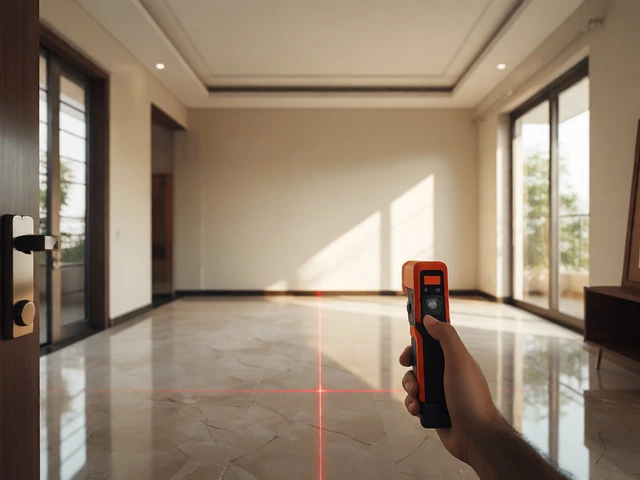
What Does 600 Square Feet Look Like in a 2BHK Apartment? A Complete Visual Guide
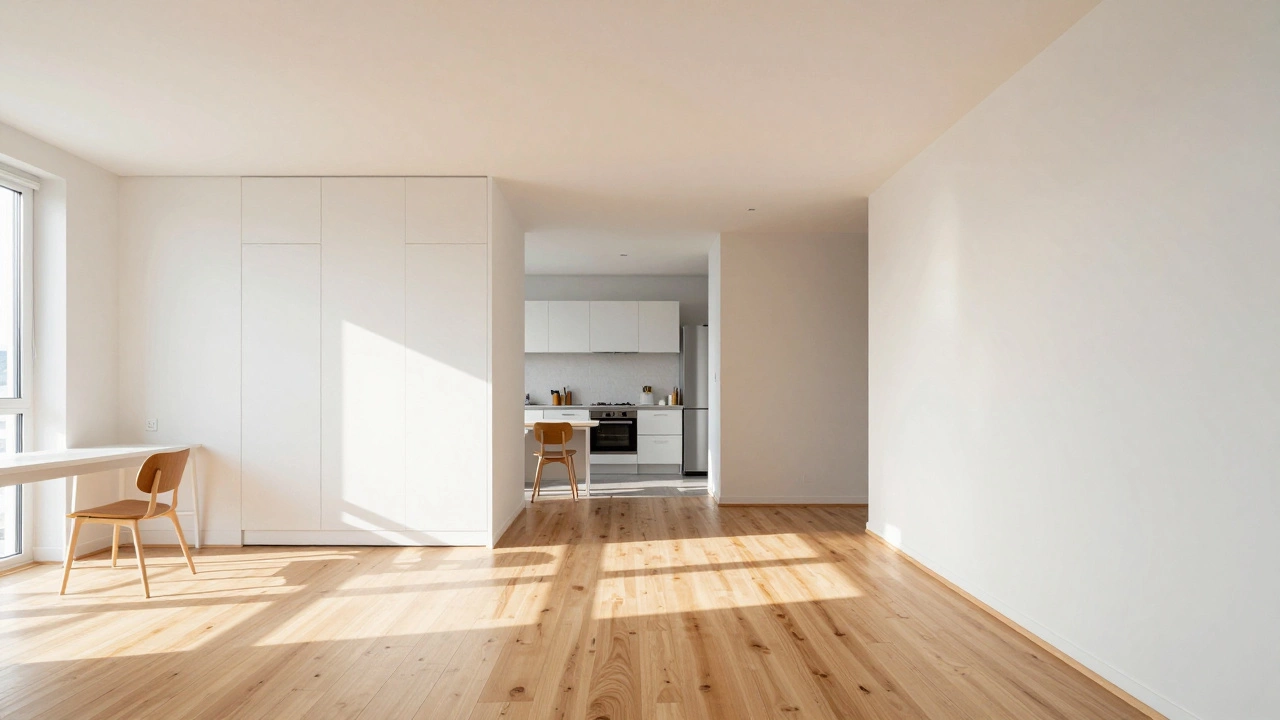
Imagine standing in a room where every step takes you from one function to another instantly. That is the reality of 600 Square Feeta compact residential area commonly found in urban apartment complexes. It is easy to read "600 square feet" on a brochure and picture something spacious, especially when paired with the promise of a 2BHK Apartmenta housing unit featuring two bedrooms, a hall, and a kitchen. But without seeing it, it is difficult to grasp exactly how your life fits inside those walls.
In reality, 600 square feet is roughly the size of two average cars parked end-to-end, or a single badminton court cut in half. When you add the requirement of two sleeping quarters, the challenge shifts from mere occupancy to strategic design. You are not just filling a box; you are engineering a lifestyle. Understanding this metric is critical for anyone navigating today's high-density urban markets where land premiums drive compact living standards.
The Anatomy of a 600-Square-Foot 2BHK
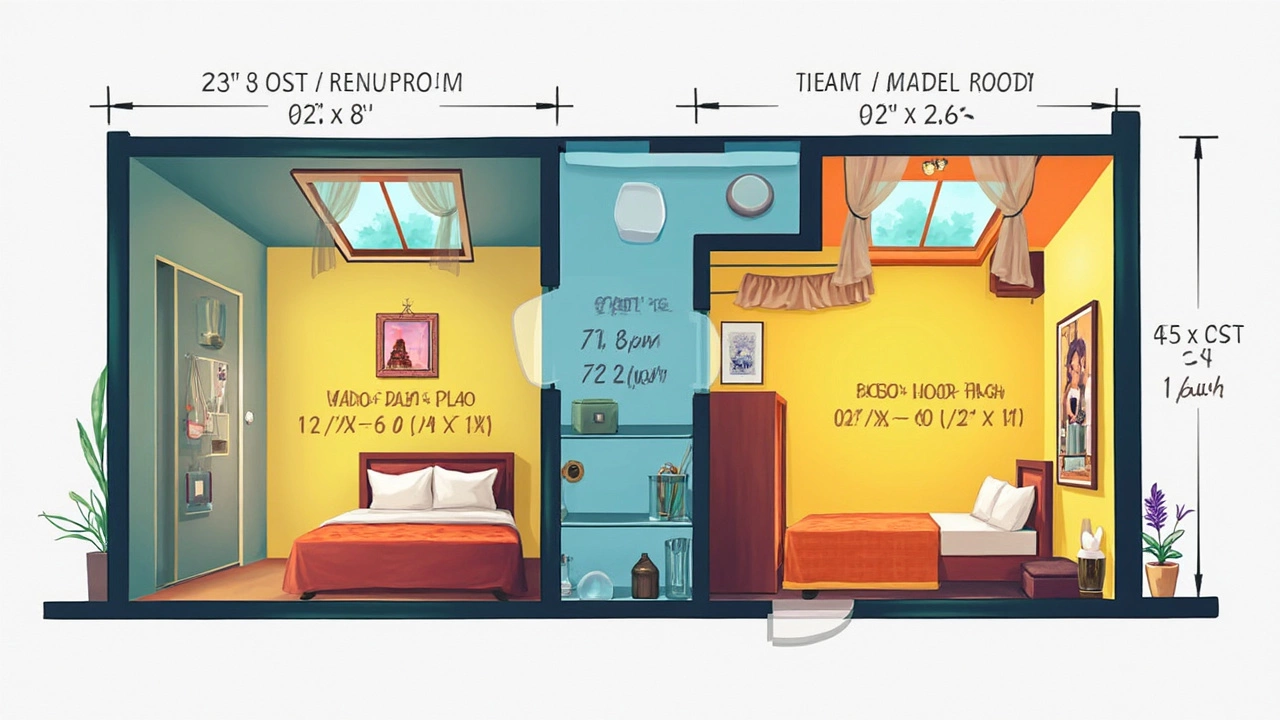
To understand what this space looks like, we have to break down the math. Most Standard Apartment Layouts distribute area across specific functional zones. In a 600-square-foot unit configured as a 2BHK, the floor plan typically splits as follows:
- Main Bedroom: Approximately 150 to 160 square feet.
- Second Bedroom: Smaller, around 100 to 120 square feet (often functions as a study).
- Living Room/Hall: About 180 to 200 square feet.
- Kitchen: Compact galley style, near 80 square feet.
- Bathroom: Standard 5x8 feet size, taking up about 40 square feet.
- Corridors/Circulation: Remaining 20 to 40 square feet.
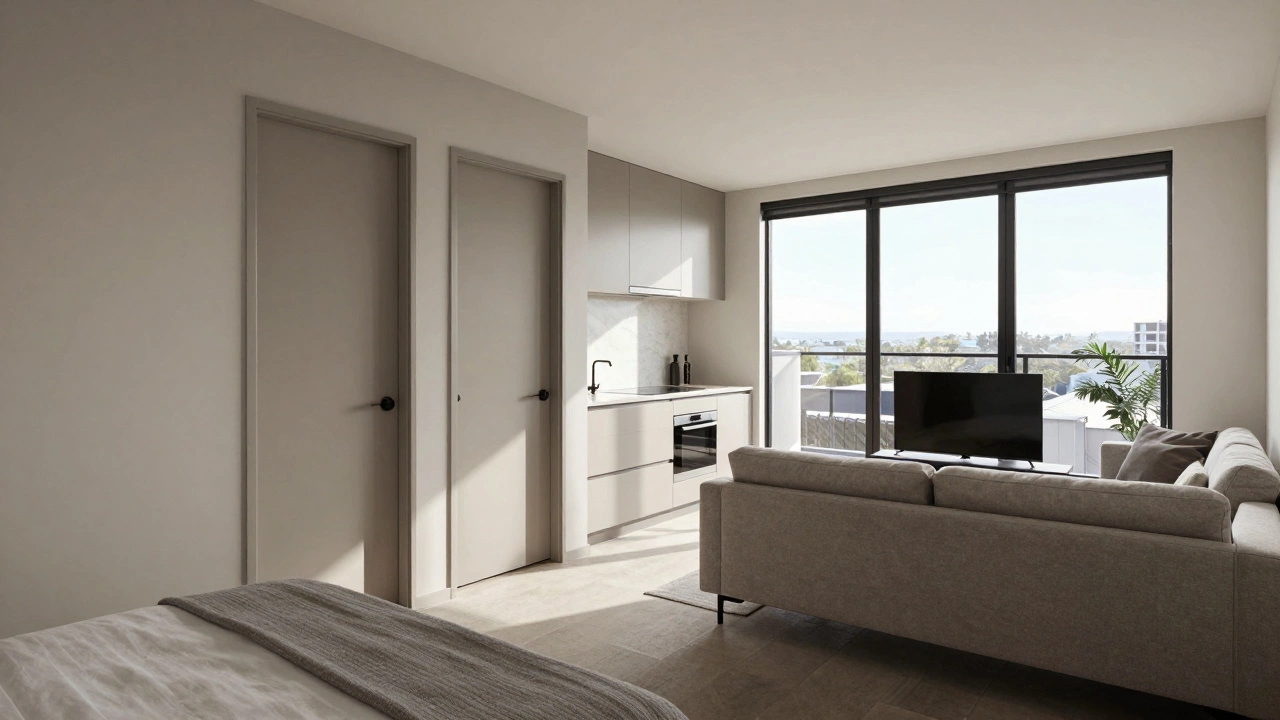
Notice that the corridor is practically non-existent. In a unit this size, circulation happens through open pathways rather than dedicated hallways. This saves space but sacrifices separation. When you walk into the front door, you are likely walking directly into the living area, meaning guests see straight into your private zones. Architects call this Open Conceptan architectural approach that removes walls to combine rooms, and it dominates modern small-unit designs.
The second bedroom in this calculation is often the compromise point. In many cases, the developers list it as a "bedroom," but its dimensions might be closer to a large closet converted for human habitation. It is vital to verify the actual net internal dimensions during viewing visits, as carpet areas sometimes include wall thickness or balcony portions that do not contribute to usable indoor space.
Fitting a Life Into Compact Footprint
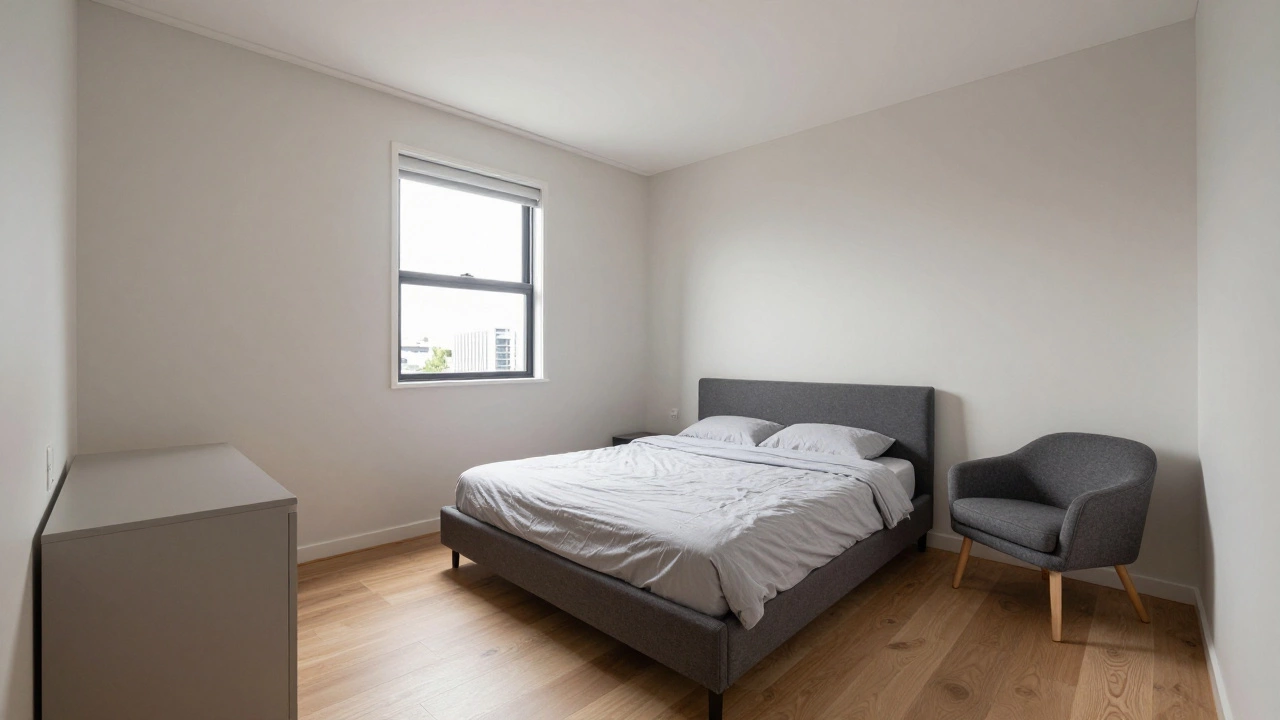
Once you visualize the raw walls, the next layer of reality is furniture. Standard furniture dimensions rarely adjust themselves to the building's limits, so the onus falls on the resident to adapt. For example, a standard double bed occupies about 54 square feet. If placed in the 150-square-foot master, you have roughly 100 square feet left for a wardrobe and a small passage.
This is where Space Planningthe process of arranging furniture and fixtures within a defined area becomes a daily necessity rather than a one-time chore. To maximize utility, consider these tangible adjustments:
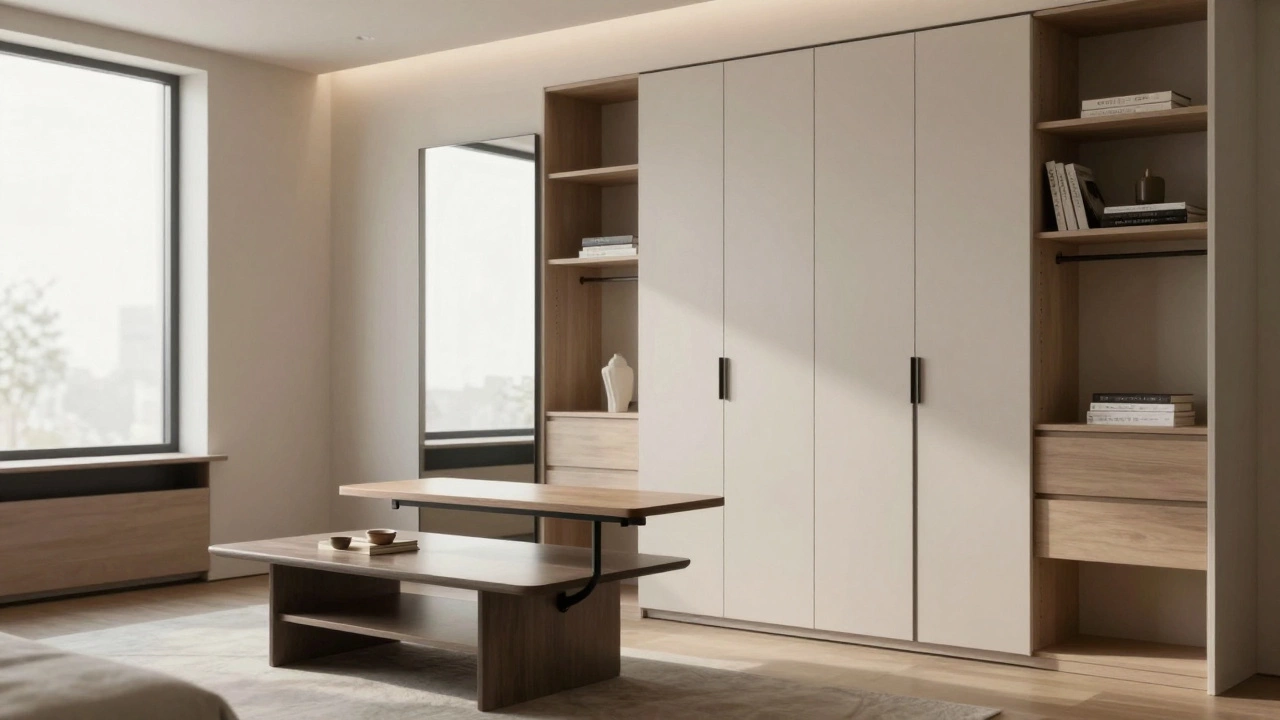
- Vertical Storage: With limited floor area, height becomes your primary storage dimension. Floor-to-ceiling wardrobes reduce clutter on the floor level.
- Multi-Functional Furniture: Instead of a sofa and separate dining table, use a settee with a pull-out bed or a coffee table that lifts into a dining surface.
- Reflective Surfaces: Large mirrors installed opposite windows bounce light, effectively doubling the perceived volume of the room.
- Leggy Furniture: Sofas and tables with exposed legs allow sightlines to pass underneath, preventing the "heavy" feeling of bulky cabinetry.
In 2026, technology has made these constraints easier. Smart home systems hide wires that usually tangle small rooms. Recessed lighting eliminates the need for pendant lamps that intrude on headspace. These elements might cost extra initially, but they preserve the breathing room required for mental comfort in tight quarters.
The Visual Psychology of Size
There is a psychological component to living in 600 square feet that goes beyond measurements. Compac Livinga lifestyle trend involving minimal possessions and efficient use of small spaces relies heavily on color theory and material choice. Light paint colors, specifically whites and soft pastels, reflect ambient light and push walls outward visually. Dark colors absorb light and shrink a room immediately.
Consider the flooring continuity. Many older units used tile borders between rooms. In a small 2BHK, running the same hardwood or laminate plank across the living room, dining nook, and even the hallway creates a seamless flow. Without these visual breaks, the eye travels further, creating an illusion of depth. It tricks the brain into processing the space as larger than the square footage calculator suggests.
However, this visual trickery does not change the physical reality of movement. If three people enter the bathroom, there is nowhere to stand. If a guest comes over while cooking dinner, the galley kitchen blocks access to the living room. Recognizing these bottlenecks early helps you decide if the unit supports your household routine. For a couple, 600 square feet offers ample space to host dinner parties. For a family of four with children needing homework corners, it will likely feel insufficient after the initial novelty wears off.
| Area Type | Typical Dimensions (Approx.) | Suitability |
|---|---|---|
| Master Bedroom | 10' x 14' | Good for Queen Bed |
| Second Bedroom | 8' x 10' | Best as Study/Kids Room |
| Living Area | 12' x 15' | Tight for Sofa + TV Setup |
| Kitchen | 6' x 10' | Galley Style Only |
Maintenance and Utility Realities
Beyond aesthetics, the size impacts monthly bills and maintenance efforts. Heating and cooling 600 square feet costs significantly less than a sprawling house. If you are in a region with harsh winters, say Auckland in July or Seattle in January, the energy savings on insulation loss in such a small envelope are real. However, this thermal efficiency cuts both ways.
With little air volume to buffer temperature changes, heat escapes quickly if doors are open. During summer, if the kitchen window isn't shaded, the entire 600-square-foot unit can turn into an oven within an hour. Ventilation strategies are part of the spatial management here. Cross-ventilation becomes critical, requiring windows on opposing walls to flush out stale air. If the floor plan lacks this feature, you are reliant entirely on mechanical systems.
Cleaning time is another variable. It takes perhaps twenty minutes to sweep and mop 600 square feet compared to hours for a detached home. This frees up weekend time for leisure. Conversely, it also means you spend more time in the shared spaces. There is no retreat to a basement or attic. Everything stays visible, leading to higher pressure on tidiness.
Who Is This Unit For?
Determining who benefits most from this footprint involves matching household demographics to the spatial constraints. Ideally, a 600-square-foot 2BHK suits two distinct scenarios:
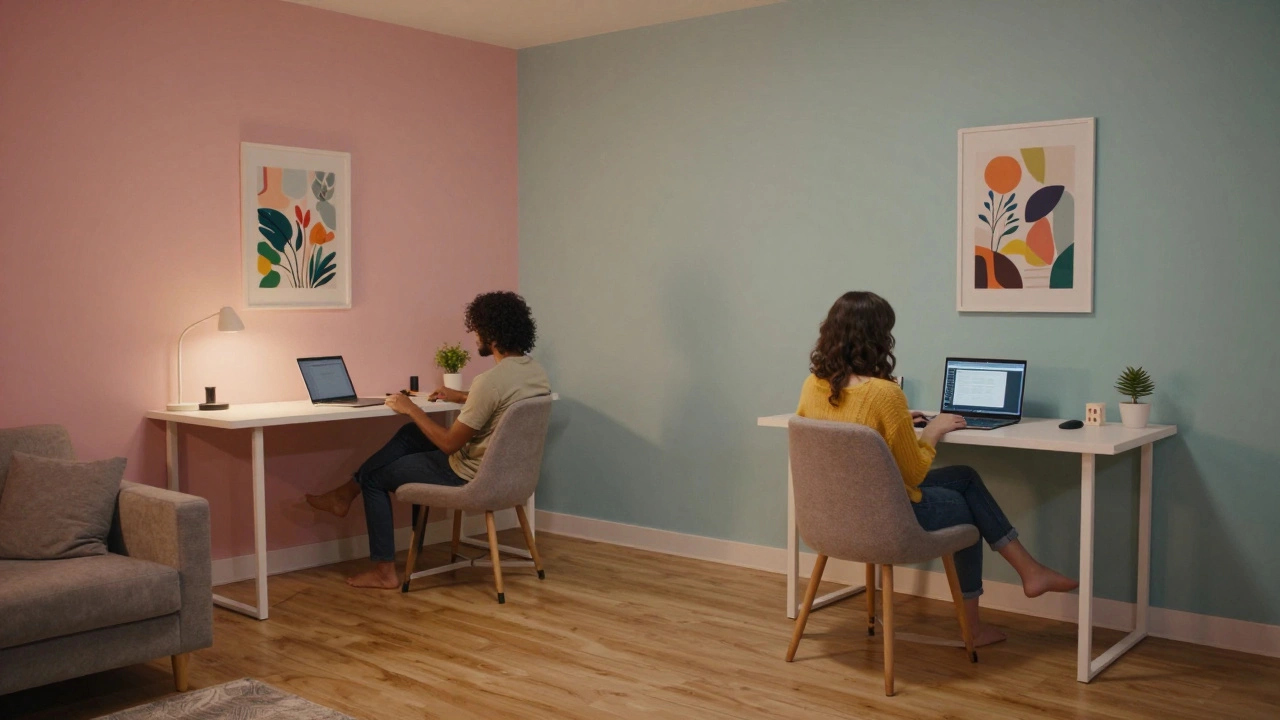
The first scenario is the professional couple. Both partners work remotely or commute, spending significant time outside the home. At night, the two bedrooms offer necessary separation-one for sleep, one for privacy or occasional visitors. They benefit from the central location typical of small units and lower entry prices.
The second scenario is the investor looking for rental yield. Tenants in high-demand city centers prioritize rent affordability over luxury. A well-appointed 2-bedroom unit allows renting out the second room to a third-party tenant, maximizing the return per square foot. This "granny flat" arrangement works in legal contexts where short-term subletting is permitted.
Conversely, young families might find the second bedroom too small for long-term child development needs. As children grow, they need desk space, bookshelves, and playrooms. Condensing all this into a 100-square-foot secondary room limits their independence. It may force them to share desks in the living room, disrupting adult relaxation time.
Future Resale Value
When reselling later, the market dynamics shift. Units in this size range hold value due to liquidity-there are more buyers for affordable starter apartments than for luxury penthouses. However, specific floor plans age differently. A layout with load-bearing columns blocking the living center will struggle to sell against competitors offering flexible open layouts.
If you plan to buy in 2026, ask about the potential for future subdivision or renovation restrictions. Some strata schemes allow merging two small units to form larger ones. Investing in a unit with modification potential adds a hidden equity multiplier. Always review the Body Corporate rules before committing, as strict covenants can render a great renovation idea impossible to execute.
Is 600 square feet enough for two adults?
Yes, for two adults, 600 square feet is generally sufficient if managed well. The key is utilizing vertical storage and ensuring the second bedroom serves as a versatile zone for work or guests rather than permanent clutter.
Can children live comfortably in a 600 sq ft 2BHK?
It depends on the number of children. One child is manageable with careful planning, but multiple children will quickly lead to overcrowding as the second bedroom shrinks and common living areas become noisy play zones.
Does 600 square feet include outdoor balconies?
Often, marketing materials include the balcony in the total square footage. Always verify the "carpet area" versus the "super built-up area." Balconies are valuable but do not provide sheltered living space during rain or cold weather.
How much does heating 600 square feet cost?
Heating costs depend on insulation. Generally, a 600 sq ft unit consumes less energy than larger homes, potentially saving 40% to 50% on winter utility bills compared to a 1200 sq ft dwelling, assuming comparable climate conditions.
Are pets allowed in small 2BHK apartments?
Many 2BHK owners keep cats or small dogs comfortably. Pets thrive indoors in small spaces if given regular walks outdoors. However, larger dog breeds might struggle to move freely in a constrained 600-square-foot interior.