What Increases the Value of a Commercial Property the Most?
Commercial Property Value Multiplier Calculator
Adjust the key value drivers to see how they compound into your property's estimated worth.
| Factor | Contribution |
|---|
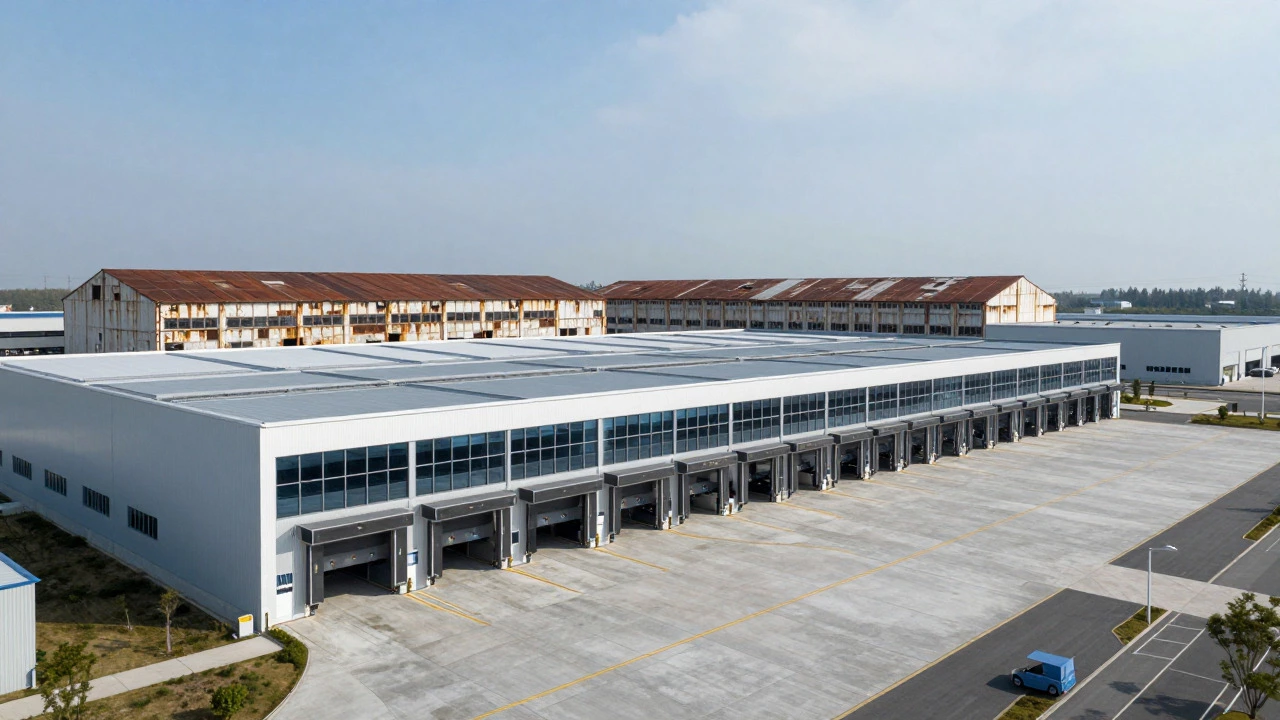
Walking into a dilapidated warehouse in Auckland’s industrial belt versus stepping into a renovated logistics hub with high ceilings and modern loading bays creates two very different valuations. The difference isn't just aesthetic; it's financial. For commercial real estate investors, understanding what drives commercial property value is the difference between holding an asset that stagnates and one that appreciates steadily.
You might think that simply waiting for market growth will do the job. But in the current economic climate, passive holding rarely yields significant returns. Active management and strategic improvements are what truly move the needle. Whether you own a retail strip, an office block, or an industrial unit, there are specific levers you can pull to maximize your asset's worth. Let’s break down exactly which factors have the highest impact on valuation.
Location and Accessibility: The Foundation of Value
No amount of interior design can save a poorly located commercial asset. Location remains the primary driver of commercial real estate prices. However, "location" isn't just about being in a city center. It’s about accessibility, visibility, and proximity to target demographics or supply chains.
- Proximity to Highways: For industrial properties, being within five minutes of a major motorway exit can increase land value by 15-20%. Logistics companies pay a premium for this efficiency.
- Foot Traffic Density: Retail units benefit from pedestrian flow. A corner shop on a busy intersection commands higher rent per square meter than a similar unit set back from the road.
- Zoning Potential: Properties zoned for mixed-use development often carry a higher latent value because they offer future flexibility. If a council plan allows for residential conversion above ground-floor retail, that potential adds significant weight to the appraisal.
In New Zealand, local council plans are public records. Checking the district plan for your area can reveal if upcoming infrastructure projects, like new rail lines or road expansions, are planned nearby. These external factors often boost values before the construction even begins.
Building Condition and Modernization
Beyond location, the physical state of the building is the second most critical factor. Commercial tenants are increasingly demanding modern, energy-efficient spaces. An outdated building with single-glazed windows and poor insulation faces higher vacancy rates and lower rental yields.
Investing in capital works can significantly boost valuation. Here are the upgrades that offer the best return on investment (ROI):
- Energy Efficiency Upgrades: Installing LED lighting, solar panels, or upgrading HVAC systems reduces operating costs for tenants. This makes the property more attractive to ESG-focused corporate tenants who are mandated to reduce their carbon footprint.
- Structural Integrity: Fixing roof leaks, updating electrical wiring, and ensuring compliance with building codes eliminates risk. Lenders and buyers discount assets with known structural issues heavily.
- Flexible Space Layouts: Open-plan offices or adjustable storage racking in warehouses allow for multiple tenant configurations. Flexibility increases the pool of potential buyers and tenants.
A general rule of thumb in commercial appraisal is that every dollar spent on essential maintenance and minor modernization can add $1.50 to $2.00 to the final sale price, depending on the market cycle. Major renovations require a deeper cost-benefit analysis, but keeping the asset "market-ready" is non-negotiable.

Lease Structure and Tenant Quality
For many commercial investors, the property is only as good as its income stream. The lease structure directly impacts how a bank or buyer values the asset. A property with a mix of short-term, variable leases is riskier than one with long-term, fixed-indexed leases.
| Lease Type | Risk Level | Valuation Impact | Buyer Preference |
|---|---|---|---|
| Long-Term Fixed (5+ years) | Low | High Premium | Preferred for stability |
| Short-Term Variable (<2 years) | High | Discounted Value | Requires higher yield to offset risk |
| Anchor Tenant + Satellite Units | Moderate | Stable Base Value | Good balance of security and upside |
Securing a creditworthy anchor tenant, such as a national retailer or a well-known logistics firm, stabilizes the income. This reliability allows investors to apply a lower capitalization rate (cap rate) to the net operating income (NOI), which mathematically results in a higher property value. Conversely, relying on a single small business tenant poses a significant risk; if they leave, the vacancy period could wipe out months of profit.
Compliance and Legal Clarity
Hidden legal issues can kill a deal or drastically reduce the offer price. Ensuring your commercial property is legally clean is a low-cost, high-impact value enhancer.
- Resource Consent Compliance: Ensure the current use of the building matches its resource consent. Operating a factory in a zone zoned for light industry without proper consent can lead to fines or forced cessation of operations.
- Title Search Cleanliness: Any easements, covenants, or encumbrances on the title must be clearly disclosed and understood. Surprises during due diligence often lead to renegotiated offers.
- Health and Safety Standards: Post-pandemic, tenants are more scrutinizing of health and safety protocols. Documented compliance with workplace safety standards reassures prospective tenants and buyers.
In New Zealand, the Resource Management Act is strict. Regularly reviewing your property's compliance status prevents costly surprises when you decide to sell. A clear title and compliant usage status make the asset easier to finance and sell.

Market Timing and Exit Strategy
Even the best-improved property will struggle if sold at the wrong time. Understanding the local market cycle is crucial. In Auckland, for example, industrial land values have surged due to e-commerce growth, while some office sectors face headwinds from hybrid work trends.
Timing your exit involves monitoring:
- Interest Rate Trends: Rising rates cool the market, potentially lowering buyer pools. Selling before a rate hike can secure better pricing.
- Supply and Demand Imbalances: If new supply is entering the market, selling early captures the peak demand. Waiting until the new buildings are occupied may result in price erosion.
- Tenant Turnover Rates: High turnover in a specific sector signals instability. Diversifying your tenant base or targeting sectors with low turnover can stabilize value.
Working with a specialized commercial broker provides access to off-market data and insights that aren't available on public listing sites. They can tell you not just what a property is worth, but when it is worth the most.
Frequently Asked Questions
Does adding extra floor space always increase commercial property value?
Not necessarily. Adding floors requires significant capital and time. If the additional space cannot be leased at a rate that covers the construction cost plus financing interest, the value may not increase proportionally. It depends on market absorption rates for that specific type of space.
Which is more valuable: a prime location with an old building or a secondary location with a new build?
Generally, a prime location with an old building holds more long-term value potential. Location is immutable; you cannot move a building. However, the old building must be structurally sound. If the structure is failing, the location advantage may be negated by the cost of demolition and rebuilding.
How much does energy efficiency affect commercial rental rates?
In the current market, energy-efficient buildings can command 5-10% higher rents. Tenants with corporate sustainability goals actively seek out green-certified spaces to meet their ESG targets, making these assets more liquid and desirable.
Is it better to renovate before selling or let the buyer handle it?
It depends on the scope. Cosmetic updates and fixing defects should be done before selling to avoid negotiation discounts. Major structural renovations are usually better left to the buyer, who can spread the cost over time or include it in their financing. However, ensuring the property is "move-in ready" for tenants maximizes immediate appeal.
How does zoning change affect property value?
Zoning changes can dramatically alter value. Upzoning (allowing higher density or different uses) typically increases value due to development potential. Downzoning (restricting uses) can decrease value if it limits the property's utility. Always monitor local council planning meetings for proposed changes.