What is a 3SLDK Apartment? Meaning, Layout, and Buying Guide
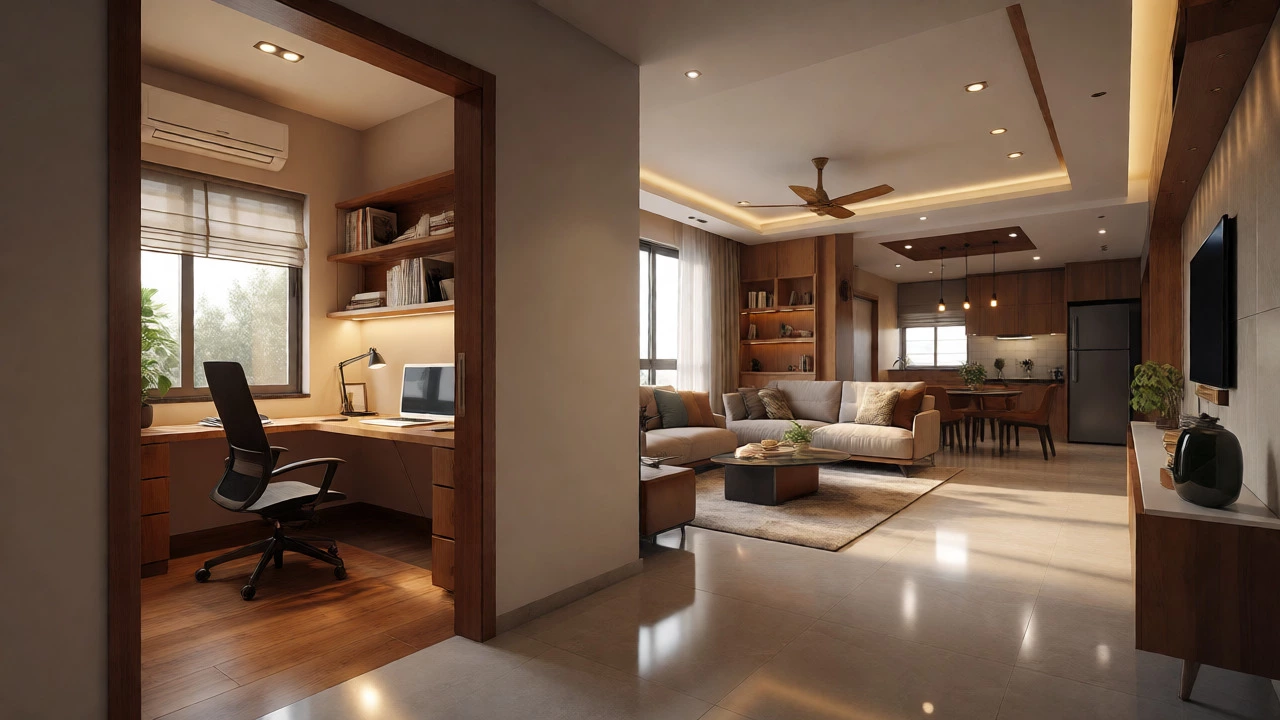
3SLDK vs 3BHK Suitability Calculator
Answer these questions to see if the dedicated study room in a 3SLDK layout offers enough value over a standard 3BHK.
Work & Lifestyle Needs
Space & Budget Preferences
Recommendation Score: 0%
Pros of 3SLDK for You:
Cons/Risks for You:
You’re scrolling through property listings, looking for your next home, and you hit a wall of confusing abbreviations. 2BHK makes sense-two bedrooms, hall, kitchen. But then you see 3SLDK. What does the 'S' stand for? Is it a secret code for something better? Or just marketing fluff to make a standard apartment sound fancy?
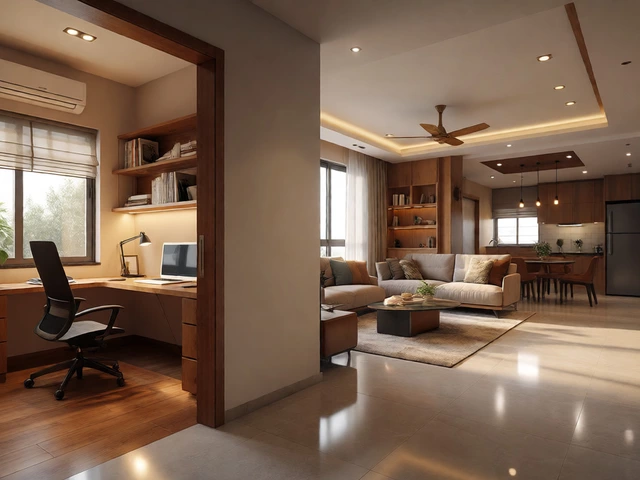
If you’ve ever wondered what a 3SLDK actually offers compared to a 3BHK, you’re not alone. Real estate agents love these acronyms because they save space in headlines, but they can be genuinely misleading if you don’t know the definition. In short, 3SLDK means 3 Bedrooms, Study, Living Room, Dining Room, and Kitchen. The 'S' stands for Study. It’s not just another bedroom; it’s a dedicated workspace or hobby room that changes how you use your floor plan.
This distinction matters more than you might think, especially if you work from home or need extra storage. Let’s break down exactly what this layout looks like, why developers push it, and whether it’s worth the premium price tag.
Decoding the Acronym: SLDK vs BHK
To understand 3SLDK, you first need to look at its sibling, the BHK format. Originating in India but now common globally in high-density housing markets, BHK stands for Bedroom, Hall, Kitchen. A 2BHK is two rooms plus a living area and kitchen. A 3BHK adds a third bedroom.
The SLDK format splits the "Hall" into distinct zones. Here is the literal translation:
- S (Study): A small room, often 80-100 sq ft, designed for reading, working, or as a nursery.
- L (Living): The main lounge area for socializing.
- D (Dining): A specific area for meals, separate from the living room.
- K (Kitchen): The cooking space.
So, a 3SLDK has three full-sized bedrooms, plus a study. This is different from a 3BHK where the third room is usually a full bedroom with a window and closet space suitable for sleeping guests. In many modern apartments, the "Study" in an SLDK layout is actually a converted utility area or a balcony enclosed to create a nook. Always check the floor plan to see if the 'S' has a window. If it doesn’t, it’s effectively a walk-in closet or storage room, not a true study.
Who Actually Needs a Study Room?
You might ask, "Do I really need a fourth room? Can’t I just put a desk in the corner?" That depends entirely on your lifestyle. The rise of remote work has shifted demand from pure sleeping spaces to functional workspaces. Before the pandemic, a study was a luxury. Now, it’s a necessity for professionals who need to close the door during Zoom calls without letting their kids run across the screen.
Consider these scenarios where a 3SLDK outperforms a 3BHK:
- The Remote Worker: You need acoustic separation. A study allows you to shut the door, reducing background noise from the living room.
- The Hobbyist: Maybe you paint, play instruments, or build models. These activities require permanent setups that are annoying to pack away daily.
- The Growing Family: If you have two kids and one works from home, the study becomes the office. When the kids grow up, it converts to a guest room or teen hangout spot.
However, if you rarely work from home and prefer open-plan living, paying for a dedicated study might be wasted money. In those cases, a larger 2BHK with a spacious living area might offer better value per square foot.
Space Efficiency and Design Trade-offs
Here is the catch: adding a fourth room (the study) into the same footprint as a 3BHK means other areas get smaller. Developers often shrink the living room or dining area to fit the study wall in. This leads to a fragmented feel. Instead of one large open space, you have four smaller boxes.
Let’s compare typical dimensions. A standard 3BHK might have a 250 sq ft living room. A comparable 3SLDK might reduce that to 180 sq ft to accommodate a 90 sq ft study. For families who host dinner parties or have young children who need floor space to play, this reduction can feel cramped. Conversely, for individuals or couples, the compartmentalization feels cozy and organized.
| Feature | 3BHK Apartment | 3SLDK Apartment |
|---|---|---|
| Primary Use Case | Families needing 3 sleeping rooms | Professionals needing workspace + 3 sleeping rooms |
| Living Area Size | Larger, open-plan potential | Smaller, segmented zones |
| Ventilation | All bedrooms typically have windows | Study may lack natural light/window |
| Resale Value | Broad appeal to families | Niche appeal to WFH professionals |
| Construction Cost | Standard partitioning | Higher due to extra walls/doors |
Is 3SLDK Worth the Premium?
Developers price 3SLDK units higher than 3BHK units of similar total carpet area. Why? Because they market it as a "premium" configuration. They argue that the flexibility of a study adds value. But does the market agree?
In major urban centers like Mumbai, Delhi, or even growing hubs in New Zealand and Australia, the demand for home offices is real. However, savvy buyers know that a "study" is often just a balcony enclosure. If the study lacks proper ventilation or electrical points for a computer setup, its value drops significantly.
Before signing the deal, calculate the cost per square foot. If the 3SLDK costs 10% more than the 3BHK but only adds 5% more usable space (since the study is small), you’re overpaying for the label. Look for projects where the study is integrated into the master bedroom suite, creating a dressing room/office combo. This maximizes privacy and utility without sacrificing the main living area size.
Common Pitfalls in 3SLDK Listings
Not all studies are created equal. Agents will call any nook a study. Here is how to spot the fakes:
- No Window: If the room has no window, it’s a dark box. Great for storage, terrible for working. Check if there is artificial lighting installed.
- Too Small: Anything under 70 sq ft is barely enough for a desk and chair. You won’t fit shelves or a guest bed.
- Poor Placement: If the study is right next to the kitchen, you’ll smell frying onions during your morning meetings. Proximity to the toilet is also a red flag for noise and hygiene.
- False Walls: Some builders use drywall partitions instead of brick. This reduces soundproofing. Knock on the wall-if it sounds hollow, you’ll hear everything happening outside.
Always visit the show flat. Stand in the proposed study area. Sit at a desk. Try to imagine working there for eight hours. Does it feel claustrophobic? Do you have enough elbow room? Visualizing the daily routine is far more effective than staring at a blueprint.
Alternatives to Consider
If the 3SLDK seems too cramped or expensive, consider these alternatives:
2.5 BHK: Many modern complexes offer a 2BHK with a convertible den. This is essentially a 2BHK with a slightly larger living room that can be partitioned off later. It gives you the option to create a study without committing to a fixed wall.
Open Plan 3BHK: Buy a standard 3BHK and use furniture to define zones. Place a bookshelf between the living and dining areas. Use a glass partition for a home office in the corner of the master bedroom. This keeps the space feeling airy while still providing functionality.
Loft Style Apartments: If height permits, lofts allow you to build a mezzanine level. This creates a separate sleeping or working zone without eating into the ground floor living space. This is particularly popular in converted industrial buildings in cities like Auckland or Brooklyn.
Making the Right Choice for Your Lifestyle
Ultimately, the question isn't just "What is a 3SLDK?" but "Does my life require a fourth room?" Be honest about your habits. Do you actually sit at a desk every day? Or do you sprawl on the couch with a laptop? If it’s the latter, the rigid structure of an SLDK might frustrate you.
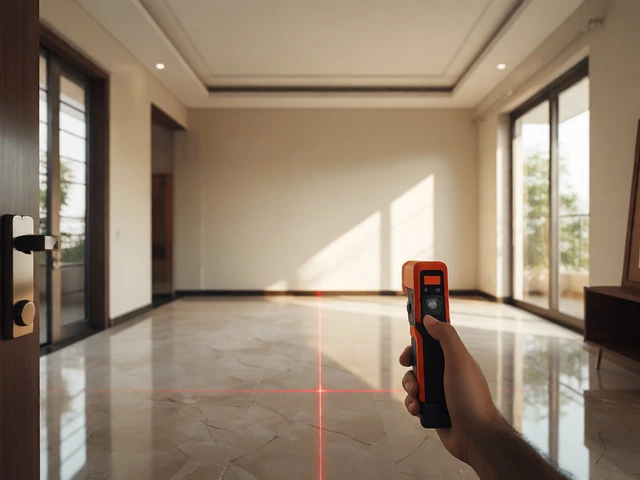
For those who truly need a quiet corner, the 3SLDK is a smart investment. It future-proofs your home against changing work norms. Just ensure the "S" is a genuine, well-ventilated room and not just a marketing trick to pad the listing. Measure twice, buy once.
Can a study room be used as a bedroom?
Yes, but with limitations. Most study rooms in 3SLDK apartments are smaller than standard bedrooms (often 80-100 sq ft). They may lack sufficient closet space or ventilation for long-term sleeping. They are best suited for single occupants, children, or guests staying for short periods. Always check local building codes regarding minimum bedroom sizes for occupancy.
Is 3SLDK more expensive than 3BHK?
Generally, yes. Developers charge a premium for 3SLDK configurations because they market them as having higher utility and flexibility. However, the price difference varies by location. In some markets, the premium is justified by the added construction complexity (extra walls/doors); in others, it is purely branding. Compare the price per square foot of both options before deciding.
What is the difference between 3BHK and 3SLDK?
The key difference is the allocation of space. A 3BHK has three full bedrooms and one combined living/dining area. A 3SLDK has three full bedrooms, a separate study, a separate living room, and a separate dining area. The total square footage may be similar, but the 3SLDK divides it into more distinct zones, whereas the 3BHK offers larger, more open communal spaces.
Does a study room need a window?
Ideally, yes. For a room to function effectively as a study or home office, natural light and ventilation are crucial. A windowless study can feel claustrophobic and may lead to eye strain and poor air quality. If a unit lists a study without a window, verify if it has adequate artificial lighting and mechanical ventilation systems installed.
Is 3SLDK good for rental income?
It depends on the tenant demographic. For corporate tenants or expatriates working remotely, a 3SLDK commands higher rent because it provides a ready-made office. For families with multiple children who need sleeping quarters, a 4BHK or a larger 3BHK might be preferred. Research your local rental market trends to see which configuration yields better returns in your specific neighborhood.