What is a 433 in Real Estate? Understanding the Form

NZ Form 433 Disclosure Checker
Fill out the key sections below to see how your responses might be perceived by a cautious buyer or their lawyer. This tool simulates common pitfalls discussed in the article.
Risk Assessment Result
You’re sitting across from a vendor, or maybe you’re the one trying to sell your house. The paperwork pile looks manageable until someone slides a document across the table titled "Vendor’s Statement on Property Condition," commonly known as the Form 433. It sounds bureaucratic, dry, and honestly, a bit intimidating. But here’s the thing: this single page can make or break a deal faster than any negotiation over price.
If you’ve ever wondered why your agent keeps nagging you to fill out this specific form, or if you’re a buyer staring at it wondering what half the boxes mean, you’re in the right place. In New Zealand, where we operate under the Contract and Commercial Law Act 2017, which replaced the old Contractual Remedies Act, transparency isn’t just nice to have-it’s the law. Ignoring Form 433 doesn’t just annoy lawyers; it exposes sellers to massive liability and gives buyers a legal escape hatch they might not even know about yet.
The Core Purpose of Form 433
Let’s strip away the jargon. What actually is this document? Technically, it’s a declaration made by the seller regarding the physical state and history of the property. Think of it as the medical chart for your house. Before a buyer commits their deposit, they need to know if the roof leaks, if there are unconsented alterations, or if the neighbor’s dog barks at 3 AM every night (okay, maybe not that last one, but material facts matter).
The requirement stems from the principle of caveat emptor (buyer beware), but with a crucial twist in NZ law. While buyers must do their due diligence, sellers cannot actively mislead them. If you hide a known defect, you aren’t just being sneaky; you’re potentially committing a breach of contract that allows the buyer to cancel the sale and sue for damages. Form 433 is the formal mechanism to disclose these issues upfront.
This form covers several critical areas:
- Consents: Have all building work been properly consented and certified?
- Defects: Are there known structural issues, dampness, or pest infestations?
- Services: Details about water, power, and waste connections.
- Tenancy Status: Is the property currently rented, and if so, what are the terms?
Who Fills It Out and When?
The responsibility lies squarely with the seller. Your real estate agent will usually provide the template, often integrated into the digital listing platform or attached to the Agreement for Sale and Purchase. You, as the vendor, must complete it. Do not let an agent guess for you. They don’t live there. They didn’t see the crack in the foundation after the earthquake in 2016. You did.
Timing is everything. Ideally, you should have this completed before you even list the property. Why? Because serious buyers want to see it early. If you wait until the offer stage, you look disorganized. Worse, if you discover a major issue late in the game-say, a hidden leak behind the bathroom wall-you’ve already wasted weeks of marketing time. Updating the form is easy; explaining why you hid something for three months is hard.
For buyers, receiving this form is a green flag. It means the seller is playing by the rules. However, don’t just skim it. Read every line. If a box is ticked "Yes" for defects, ask for photos. If it says "Unknown," treat it as a potential red flag. "Unknown" is not the same as "No." It means the seller hasn’t checked, or worse, doesn’t want to check.
Common Pitfalls: The "I Didn't Know" Defense
Here is where most people get tripped up. Sellers often think, "Well, I didn’t technically know about the asbestos in the ceiling because I never looked inside the walls." That defense rarely holds up in court. The standard is often "reasonable inquiry." If a reasonable person would have noticed the issue, or if previous reports mentioned it, you likely had constructive knowledge.
Consider this scenario: A seller lists a villa in Ponsonby. They mention the garden is lovely but omit that the retaining wall has failed twice in the last five years. The buyer purchases the home. Six months later, during heavy rain, the wall collapses, costing $20,000 to fix. The buyer sues. The seller argues they forgot. The judge looks at maintenance records showing two repairs. The seller loses. Why? Because failing to disclose known material facts is misleading conduct.
Another common mistake is checking "No" for consents when you aren’t sure. Maybe you added a deck ten years ago. Did you get a code compliance certificate (CCC)? If you can’t find the paperwork, do not check "Yes." Check "Unknown" or "No." Checking "Yes" without proof is dangerous. Buyers rely on that tick to secure finance. If the bank finds out there’s no CCC, they might pull the loan, blowing up the deal after you’ve accepted an offer.
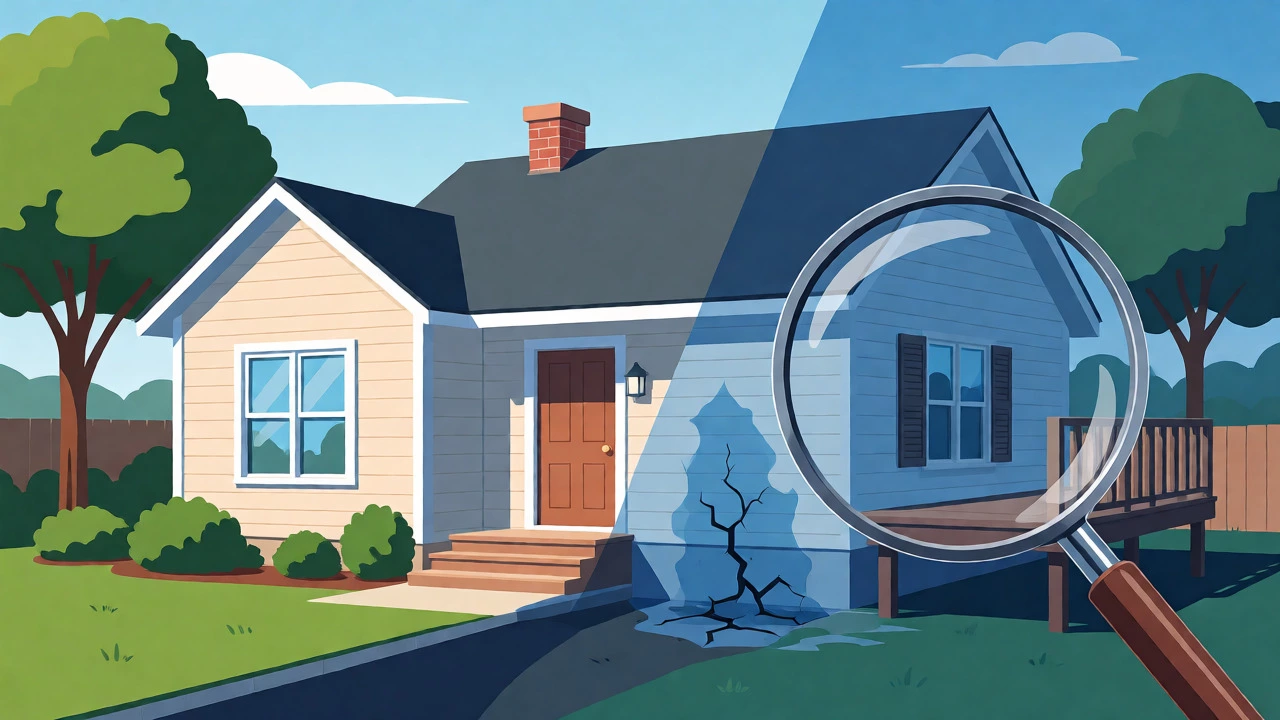
How Form 433 Impacts Your Price and Speed
Believe it or not, a well-filled-out Form 433 can actually help you sell faster. Transparency builds trust. When a buyer sees a detailed, honest statement, they feel safer. They spend less time worrying about hidden surprises and more time imagining living there. This psychological comfort can lead to stronger offers, sometimes even above asking price, because the risk premium is lower.
Conversely, a vague or incomplete form invites scrutiny. Buyers will hire inspectors for everything. They’ll delay making an offer while they chase down documents. This extends your days-on-market count. In a cooling market like Auckland’s current landscape, speed matters. Every week your house sits unsold, the perceived value drops slightly.
Let’s look at how different approaches affect outcomes:
| Seller Approach | Buyer Perception | Likely Outcome |
|---|---|---|
| Detailed & Honest | Trustworthy, low risk | Faster sale, fewer conditions dropped |
| Vague / Minimal | Suspicious, high risk | Lower offers, extended due diligence |
| Misleading / Omitted | Deceptive, very high risk | Deal cancellation, litigation, reputation damage |
Specific Items That Raise Red Flags
Not all disclosures are created equal. Some items trigger immediate concern among buyers and their lawyers. Here are the big ones you need to handle with care:
Unconsented Building Work: This is the number one killer of deals in New Zealand. If you converted a garage into a bedroom without consent, say so. Don’t try to pass it off as "original layout." Lawyers will spot this instantly. If you can’t get consent now, be prepared for a price reduction or a special condition allowing the buyer to pursue regularization post-sale.
Flood Zones and Natural Hazards: With climate change becoming a bigger factor in property valuation, disclosing flood history is vital. Even if your house wasn’t flooded in 2023, if it’s in a zone flagged by local councils, mention it. Buyers are increasingly aware of insurance implications. If they can’t insure the property, they can’t buy it.
Health Hazards: Asbestos, meth contamination, or mold. If you tested for meth and got a result near the threshold, disclose it. If you used asbestos-containing materials in renovations pre-1980s, note it. These aren’t always deal-breakers, but hiding them is.
What Buyers Should Do With the Form
If you’re on the buying side, treat Form 433 as a starting point, not the end of your investigation. Use it to focus your building inspection. If the seller ticks "Dampness," tell your inspector to focus on moisture readings in those specific rooms. If they mark "Unknown" for plumbing age, ask your plumber to investigate further.
Also, compare the form against other documents. Does the floor plan match the description? Do the title deeds align with the consent status claimed? Discrepancies between Form 433 and the LIM (Land Information Memorandum) are common. The LIM is council data; Form 433 is seller memory. Where they conflict, assume the worst and investigate.
Remember, you can negotiate based on this form. If the seller admits to a cracked driveway, you can ask for a credit toward repairs. If they claim the roof is new, ask for the invoice. Leverage the information provided to adjust your offer strategy.

Beyond the Basics: Related Documents
Form 433 doesn’t exist in a vacuum. It works alongside other key documents in a typical NZ property transaction. Understanding how they fit together helps you see the full picture.
The LIM Report provides historical council data. It tells you about past consents, flood risks, and zoning. Form 433 complements this by adding the seller’s personal experience and recent changes that might not be on council records yet.
The Building Inspection Report is the professional assessment. It verifies the claims made in Form 433. If the seller says "no defects," but the inspector finds rotting timber, the inspection overrides the form.
Finally, the Agreement for Sale and Purchase incorporates Form 433 by reference. Once signed, the statements in the form become contractual warranties. This is why accuracy is non-negotiable. A typo here becomes a legal binding statement there.
Practical Tips for Sellers
To wrap up the practical side, here is a quick checklist for vendors filling out this form:
- Gather Records First: Before ticking boxes, dig out your file of invoices, consents, and inspection reports. Having proof ready makes answering questions easier.
- Be Specific: Instead of writing "some cracks," write "hairline cracks in north-facing external plaster, monitored since 2020, no structural movement observed." Detail reduces ambiguity.
- Update Regularly: If something changes during the sales campaign (e.g., a new leak appears), update the form immediately and notify interested parties.
- Consult Your Lawyer: If you are unsure about a legal definition or a complex consent issue, pay for a quick chat with your solicitor. It’s cheaper than litigation.
Final Thoughts
Form 433 might seem like just another piece of paper, but it represents the integrity of the transaction. For sellers, it’s your shield against future lawsuits. For buyers, it’s your map to the property’s true condition. Treat it with respect, fill it out thoroughly, and use it to build trust rather than hide problems. In the long run, honesty pays better than omission.
Is Form 433 legally required in New Zealand?
While not explicitly mandated by statute in the same way a title transfer is, it is a standard requirement in the ADLS (Auckland District Law Society) Agreement for Sale and Purchase. Failure to provide accurate information can lead to breaches of the Fair Trading Act and common law misrepresentation claims, making it effectively mandatory for a smooth transaction.
What happens if I forget to declare a defect on Form 433?
If a buyer discovers an undeclared material defect after settlement, they may seek compensation for repairs or, in severe cases, attempt to unwind the sale. The success depends on whether the defect was "material" (significant enough to influence the decision to buy) and whether you acted negligently or intentionally.
Can I refuse to fill out Form 433?
You can technically refuse, but it raises huge red flags for buyers and their lawyers. Most agents will insist on it because it protects everyone involved. Refusing to complete it often leads to lower offers or buyers walking away entirely due to perceived risk.
Does Form 433 cover tenant issues?
Yes, it includes sections on tenancy status. If the property is tenanted, you must disclose details such as rent arrears, bond amounts, and any ongoing disputes. Buyers purchasing investment properties rely heavily on this section to assess income stability.
How far back do I need to disclose consents?
Generally, you should disclose any significant building work done during your ownership. For older properties, if you inherited the lack of consent from a previous owner, you should still note it if you were aware of it. The goal is to inform the buyer of the current legal status of the structure, regardless of who built it.