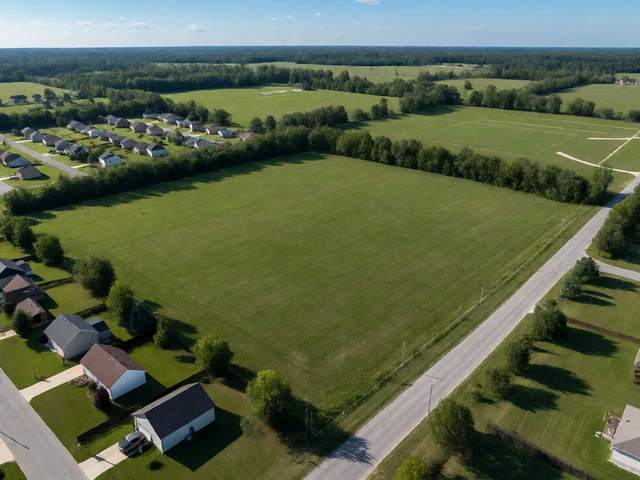
What is considered a homeowner? Defining ownership rights and responsibilities
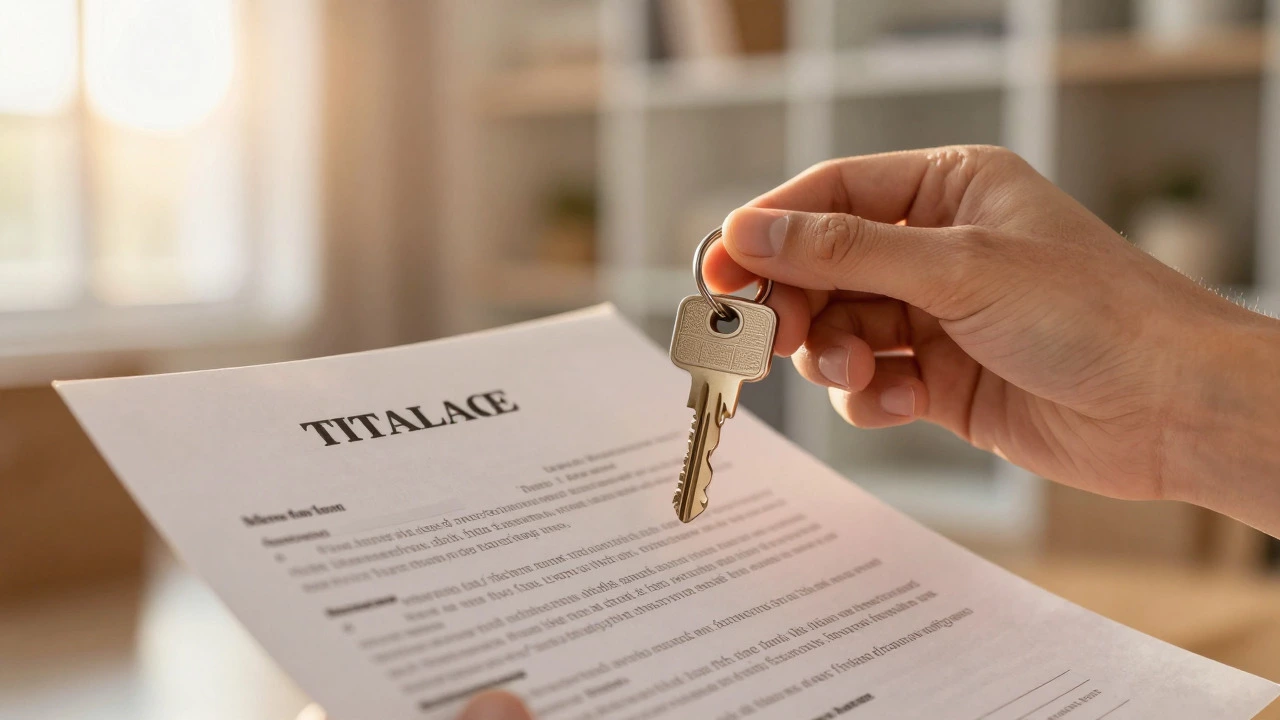
Homeowner Status & Equity Calculator
Many people confuse legal ownership with financial freedom. This tool helps you distinguish between holding the Title Deed (being a homeowner) and having positive Equity (owning value outright).
Note: Legal definitions vary by jurisdiction, but generally, if your name is on the Title Deed, you are a homeowner regardless of mortgage status.
Calculated Equity:
Why does this matter?
- Taxes: Owner-occupiers often get homestead exemptions or capital gains exclusions that investors do not.
- Rights: Only those on the Title can sell the property or refinance without co-owner consent.
- Negative Equity: If your loan exceeds your home's value, you still own it legally, but you cannot access cash from it or may need to bring cash to close a sale.
You paid the deposit. You signed the contract. The keys are in your hand. But does that make you a homeowner? For many people, the line between "buying a house" and "being a homeowner" feels blurry. Is it when you move in? When you pay off the last cent of the mortgage? Or is it something else entirely?
The truth is, "homeowner" isn't just a feeling-it's a specific legal and financial status. And getting this wrong can cost you money on taxes, insurance premiums, and even your voting rights in local elections. Whether you're looking at your first property or trying to understand where you stand after years of payments, knowing exactly what defines a homeowner matters.
| Status | Legal Title | Primary Purpose | Tax Implications |
|---|---|---|---|
| Owner-Occupier | Held by individual/couple | Living in the property | Often exempt from certain capital gains; eligible for homestead exemptions |
| Investor/Non-Resident Owner | Held by LLC or individual | Renting out for profit | Deductible expenses; subject to rental income tax |
| Leaseholder | Right to occupy only | Living in property (time-limited) | No equity build-up; ground rent applies |
The Legal Definition: It’s About the Title Deed
Let’s cut through the noise. Legally speaking, being a homeowner has nothing to do with how long you’ve lived there or whether you have a mortgage. It comes down to one document: the Title Deed or Certificate of Title. This is the official record held by the land registry office (like Land Information New Zealand here in Auckland) that proves who owns the land and any buildings on it.
If your name is on the title, you are a homeowner. Period. Even if you have zero dollars in equity because you bought at the peak and prices dropped, you still hold the legal interest in the property. Conversely, if you live in a house owned by your parents but your name isn’t on the deed, you are technically an occupant, not a homeowner, regardless of who pays the power bill.
This distinction triggers specific rights. As a titled owner, you have the right to sell the property, remortgage it, or leave it to heirs. An occupant without title generally cannot force a sale or take out a loan against the asset. If you’re unsure, check your local land registry online. In New Zealand, for example, you can search the LINZ database to see exactly who holds the fee simple estate.
Mortgages Don’t Stop You From Being a Homeowner
A common myth is that you aren’t a "real" homeowner until the bank stops holding the keys. This confuses ownership with debt-free status. When you buy a house with a mortgage, you still own the property. The bank holds a Lien-a legal claim against the property as security for the loan.
Think of it like a car loan. If you finance a Toyota Hilux, you drive it, you insure it, and you can paint it pink if you want (mostly). You are the owner. The lender just has a safety net. If you default, they take the car. Until then, you are the registered keeper and owner.
This matters for practical reasons:
- Insurance: Mortgage lenders require you to carry comprehensive building insurance. They don’t insure it themselves; you do. This reinforces your role as the responsible party.
- Repairs: You are legally responsible for maintaining the structure. If the roof leaks, the bank won’t fix it. You will.
- Voting Rights: In many jurisdictions, including parts of Australia and the US, being on the title allows you to vote in local body elections related to zoning or rates, even if you haven’t paid off the debt.
So, stop waiting for that final mortgage payment to feel like an owner. You already are. The mortgage is just a financial tool, not a barrier to status.
Equity vs. Ownership: Where the Confusion Lies
If you own the title, why do some people say they "don’t really own" their house yet? They’re talking about Equity. Equity is the portion of the property value you actually own outright, calculated as the current market value minus any outstanding debts secured against it.
Here is the formula most banks use:
Equity = Current Market Value - Outstanding Loan Balance
If your house is worth $800,000 and you owe $700,000, you have $100,000 in equity. You are still a homeowner, but your financial stake is small. If prices drop by 15%, your equity could vanish, putting you in a negative equity position (owing more than the house is worth). While this doesn’t change your legal status, it drastically changes your options. You might not be able to refinance, borrow against the home, or sell without bringing cash to the table.
Real-world scenario: Sarah buys a unit in Ponsonby for $600k with a 10% deposit ($60k). After two years, she owes $540k, and the unit is now worth $620k. Her equity is $80k. She is a homeowner. She can access that $80k via a top-up loan if needed. Compare this to John, who bought at the same price but the market crashed. He owes $540k, but the unit is now worth $500k. He has negative equity. He is still a homeowner, but he’s trapped until values recover or he pays down the principal.

Types of Homeownership Structures
Not all homeownership looks the same. How you hold the title affects your control and liability. Here are the three main ways people become homeowners:
Sole Ownership
This is straightforward. One person’s name is on the title. That person has full control over selling or mortgaging the property. No spousal consent is needed unless required by specific relationship property laws (which vary heavily by country).
Joint Tenancy
Common among married couples. If one owner dies, their share automatically passes to the surviving joint tenant(s). This bypasses the will. It’s clean, simple, and ensures the survivor keeps the home without probate delays. However, you can’t leave your half of the house to a child from a previous marriage without severing the joint tenancy first.
Tenancy in Common
Used often by friends buying together or blended families. Each person owns a distinct percentage (e.g., 50/50, or 70/30). If one owner dies, their share goes to whoever is named in their will, not automatically to the co-owner. This offers more flexibility for estate planning but requires clearer agreements on decision-making.
Choosing the right structure is part of becoming a smart homeowner. It’s not just about paying the mortgage; it’s about defining who controls the asset.
Homeowner Responsibilities You Can’t Ignore
With the title comes the burden. Being a homeowner means you are the ultimate risk manager for that asset. Renters call the landlord when the heater breaks. Homeowners call the plumber-and pay the invoice.
Key responsibilities include:
- Rates and Taxes: Local council rates are mandatory. Failure to pay can lead to penalties or even forced sales in extreme cases.
- Maintenance and Repairs: You must keep the property habitable and safe. Neglect can lower your property value and lead to fines if it becomes a public nuisance.
- Compliance: If you renovate, you need building consents. Doing work without them can cause massive headaches when you try to sell later.
- Insurance: You need both building insurance (for the structure) and contents insurance (for your stuff). Standard policies often exclude flood or earthquake damage, so check your coverage carefully.
Many new owners underestimate these costs. A good rule of thumb is to budget 1-2% of the property’s value annually for maintenance and repairs. On an $800k home, that’s $8,000-$16,000 a year. It’s not just a mortgage payment; it’s a lifestyle commitment.
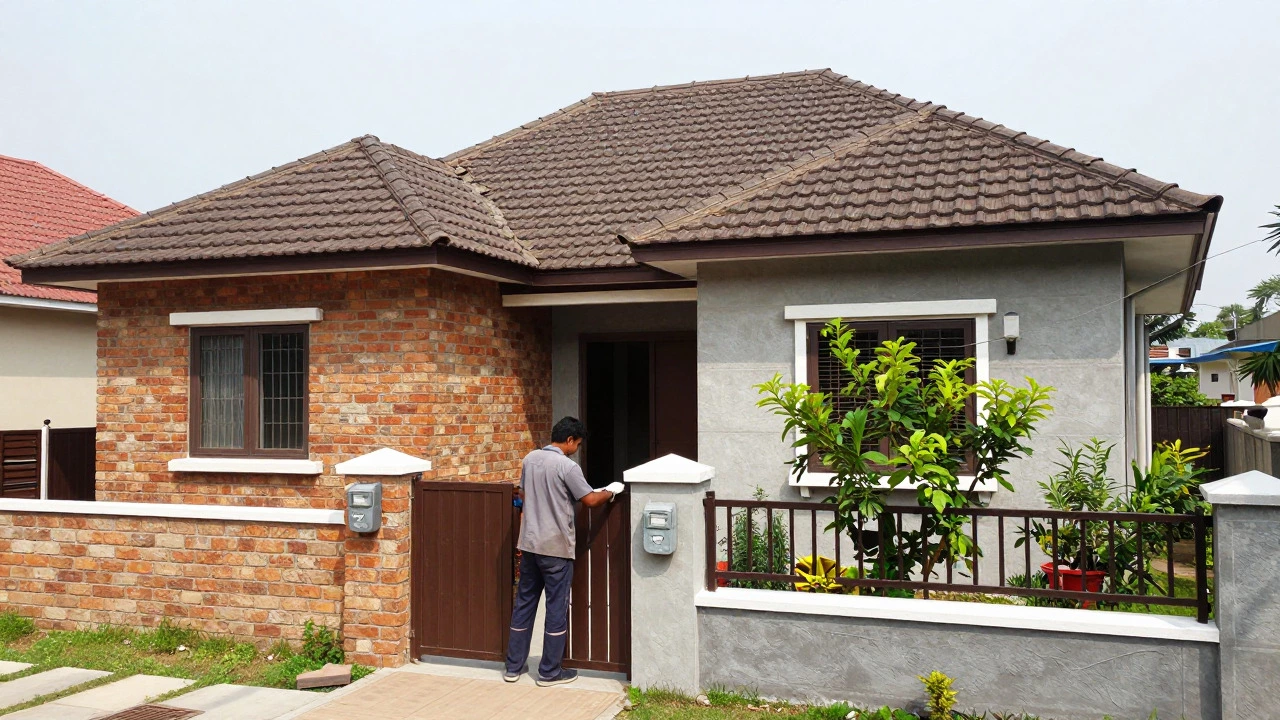
How to Prove You Are a Homeowner
Sometimes you need to prove your status quickly-for school enrollment, visa applications, or opening utility accounts. What counts as proof?
- Certificate of Title: The gold standard. Get a copy from your lawyer or the land registry website.
- Mortgage Statement: Shows your name and the address, linking you to the debt secured on the property.
- Utility Bills: Gas, electricity, or water bills in your name at that address. These show occupancy but not necessarily ownership.
- Insurance Policy: Your building insurance policy will list you as the insured party.
Note that a lease agreement is not proof of homeownership. If you’re renting, you’re an occupant. If you’re subletting a room in your own house, you’re still the homeowner.
Special Cases: Trusts and Companies
In places like New Zealand and Australia, many properties are held in family trusts or companies. Who is the homeowner then?
Legally, the trust or company owns the property. The individuals (beneficiaries or directors) do not hold the title directly. However, for practical purposes, if you live in the house and the trust allows you to reside there rent-free, you are often treated as the homeowner for community and social benefits. But for tax purposes, the rules are stricter. Income earned from renting out a trust-owned property is taxed differently than personal investment property.
If you’re considering moving your home into a trust, talk to a tax advisor. It protects assets but complicates your "homeowner" status regarding first-home grants or stamp duty concessions, which often require the buyer to be an individual, not a trust.
Do I need to pay off my mortgage to be considered a homeowner?
No. You are considered a homeowner as soon as your name is on the legal title deed, regardless of whether you have a mortgage. The mortgage is simply a debt secured against the property, but you retain ownership rights such as selling, renovating, and living in the home.
Can I be a homeowner if I live abroad?
Yes. Physical presence does not determine ownership. If your name is on the title deed, you are a homeowner. However, tax residency rules may apply, meaning you might still owe income tax on rental earnings or face different capital gains treatments depending on your country of residence.
What is the difference between a homeowner and a leaseholder?
A homeowner owns the land and building indefinitely (freehold). A leaseholder owns the right to live in the property for a fixed period (e.g., 99 years) but does not own the land itself. Leaseholders usually pay ground rent and service charges, whereas homeowners pay council rates and maintain the entire structure.
Does adding a partner to the title make them a homeowner?
Yes. Once a partner is added to the title deed, they become a legal co-owner. This gives them equal rights to sell or mortgage the property (depending on the type of joint ownership) and typically makes them liable for the mortgage debt as well. It also affects relationship property laws in divorce scenarios.
Are squatters considered homeowners?
Generally, no. Squatters occupy property without legal title. In some jurisdictions, after a very long period of continuous, open occupation (often 10+ years), a squatter may claim ownership through adverse possession. Until that legal process is complete and the title transfers, they are occupants, not homeowners.