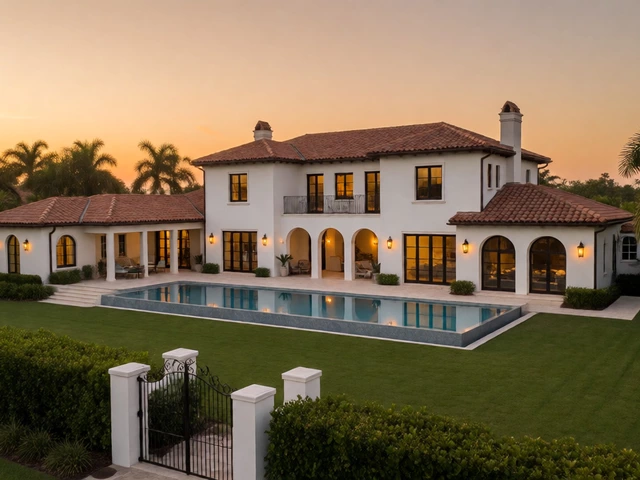
How Much Does a Villa Cost in the USA? 2026 Price Guide
Villa Total Cost of Ownership Calculator
Enter your potential villa details to estimate monthly and annual ownership costs beyond just the purchase price.
Property Details
Location & Features
Estimated Monthly Ownership Cost
TierMonthly Breakdown
Annual Overview
Annual Total: $0
Cash Flow Needed: Ensure you have reserves for at least 6 months of these payments.
Note: This excludes utilities, internet, and personal staff wages. Luxury villas often require higher utility bills due to size.
Villa Tier Assessment:
Based on price and features, this property falls into the...
You see those sprawling estates on Instagram or in movies-private pools, ocean views, and enough square footage to host your entire extended family-and you wonder: what does that actually cost? The answer isn't a single number. It’s a range so wide it could make your head spin. A "villa" in the USA can mean anything from a modest two-story home with a nice yard in Florida to a $50 million mansion on a private island in Maine. As of late 2026, the median price for a luxury detached home hovers around $1.2 million, but true villas-those with premium amenities, large lots, and architectural distinction-start closer to $3 million and climb into the stratosphere.
Why such a gap? Because "villa" isn't a strict legal classification in American real estate like "condo" or "single-family home." It’s a marketing term. Builders use it to signal luxury, space, and privacy. So when you ask how much a villa costs, you’re really asking about location, size, and features. Let’s break down the real numbers so you know exactly where your budget lands.
Defining What Counts as a Villa
Before we talk dollars, we need to agree on what we’re buying. In Europe, a villa is often a specific type of country house. In the US, it’s looser. Generally, if a property has these traits, sellers will call it a villa:
- Size: Usually over 3,500 square feet, often exceeding 5,000.
- Lot: Significant land area, whether rural acreage or a gated community plot.
- Amenities: Pools, spas, guest houses, smart home tech, or high-end finishes.
- Architecture: Distinctive design, often Mediterranean, Modern, or Colonial Revival styles.
If you’re looking at a standard suburban tract home with a small backyard, don’t expect villa pricing-even if it’s big. You’re paying for exclusivity and lifestyle, not just bricks.
The National Average vs. Reality
National averages are misleading here. The US Real Estate Market is fragmented. While the median existing-home price sits near $400,000, the median for properties labeled "luxury" or "estate" is significantly higher. Data from major listing platforms suggests that entry-level villas-think 4-bedroom homes with upgraded kitchens and basic pool access in non-coastal states-start around $850,000 to $1.5 million.
Move up to mid-tier villas, which feature custom designs, larger lots (1+ acres), and premium locations in suburbs of major cities, and you’re looking at $2 million to $5 million. True trophy properties, with waterfront access, historical significance, or celebrity proximity, start at $10 million and have no ceiling.
| Villa Tier | Price Range | Typical Features | Common Locations |
|---|---|---|---|
| Entry-Level | $850k - $1.5M | 3-4 Beds, 2-3 Baths, Small Pool, Suburban Lot | Florida, Texas, Arizona |
| Mid-Tier | $2M - $5M | 5+ Beds, Custom Kitchen, Guest Suite, Gated Community | California, New York Suburbs, Colorado |
| Luxury | $5M - $15M | Waterfront, Home Theater, Gym, Smart Automation | Miami, Los Angeles, Hamptons |
| Trophy/Ultra-Luxury | $15M+ | Private Beach, Vineyard, Historic Status, Staff Quarters | Aspen, Malibu, Palm Beach, NYC |
Location Is Everything
You can buy a massive, beautiful home in Ohio for the price of a condo in San Francisco. Location drives value more than any other factor. Here’s how different regions stack up for villa buyers in 2026.
Sun Belt States: Florida, Texas, Arizona
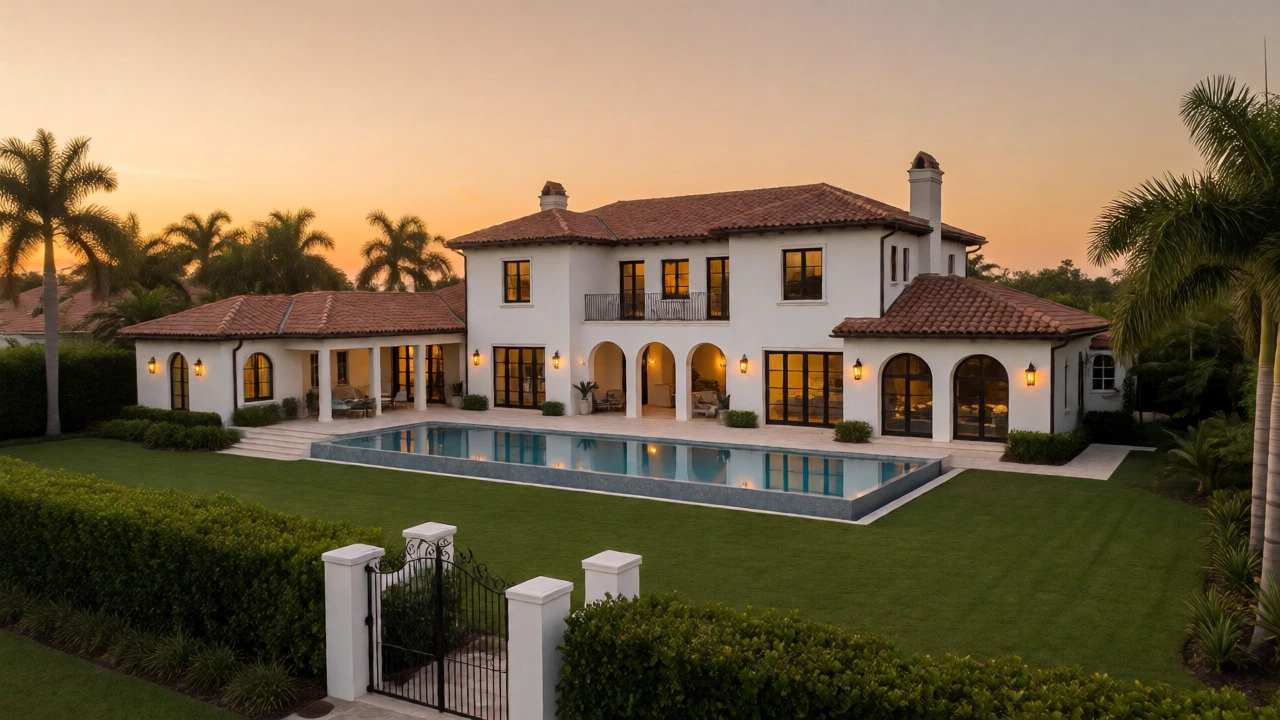
This is the sweet spot for many international and domestic buyers. No state income tax in Florida and Texas helps. Villas here are abundant because land is cheaper. In Miami, you’ll pay a premium for water views, but inland areas like Coral Gables offer stunning Mediterranean-style villas for $3-$6 million. In Dallas or Houston, you can get a 6,000-square-foot modern villa on an acre for under $2 million. Arizona, particularly Scottsdale, offers resort-style living with golf course frontage starting around $1.5 million.
West Coast: California and Washington
California remains the most expensive market for villas. In Los Angeles, neighborhoods like Bel Air or Beverly Hills see average villa prices well above $10 million. However, look slightly outside the hotspots-like Calabasas or Newport Beach-and you can find luxury villas in the $4-$7 million range. Northern California, including Marin County and Napa Valley, offers vineyard estates that blend agriculture with luxury living, typically costing $5 million plus.
East Coast: New York, Massachusetts, Virginia
New York City is tricky. Most "villas" are townhouses or penthouses, not standalone estates. If you want a true villa, you go to the Hamptons or Westchester. A decent beachfront villa in the Hamptons starts at $8 million. In Boston, Newton and Wellesley offer historic colonial villas for $3-$5 million. Virginia, particularly around Richmond and Charlottesville, provides historic estates with significant land for $1.5-$3 million, offering great value compared to coastal markets.
Mountain West: Colorado and Utah
For ski enthusiasts, Aspen and Vail command top dollar. A mountain villa with ski-in/ski-out access rarely dips below $10 million. But nearby towns like Park City, Utah, or Jackson Hole, Wyoming, offer comparable luxury for $5-$8 million. These properties often include rugged land features-mountain views, forests-that add intangible value.
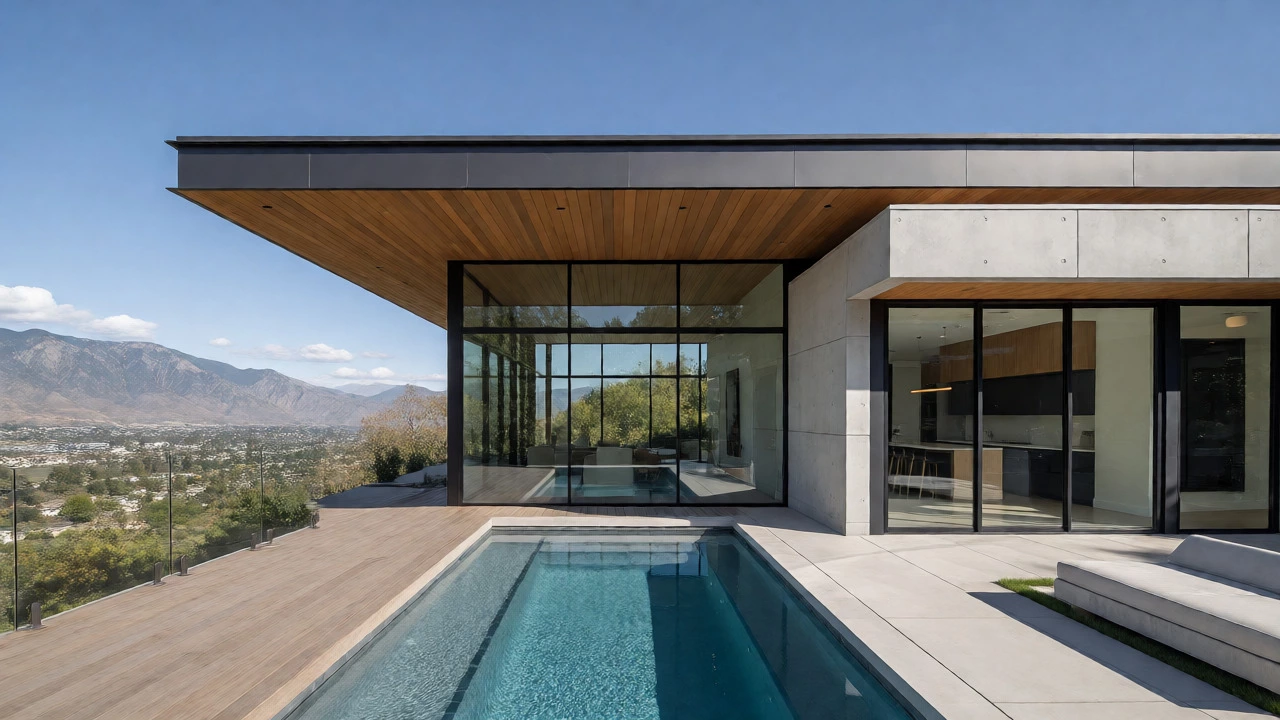
Hidden Costs Beyond the Sticker Price
Buying a villa isn’t just about the mortgage. Luxury properties come with luxury maintenance bills. Ignoring these can blow your budget faster than the purchase price itself.
Property Taxes: This varies wildly by state. New Jersey and Illinois have some of the highest effective property tax rates in the nation, sometimes exceeding 2%. On a $2 million villa, that’s $40,000 a year. Texas also has high taxes, though homestead exemptions help. Florida has no state income tax, but its property taxes can still be substantial depending on the county.
HOA Fees: Many villas sit within gated communities or master-planned developments. HOA fees cover landscaping, security, and amenity access. Expect to pay anywhere from $500 to $3,000 per month. In ultra-luxury communities like Indian Creek Island in Miami, fees can exceed $10,000 monthly for services like private ferry access and 24/7 patrol.
Maintenance and Upkeep: A 5,000-square-foot home needs regular care. Pool maintenance alone runs $200-$500 a month. Landscaping for an acre might cost $1,000 a month. HVAC systems in large homes require professional servicing twice a year, costing $500-$1,000 per visit. Budget at least 1% of the home’s value annually for repairs and replacements. For a $3 million villa, that’s $30,000 a year.
Insurance: Standard homeowners insurance won’t cut it. You’ll need specialized coverage for high-value items, art collections, or flood zones. Coastal villas face higher premiums due to hurricane risk. Expect to pay $5,000-$15,000 annually for comprehensive policies on multi-million-dollar homes.
Financing a Villa Purchase
Most buyers assume they need cash. Not true. Jumbo loans allow financing above conforming loan limits. As of 2026, the conforming limit is roughly $806,500, so any villa above that requires a jumbo mortgage. These loans aren’t harder to get, but they demand stricter criteria.
Lenders typically require a credit score of 720+, low debt-to-income ratios (under 43%), and significant reserves-often 6-12 months of payments held in liquid accounts. Down payments usually start at 20%, but for luxury properties, banks often prefer 30-40% to mitigate risk. Interest rates on jumbo loans track closely with conventional rates, sometimes even lower due to competition among lenders.
Consider portfolio loans if you have complex assets. Some banks will lend against your stock portfolio or business equity rather than just your salary. This flexibility is crucial for entrepreneurs whose income fluctuates.

Is Buying a Villa Worth It?
It depends on your goals. If you want rental income, villas can perform well in vacation hotspots like Orlando or Lake Tahoe. Short-term rental regulations vary, so check local laws. In some areas, Airbnb restrictions limit profitability. Long-term rentals of villas yield lower percentage returns than apartments but offer stability and less turnover hassle.
For personal use, the value lies in quality of life. Privacy, space, and customization matter. But remember: liquidity is low. Selling a $5 million villa takes longer than selling a $300,000 starter home. The buyer pool is smaller. Plan to hold the property for at least 5-7 years to offset transaction costs and market fluctuations.
How to Find the Right Villa
Don’t rely solely on Zillow or Redfin. Luxury listings often move off-market before hitting public sites. Work with a buyer’s agent who specializes in high-end real estate. They have access to exclusive networks and can alert you to pocket listings.
Visit properties in person. Photos lie. A spacious room in a photo might feel cramped in reality. Check noise levels, neighbor proximity, and sun exposure. Hire a specialist inspector familiar with luxury builds-they’ll catch issues with smart home wiring, pool equipment, or structural nuances that general inspectors miss.
Finally, negotiate hard. Sellers of luxury homes often overprice initially, expecting haggling. With inventory rising in some markets as interest rates stabilize, buyers have regained leverage. Don’t be afraid to walk away. There’s always another villa.
What is the cheapest state to buy a villa?
States like Texas, Tennessee, and Indiana offer the most affordable luxury villas. You can find high-quality, large-lot homes with premium finishes for under $1 million. These areas benefit from lower property taxes and land costs compared to coastal hubs.
Do villas appreciate faster than regular homes?
Not necessarily. Luxury real estate tends to be less volatile during downturns but may appreciate slower during booms compared to middle-market homes. Location matters more than asset class. A prime-location villa in a growing city will outperform a mediocre villa in a stagnant one.
Can foreigners buy villas in the USA?
Yes, there are no citizenship requirements to buy property in the US. However, financing can be harder without a US credit history. Foreign buyers often pay cash or secure specialized foreign national mortgages, which may require larger down payments (30-50%) and higher interest rates.
What are typical closing costs for a villa?
Expect to pay 2-5% of the purchase price in closing costs. This includes title insurance, attorney fees, inspection fees, and lender charges. In some states, transfer taxes apply. Always budget extra for these non-recoverable expenses.
Are HOA fees worth it for villas?
Often yes. They maintain common areas, provide security, and enforce aesthetic standards that protect your property value. However, review the HOA’s financial health and rules carefully. Restrictive covenants can limit renovations or rental options, which might affect resale value.