Villa vs Duplex: Key Differences in Layout, Privacy, and Investment Value

Villa vs Duplex Lifestyle Matcher
Tell us about your needs
The Villa
Based on your preferences
Villas offer the privacy and land control you prioritized.
Why this fits:
- ✔ Detached structure ensures maximum noise isolation.
- ✔ Larger title supports long-term capital appreciation.
- ✔ Full control over exterior maintenance and renovations.
Picture this: you’re standing on a front porch. To your left is a sprawling standalone home with a massive backyard where the kids can run wild. To your right is a sleek, modern unit attached to its neighbor by a shared wall, sitting on a smaller but manageable patio. Both look like great places to live. So, which one is actually right for you? The answer isn’t just about aesthetics; it’s about how you want to spend your money, your time, and your weekends.
The debate between villas and detached or semi-detached luxury homes offering high privacy versus duplexes and two-unit properties sharing a common wall, often split vertically or horizontally is one of the most common questions buyers face. Whether you are looking for a forever home or an investment vehicle, understanding the structural, financial, and lifestyle differences is crucial. Let’s break down exactly what separates these two property types so you can make a decision that fits your life, not just your budget.
Defining the Structures: What Are You Actually Buying?
Before we talk about price tags, we need to get clear on the architecture. Confusion here leads to bad decisions later. A villa, in the context of modern real estate-especially in markets like Auckland or tropical destinations-is typically a detached house. It stands alone on its own plot of land. Even if it’s part of a larger gated community, the structure itself does not share walls with other private residences. You have four sides of exterior walls. This means noise from neighbors is minimal, and you control the entire exterior maintenance.
A duplex, on the other hand, is defined by connection. It is a single building divided into two separate living units. These units might be stacked (one on top of the other) or side-by-side. The critical feature is the party wall. This shared wall connects your home to another household. In some cases, a duplex is owned by one person who lives in one half and rents out the other. In others, each unit has a separate owner. This structural difference dictates almost everything else about the ownership experience.
Privacy and Lifestyle: The Sound Barrier Test
Let’s talk about the elephant in the room: noise. If you work from home, have young children, or simply value quiet evenings, the physical separation of a villa is a massive advantage. Because villas are detached, sound transmission is limited to what comes through windows or fences. You don’t hear your neighbor watching TV at midnight because they aren’t pressing their ear against your bedroom wall.
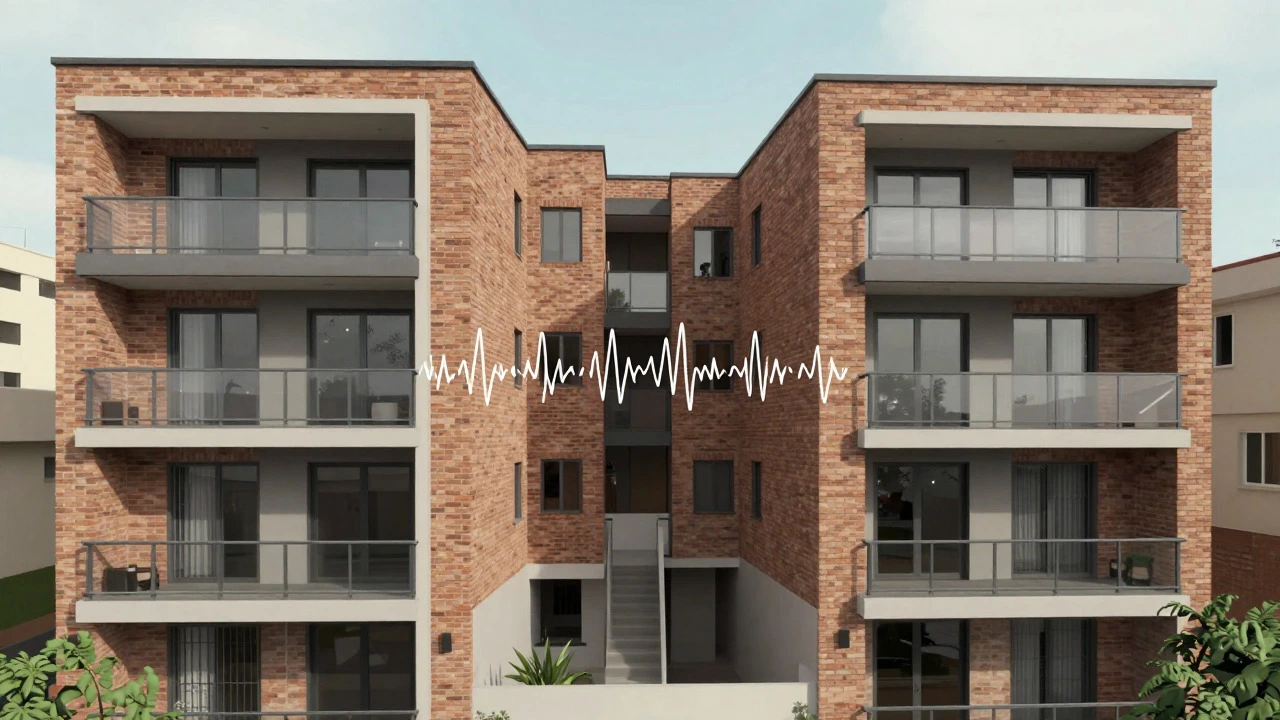
In a duplex, the party wall changes the dynamic. Even with modern insulation standards, sound travels. Footsteps upstairs, bass from a speaker downstairs, or even conversations can bleed through. This isn’t to say duplexes are noisy disasters; many are built with high-quality acoustic dampening. But you will always be more aware of your neighbor than in a villa. For renters, this might be acceptable. For owners planning to stay for decades, that lack of absolute isolation can feel restrictive over time.
Then there’s the outdoor space. Villas usually come with significantly larger yards. Think gardens, pools, or space for a workshop. Duplexes often have smaller, shared courtyards or individual patios that are fractionally sized compared to a villa’s lot. If your weekend hobby involves landscaping or hosting large BBQs, the villa’s footprint supports that lifestyle naturally. The duplex requires you to compromise on space.
Financial Breakdown: Upfront Costs and Hidden Fees
Money talks, and it speaks differently for these two property types. Generally, villas command a higher purchase price per square meter. You are paying for the land, the exclusivity, and the detachment. In competitive markets, this premium can be substantial. However, you also gain full control over your asset. There are no strata fees (also known as body corporate or homeowners association fees) for maintaining shared structures because there are none.
Duplexes often present a lower entry price point. They are frequently marketed as affordable housing options for first-time buyers. But look closer at the monthly costs. If the duplex is part of a strata scheme, you will pay quarterly fees for maintaining roofs, driveways, and shared walls. These fees can rise unexpectedly. On the flip side, if you buy a duplex where you live in one unit and rent the other, the rental income can offset your mortgage. This "house hacking" strategy is rarely possible with a standard villa unless you build a secondary dwelling, which involves complex council approvals and construction costs.
| Feature | Villa | Duplex |
|---|---|---|
| Purchase Price | Higher (Premium for land/detachment) | Lower (More accessible entry) |
| Maintenance Responsibility | 100% Owner | Shared (Strata/Body Corporate) |
| Rental Potential | Low (Unless ADU added) | High (Built-in second unit) |
| Land Appreciation | Strong (Larger title) | Moderate (Smaller title/share) |
Maintenance: Who Fixes the Roof?
This is where many new buyers get caught off guard. In a villa, you are the general manager of your property. The gutter clogs? You call a cleaner. The fence breaks? You hire a carpenter. The roof leaks? That’s entirely your problem and your cost. It’s a burden, sure, but it’s also freedom. You choose when repairs happen and who does them.
In a duplex governed by a body corporate, major structural elements like the roof, foundation, and party wall are collective responsibilities. If the roof needs replacing, the body corporate levies all owners. This can mean special levies that hit your wallet hard without warning. However, day-to-day maintenance inside your unit is still yours. The key difference is coordination. Fixing a leak in a duplex often requires negotiating access with your neighbor or waiting for committee meetings. In a villa, you just pick up the phone.

Investment Perspective: Resale and Demand
If you’re buying with an eye on the future sale, consider who your buyer pool looks like. Villas appeal to families seeking space and privacy. They are the traditional dream home. In markets with strong population growth, detached homes on generous lots tend to hold value exceptionally well because land is finite. The scarcity of available sections drives up demand for villas.
Duplexes attract a different demographic: investors, downsizers, and first-home buyers. Their resale market is broader in terms of price sensitivity but narrower in terms of lifestyle preference. Some buyers actively avoid attached housing due to noise concerns. However, in urban centers where land is scarce, duplexes can appreciate rapidly because they offer density. If city zoning laws change to allow higher density, your duplex might become even more valuable. But generally, villas offer a safer, more stable long-term appreciation curve for primary residences.
Which One Fits Your Life Stage?
Your current life chapter should dictate your choice. Are you a young professional couple starting out? A duplex might free up cash flow through rental income or lower initial costs, allowing you to invest elsewhere. Do you have teenagers and a dog? The villa’s yard and privacy are non-negotiable luxuries. Are you nearing retirement and tired of mowing lawns? A low-maintenance duplex in a managed community could be a relief, provided you’re comfortable with shared walls.
Don’t just look at the floor plan. Live in the idea of the property for a week. Imagine the noise levels. Imagine the weekend chores. Imagine the monthly bills. The right choice isn’t the cheaper one or the bigger one. It’s the one that aligns with how you actually want to live every single day.
Is a villa better than a duplex for investment?
It depends on your strategy. Villas typically offer better long-term capital appreciation due to land scarcity and higher demand from families. Duplexes, however, can provide immediate cash flow if you rent out one unit while living in the other, making them attractive for investors looking for yield rather than pure growth.
Do duplexes have less privacy than villas?
Yes, generally. Because duplexes share a party wall with another residence, noise transmission is more likely than in a detached villa. While modern insulation helps, you will always be more aware of your neighbors' activities in a duplex compared to the isolation of a standalone villa.
What are the hidden costs of buying a duplex?
The main hidden cost is body corporate or strata fees. These cover maintenance of shared areas like roofs and driveways. Additionally, you may face special levies for unexpected major repairs. Insurance can also be more complex, requiring both building insurance for the structure and contents insurance for your personal items.
Can I convert a villa into a duplex?
In many jurisdictions, yes, but it requires significant renovation and strict council approval. You would need to install fire-rated walls, separate entrances, and comply with zoning laws regarding density. It is often easier and cheaper to buy a duplex designed for that purpose than to retrofit a villa.
Which property type holds value better in a recession?
Villas on larger titles tend to hold value better during economic downturns because land is a finite resource. Detached homes appeal to a wider range of buyers, including those moving down from larger estates or up from apartments. Duplexes may see slower sales if investor sentiment drops, as they rely heavily on rental yields.