What Property Makes the Most Money? A Guide to High-Yield Real Estate

Everyone wants that one asset that prints cash while you sleep. You’ve probably heard stories about someone buying a block of flats or a warehouse and retiring early. But here is the hard truth: there is no single "best" property type for everyone. The answer depends entirely on how much capital you have, how much work you want to do, and what your risk tolerance looks like in 2026.
If you are looking at the commercial property sale landscape, specifically in markets like Auckland, New Zealand, the numbers tell a complex story. Some assets offer high monthly cash flow but low growth, while others sit empty for months before delivering a massive capital gain. Let’s break down which properties actually make the most money, separating the hype from the math.
The Cash Flow Kings: Multi-Unit Residential
When people ask what makes the most money, they usually mean immediate cash flow. In this category, multi-unit residential buildings-think three-to-four unit apartments or small apartment blocks-are often the winners. Why? Because you spread your risk across multiple tenants. If one person leaves, you still have two others paying rent. This stability allows banks to lend more aggressively, meaning you can leverage your deposit further.
In Auckland, a well-managed four-unit property might yield between 4% and 5.5% gross return. That sounds modest compared to stocks, but remember, you also own the land. Over time, as housing demand tightens, those rents rise, and so does the property value. The key here is management. You need a solid property manager who handles maintenance and tenant issues efficiently. Without good management, vacancies and repair costs will eat your profits alive.
However, don’t forget the entry barrier. These properties require significant upfront capital. You’re not just buying a house; you’re buying a small business with human resources challenges. If you’re new to investing, the learning curve is steep. One bad tenant can turn a profitable year into a headache-filled nightmare.
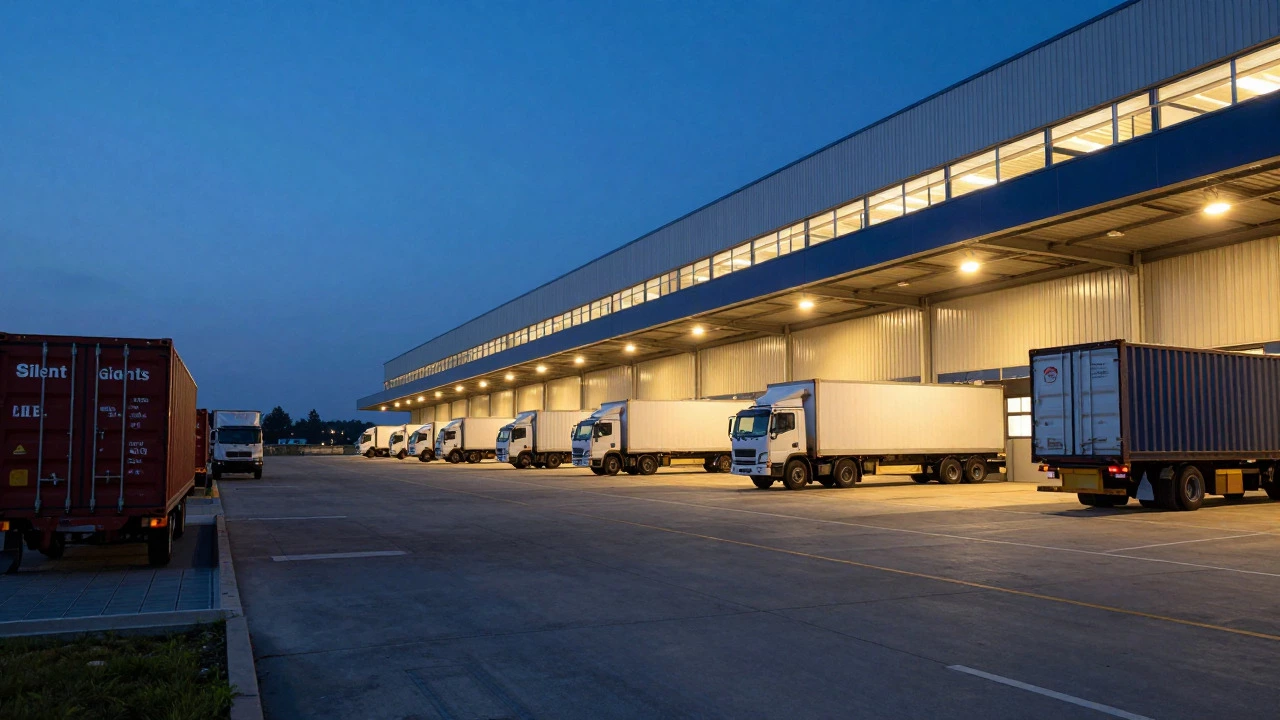
The Silent Giants: Industrial Warehouses
If you prefer less drama and longer-term security, look at industrial warehouses. Since the e-commerce boom accelerated post-2020, demand for logistics space has skyrocketed. Companies need places to store goods closer to urban centers for faster delivery. In regions around Auckland, prime industrial land is scarce, driving up both rents and values.
Industrial properties typically have longer lease terms-often five to ten years-with built-in rent escalations. This means predictable income streams that don’t fluctuate wildly with seasonal trends. Tenants in this sector are usually businesses, not individuals, which reduces turnover rates significantly. You won’t be changing locks every six months.
The trade-off? Higher vacancy risks if the local economy dips. If a major employer closes down, an entire warehouse could sit empty. Also, these properties require specialized maintenance. Roof leaks, loading dock repairs, and compliance with safety regulations add complexity. But for investors seeking stable, long-term growth with minimal day-to-day involvement, industrial remains a top contender.
High Risk, High Reward: Short-Term Rentals
Want maximum daily revenue? Look at short-term rentals (STRs), especially in tourist-heavy areas. Platforms like Airbnb allow hosts to charge premium nightly rates, sometimes double or triple what a long-term tenant would pay. In Auckland’s CBD or near beaches like Mission Bay, fully furnished apartments can generate impressive weekly incomes during peak seasons.
But here’s the catch: occupancy isn’t guaranteed. You’re competing with hotels, other STRs, and even corporate housing. Marketing becomes part of your job. You need professional photos, dynamic pricing strategies, and constant guest communication. Cleaning schedules must be flawless. One negative review can tank your booking rate for weeks.
Additionally, regulatory environments are tightening. Many cities, including parts of Auckland, now restrict where STRs can operate or impose stricter licensing requirements. Always check local council rules before diving in. What works today might be illegal tomorrow. For seasoned operators who treat it like a hospitality business, STRs can outperform traditional rentals. For passive investors, they’re often a trap.
Commercial Retail: The Divided Opinion
Retail spaces-shops, cafes, restaurants-have faced tough times since online shopping took off. Foot traffic declined, and many brick-and-mortar stores struggled. Yet, certain retail locations remain incredibly profitable. Think corner shops in dense suburbs, medical centers within shopping plazas, or food courts in busy transport hubs.
The secret lies in location and tenant mix. A cafe next to a train station will always attract commuters. A pharmacy inside a health-focused center serves a captive audience. These niches resist digital disruption because convenience trumps price sensitivity. Investors who focus on essential services rather than discretionary retail tend to fare better.
Leases in retail are shorter than industrial but longer than residential, usually three to five years. Rent reviews happen regularly, allowing landlords to adjust for inflation. However, fit-out costs matter. If a tenant invests heavily in renovations, they’re more likely to stay put. Conversely, cheap setups signal higher churn risk. Due diligence on tenant financial health is critical here.

Land Banking: Patience Pays Off
Sometimes, the best way to make money is to wait. Land banking involves purchasing undeveloped plots in growth corridors, holding them until zoning changes or infrastructure projects boost their value, then selling. It requires zero maintenance costs and no tenant headaches. Just pure appreciation potential.
Auckland’s north shore and eastern suburbs have seen explosive growth due to transport upgrades and population influx. Buying raw land near future rail lines or school expansions can yield returns exceeding 10% annually over five-year horizons. But patience is non-negotiable. You might hold the asset for a decade before seeing any profit.
This strategy demands deep knowledge of city planning documents and demographic trends. Talk to planners, study council development plans, and monitor auction results. Guesswork leads to losses. Precision targeting creates wealth. Land banking suits investors with strong balance sheets and long timeframes.
| Property Type | Cash Flow Yield | Growth Potential | Management Effort | Risk Level |
|---|---|---|---|---|
| Multi-Unit Residential | Medium-High | High | Medium | Low-Medium |
| Industrial Warehouse | Medium | High | Low | Medium |
| Short-Term Rental | Very High | Variable | Very High | High |
| Retail Space | Medium | Medium | Medium | Medium-High |
| Land Bank | None | Very High | Very Low | High |
How to Choose Your Winner
So, what property makes the most money? It depends on your goals. If you want steady income with moderate effort, go multi-unit residential. Prefer hands-off stability with long leases? Industrial warehouses win. Crave high daily earnings and enjoy running a service business? Short-term rentals could be your playground. Want exponential growth without ongoing costs? Land banking rewards patience.
Before committing funds, run detailed pro formas. Factor in vacancy rates, maintenance reserves, insurance premiums, and tax implications. Use conservative estimates-not optimistic projections. Stress-test your model against interest rate hikes or economic downturns. Only proceed when the numbers hold up under pressure.
Also, consider diversification. Don’t put all your eggs in one basket. Combine different property types to balance cash flow and growth. Maybe start with a duplex, reinvest profits into a warehouse, and save surplus for land acquisition. Building a portfolio takes time, discipline, and continuous learning.
Finally, talk to professionals. Engage brokers who specialize in your target segment. Consult accountants familiar with property taxation. Hire lawyers experienced in real estate contracts. Their expertise saves you costly mistakes. Knowledge is power-and in real estate, ignorance costs millions.
Which property type has the highest ROI in Auckland?
Multi-unit residential properties generally offer the best combination of cash flow and capital growth in Auckland. With yields around 4-5.5%, they provide steady income while benefiting from rising land values. Industrial warehouses also perform well, particularly near logistics hubs, offering longer leases and lower management burdens.
Is short-term renting worth the hassle?
Short-term renting can generate higher daily revenues than long-term leases, but it requires active management. You’ll handle marketing, cleaning coordination, and guest relations. Regulatory restrictions may limit availability in certain zones. It’s ideal for investors willing to treat it as a hospitality business rather than passive income.
What should I look for in a commercial property lease?
Focus on lease length, rent escalation clauses, and tenant creditworthiness. Longer leases (5+ years) reduce turnover risk. Built-in annual increases protect against inflation. Verify the tenant’s financial stability through audited statements or bank references. Avoid properties reliant on single tenants unless they’re blue-chip companies.
Can beginners succeed in property investment?
Yes, beginners can succeed by starting small and educating themselves. Begin with residential properties where data is abundant and processes are standardized. Partner with experienced mentors or join investor groups. Focus on cash-flow-positive deals initially. As confidence grows, explore commercial sectors or value-add opportunities.
How does interest rate affect property profitability?
Higher interest rates increase borrowing costs, reducing net cash flow. Properties with fixed-rate mortgages shield owners temporarily, but variable loans expose them immediately. During rate hikes, prioritize assets with strong rental growth potential to offset financing expenses. Refinancing options become crucial tools for managing debt loads.