What City Has the Biggest Apartments? A Global Guide to Spacious Living
Global Apartment Size & Cost Estimator
Select a city to see average 2BHK apartment sizes and compare them against other major hubs. Adjust your budget to estimate potential square footage.
Enter a budget and click Calculate to see results.
| City | Avg. Size (sq ft) | Relative Scale |
|---|
You might think New York or Tokyo would top the list for tiny living spaces, but when it comes to sheer square footage per unit, those dense metropolises actually rank quite low. If you are hunting for a 2BHK apartment that feels like a sprawling estate rather than a closet with windows, you need to look elsewhere. The answer isn't just about one single city; it's about understanding how land availability, cultural preferences, and economic structures dictate how big your walls can be.
Most people assume bigger is always better, but "big" is relative. In some cities, a 1,000-square-foot apartment is considered generous. In others, it’s barely enough room to stretch out. This guide breaks down which cities offer the most space for your money, why the differences exist, and what you should actually look for if you want room to breathe.
The Surprise Leaders in Apartment Size
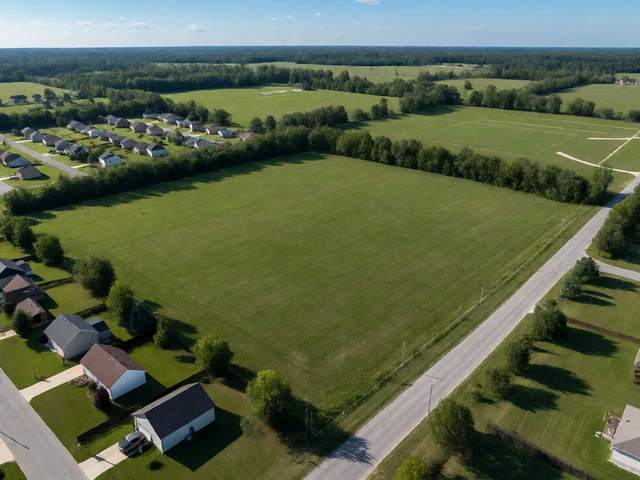
If you were to guess which city has the largest average apartment sizes, you might picture Dubai or perhaps a wealthy suburb in the United States. While those places do offer large units, the true champions of spaciousness often come from regions where land is abundant and construction costs are lower relative to income. Cities in Australia, parts of Canada, and specific emerging markets in Asia frequently lead global rankings for median apartment size.
Austin, Texas, and Calgary, Alberta, regularly appear at the top of lists for North American buyers seeking volume. But globally, cities like Brisbane in Australia or certain districts in Kuala Lumpur, Malaysia, offer floor plans that make Manhattan studios look like storage units. Why? It’s simple supply and demand logic mixed with zoning laws. When a city expands outward rather than upward, developers have more room to build wider footprints without driving up the price per square inch as aggressively as in constrained island cities.
| City | Region | Avg. 2BHK Size (sq ft) | Primary Driver of Size |
|---|---|---|---|
| Brisbane, Australia | Oceania | 1,100 - 1,300 | Low density, high land availability |
| Calgary, Canada | North America | 950 - 1,100 | Suburban expansion culture |
| Kuala Lumpur, Malaysia | Southeast Asia | 850 - 1,000 | Developer competition, lower land cost |
| Dallas, USA | North America | 900 - 1,050 | Texas sprawl model |
| Mumbai, India | South Asia | 450 - 600 | Extreme land scarcity |
| New York, USA | North America | 500 - 700 | Zoning, historic infrastructure |
Why Geography Dictates Your Floor Plan
You cannot separate apartment size from geography. Think about Hong Kong. It is an island territory with limited flat land and extreme population density. There is literally nowhere to go but up, and every square foot of horizontal space is worth its weight in gold. Developers there maximize verticality and minimize footprint to fit more units into the same plot. The result? Micro-apartments are not just a trend; they are a necessity.
Contrast this with Houston, which sits on vast, flat terrain with few natural barriers to expansion. Houston doesn’t have mountains blocking growth or oceans limiting direction. This allows developers to build wide, sprawling complexes with larger individual units because the land itself isn’t the primary constraint-construction time and materials are. When land is cheap, developers compete by offering more space, not just height.
This geographic reality creates a clear rule of thumb: coastal cities with mountain backdrops (like San Francisco or Vancouver) tend to have smaller apartments than inland cities with open plains (like Dallas or Winnipeg). If you are looking for a 2BHK apartment with two full bathrooms and a dining area that fits a six-person table, prioritize inland locations over coastal hubs.
Cultural Expectations and Developer Strategy
It’s not just about land; it’s about what buyers expect. In many Asian markets, such as Singapore or Tokyo, the cultural norm accepts smaller private spaces because public spaces, transport networks, and social venues are highly developed. People spend less time inside their apartments, so they pay less for square footage.
In contrast, American and Australian suburban cultures emphasize the home as a multi-purpose hub. You work from home, you entertain guests, and you store recreational gear. Developers in these regions respond to this by marketing "open-concept" layouts that artificially inflate perceived space. They knock down walls between the kitchen and living room to make a 900-square-foot unit feel like 1,200. So, when you compare cities, ask yourself: Are you buying actual usable square footage, or are you buying a clever layout trick?
For instance, a developer in Melbourne might advertise a 1,000-square-foot apartment that includes a balcony and internal storage. Meanwhile, a similar-sized listing in London might exclude outdoor space entirely. Always check the net usable area versus the gross external area. That difference can easily account for 10-15% of your potential living space.

The Price Per Square Foot Trap
Here is the catch: bigger apartments usually mean higher total prices, even if the price per square foot is lower. A 1,200-square-foot apartment in Austin might cost $400,000, while a 600-square-foot apartment in New York could also cost $400,000. You get double the space in Texas, but you also get double the utility bills, double the cleaning time, and potentially double the property tax.
Buyers often fall into the trap of equating "cheap per square foot" with "good deal." But maintenance costs scale with size. Heating a 1,500-square-foot loft in a cold climate like Chicago is significantly more expensive than heating a 700-square-foot condo in Miami. Before you chase the biggest number, calculate the monthly carrying costs. Divide your total monthly expenses (mortgage + HOA + utilities + taxes) by the square footage. This metric reveals the true efficiency of your investment.
- Utility Efficiency: Larger spaces require more energy for HVAC systems.
- Maintenance Burden: More floors mean more vacuuming, mopping, and repairs.
- Furnishing Costs: Filling a large empty room costs thousands more than filling a cozy nook.
How to Spot a Genuinely Spacious 2BHK
Not all large numbers translate to good living. Some developers pad their square footage with awkward hallways, oversized closets, or unusable corners. To find a truly spacious 2BHK apartment, look beyond the headline number. Focus on the aspect ratio and ceiling height.
A rectangular room with 9-foot ceilings feels vastly different from a narrow corridor-like room with 8-foot ceilings. Natural light plays a huge role here. Ask for floor plans that show window placement. Cross-ventilation-windows on opposite sides of the unit-makes a space feel larger and healthier. Avoid units described as "studio plus den" unless the den has a door and a window; otherwise, it’s just a hallway with a desk.
Also, check the location of plumbing. In older buildings, bathroom locations are fixed, forcing awkward layouts. In new constructions, flexible piping allows for open kitchens and en-suite bedrooms, which enhances the feeling of space. Look for features like:
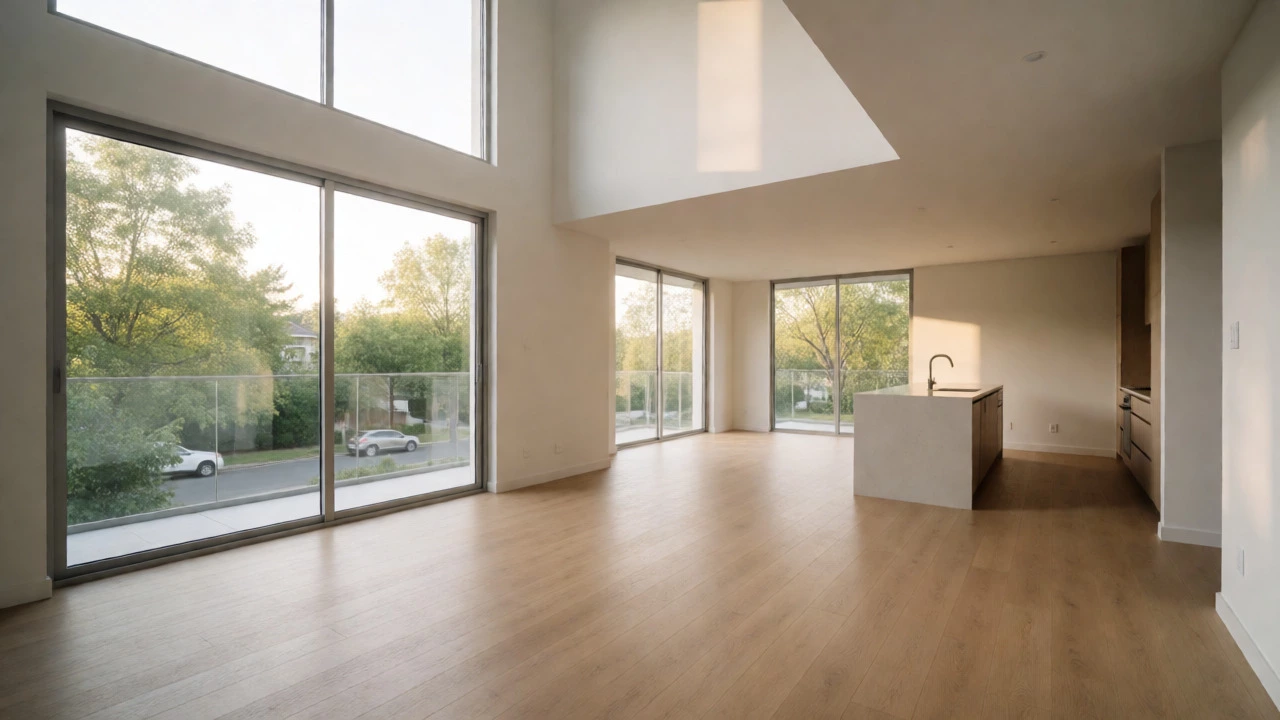
- Open Kitchen Layouts: Removes visual barriers.
- High Ceilings: Creates vertical volume.
- Large Windows: Blurs the line between indoors and outdoors.
- Minimal Corridors: Reduces wasted transit space.

Emerging Markets: Where Space Is Still Affordable
If your budget is tight but your desire for space is high, look at secondary cities. Tier-2 cities in countries like Vietnam, Indonesia, or Poland often offer modern developments with generous floor plans at a fraction of the cost of capital cities. For example, Ho Chi Minh City offers luxury condos with 1,500-square-foot layouts for prices that wouldn’t buy a parking spot in London.
However, due diligence is critical. Infrastructure quality, water pressure, internet reliability, and building management standards vary wildly. Visit the site during peak hours to test elevator wait times and noise levels. Talk to current residents about their experiences with maintenance requests. A big apartment in a poorly managed building quickly becomes a liability.
Consider the resale market too. In some emerging markets, foreign ownership restrictions or local buyer preferences for specific layouts can limit who you can sell to later. Ensure the legal framework supports your long-term goals before committing to a massive purchase.
Final Verdict: Which City Wins?
There is no single "winner" because "biggest" depends on your definition of value. If you want the absolute largest median square footage regardless of location, cities in the American Midwest and Australian suburbs take the crown. If you want the best balance of size, lifestyle, and affordability, mid-sized Canadian or Southern US cities often provide the sweet spot.
Remember, the goal isn't just to own the biggest box. It’s to own a space that fits your life. A well-designed 800-square-foot apartment with smart storage and great light often beats a drafty, poorly laid-out 1,200-square-foot unit. Measure twice, buy once, and prioritize flow over raw numbers.
Which country has the largest average apartment size?
Countries with vast land areas and lower population densities, such as Australia, Canada, and the United States, typically have the largest average apartment sizes. Specifically, cities in the American Midwest and Australian suburbs often feature units exceeding 1,000 square feet for standard two-bedroom configurations.
Are bigger apartments always more expensive?
Yes, the total purchase price is usually higher for larger apartments. However, the price per square foot may be lower in cities with abundant land. Buyers must consider ongoing costs like utilities, maintenance, and taxes, which increase with size.
Why are apartments in New York so small?
New York City faces extreme land scarcity and high construction costs. Zoning laws and historic building codes further limit expansion. High demand drives up land value, encouraging developers to maximize the number of units per plot rather than the size of each unit.
Does a larger apartment increase resale value?
Not necessarily. Resale value depends on location, condition, and market trends. In dense urban centers, smaller efficient units often sell faster and yield higher rental returns per dollar invested. Large units appeal to families but may sit on the market longer if priced incorrectly.
What is the ideal size for a 2BHK apartment?
The ideal size varies by location, but generally, 800 to 1,000 square feet provides comfortable living for two people or a small family in most Western cities. Below 700 square feet can feel cramped for a 2BHK, while above 1,200 square feet may incur unnecessary maintenance costs without significant lifestyle gains.