How Many Cows Can You Run on 20 Acres? A Practical Guide for Smallholders
Smallholder Carrying Capacity Calculator
Winter Feed Estimate
Warning If grass stops growing in winter:
You may need to purchase approximately 0 kg of dry matter feed per day for your herd during the off-season.
Capacity Utilization
Select your parameters and click Calculate to see your estimated carrying capacity.
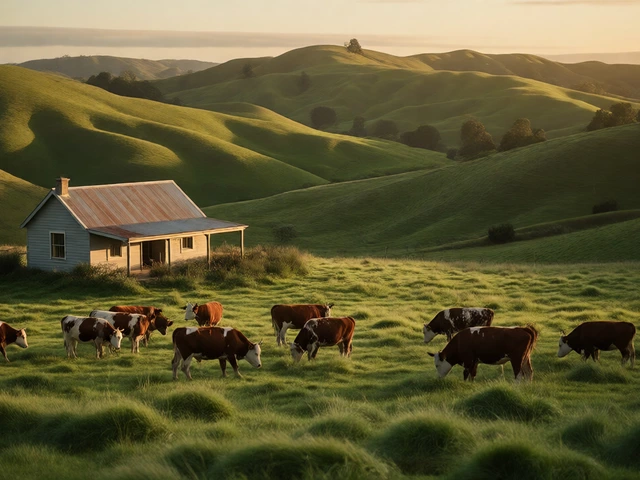
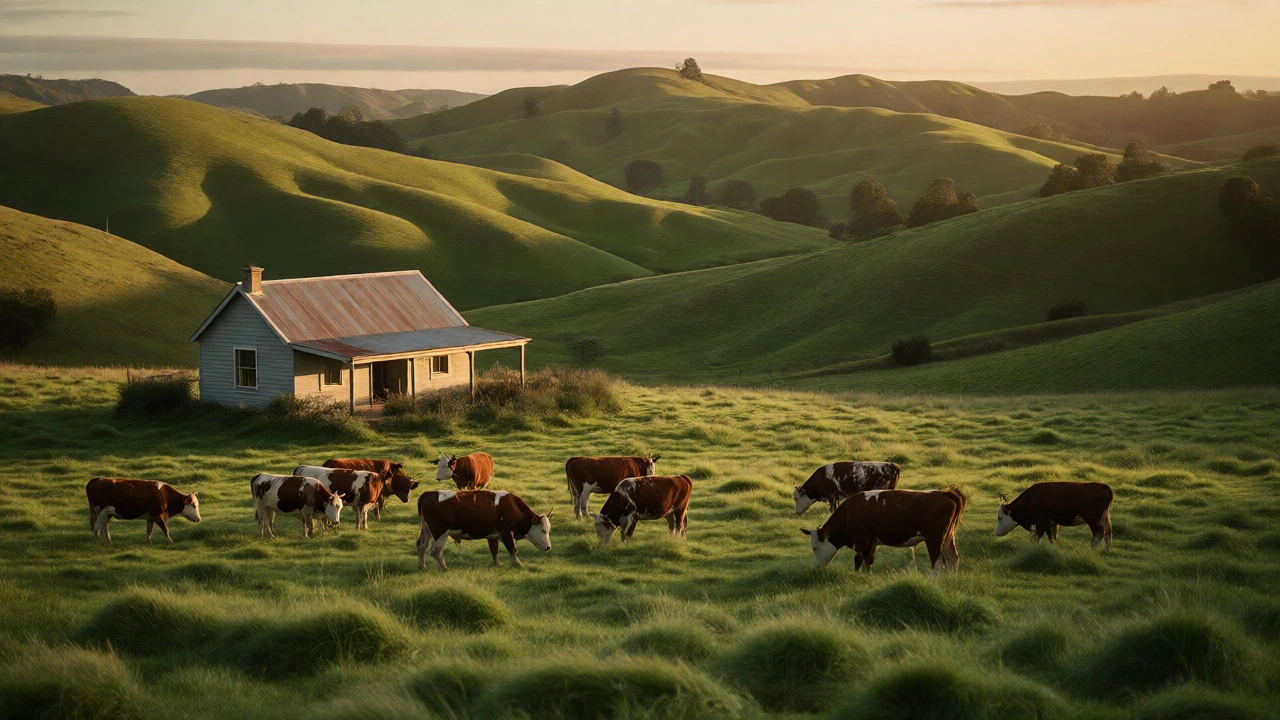
You just bought that dreamy 20-acre block with the little cottage. The grass looks green, the fences are up, and you’re thinking: "I want cows." But before you load up the trailer at the local sale yards, you need to do some math. If you guess wrong, you’ll either starve your animals or turn your beautiful pasture into a muddy quagmire in three months.
Here’s the hard truth: there is no single number that works for every piece of land. In New Zealand, where I live, we talk about "stock units" because not all land grows grass at the same speed. A flat, irrigated paddock in Waikato can support way more beef than a steep, dry hill country block in Central Otago. But let’s break down how you can figure out your specific carrying capacity so you don’t overstock.
The Golden Rule: Start Low and Grow Slow
If you are new to farming, ignore the neighbors who run 50 head on similar-sized blocks. They might have better soil, better rain, or they’re buying feed when it gets tough. For a beginner on 20 acres of average-quality land, start with 10 to 15 adult cattle. That’s roughly one cow per 1.5 to 2 acres. Why so conservative? Because it gives you room to learn. If you see the grass getting short and patchy, you pull stock off immediately. If you start too high, you damage the root systems of the plants, and next year’s growth will be even worse.
Think of it like a bank account. Grass is your income. Cows are your expenses. If you spend more than you earn, you go into debt (and debt means buying expensive hay).
What Actually Determines How Many Cows Fit?
It’s not just about area; it’s about quality. Several factors dictate how many mouths your land can feed.
- Rainfall: This is the biggest driver. In wetter regions like Taranaki, pastures grow faster and stay green longer. In drier areas, you need more land per animal to capture enough moisture.
- Soil Type: Volcanic soils hold nutrients well. Sandy soils drain fast but lose fertility quickly. Clay soils hold water but can get boggy, which damages hooves and compacts the ground.
- Pasture Species: Are you running native tussocks, ryegrass-clover mixes, or kikuyu? Ryegrass and clover are highly productive if managed right. Native grasses are lower yielding but require less input.
- Fencing: You cannot manage what you cannot control. If you have one big 20-acre paddock, cows will graze their favorite spots to death and ignore the rest. Rotational grazing-moving cows between smaller paddocks-increases carrying capacity by ensuring grass rests and regrows.
Calculating Your Stocking Rate
Let’s look at some real-world scenarios based on typical New Zealand conditions. We use "Stock Units" (SU) as a standard measure. One SU is roughly equivalent to one dairy cow or two beef steers.
| Land Quality | Description | Approximate Cows (Adult) | Notes |
|---|---|---|---|
| Low Productivity | Dry hill country, poor soil, limited rainfall (<750mm/year). | 4-6 cows | Requires significant supplementary feed in winter. |
| Average Productivity | Rolling hills, decent rainfall (750-1000mm), mixed pasture. | 8-12 cows | Good starting point for most hobby farmers. |
| High Productivity | Flat, fertile, reliable irrigation or high rainfall (>1000mm). | 15-20+ cows | Can support more stock but requires intensive management. |
Notice the wide range? That’s why observation beats calculation. If you put 12 cows on average land and the grass disappears in spring, you’ve got too many. If you have waist-high grass rotting underfoot in November, you’ve got too few.
Bulls, Calves, and Hidden Costs
Most people forget about the bulls and calves when planning numbers. A bull eats as much as a cow. If you keep a bull year-round, that’s another mouth to feed. On 20 acres, keeping a bull full-time might cut your cow numbers by one or two. Many smallholders rent bulls from neighbors or use AI (artificial insemination) to save space and money.
Then there are calves. If you’re breeding, you’ll have heifers and steers growing up. These young animals eat less than adults, but they still take up space. Over time, your herd composition changes. A mature cow weighs around 450kg. A calf might weigh 100kg. But you can’t just count heads-you have to count weight. Total kilograms of live weight per hectare is a better metric for professionals, but for beginners, sticking to adult equivalents is easier.
The Winter Trap
Summer is easy. Grass grows fast, and cows thrive. Winter is where small farms fail. In southern regions, grass growth stops completely for three to four months. Your cows still need to eat. If you planned for summer capacity only, you’ll face a crisis in June.
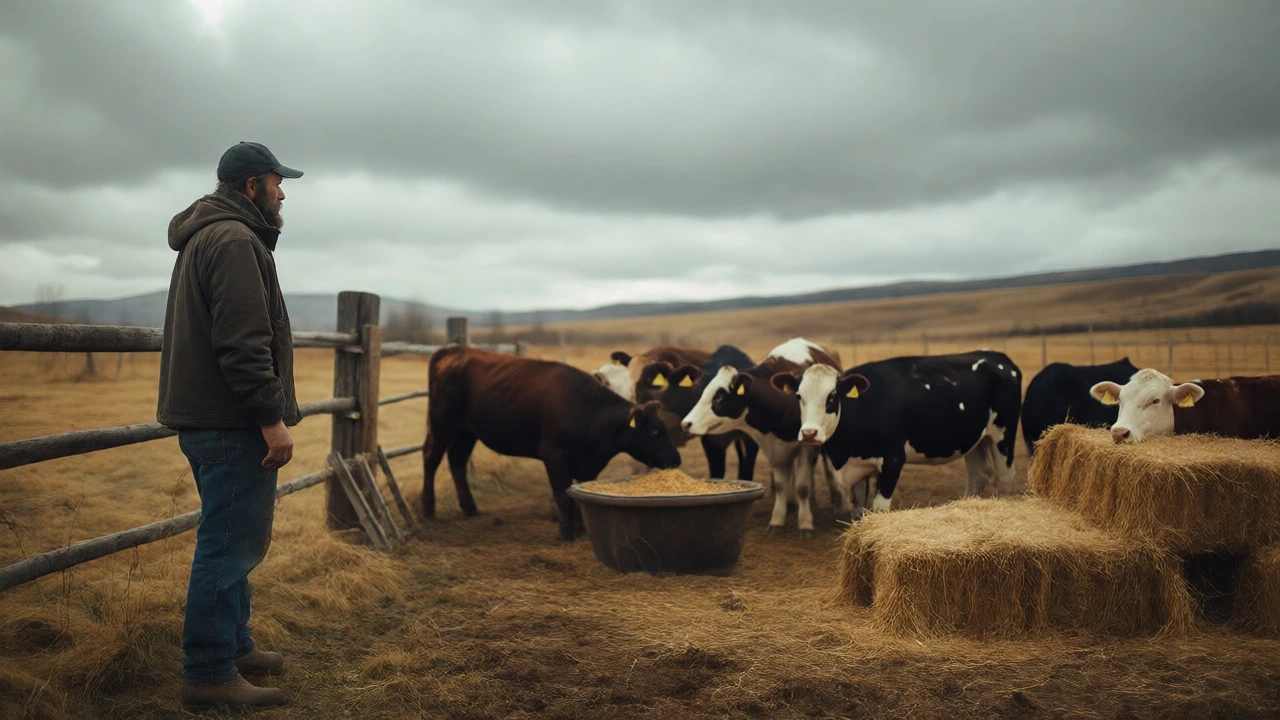
You need a plan for stored feed. Silage, hay, or baleage. Storing feed costs money and labor. On 20 acres, making your own silage might not be worth it unless you have equipment. You’ll likely buy bales. At current prices, feeding 10 cows through winter could cost thousands. Factor this into your budget before you buy the cattle. If you can’t afford to feed them when the grass stops, reduce your stock numbers now.
Infrastructure Matters More Than You Think
You can’t run cows effectively without proper infrastructure. Water is critical. A lactating cow drinks 50-80 liters a day in hot weather. If your only water source is a dam that dries up in February, you’re in trouble. Install troughs connected to a reliable supply. Use float valves to automate filling.
Fences must be strong. Cows test boundaries. Electric fencing is cheap and effective for temporary subdivisions, allowing you to rotate paddocks easily. Permanent boundary fences should be sturdy post-and-rail or mesh. Don’t skimp here. A broken fence means escaped cows, damaged crops, and angry neighbors.
Handling facilities are non-negotiable. You need a crush (race) for vaccinations, deworming, and weighing. Trying to handle loose cows in an open paddock is dangerous and stressful for both you and the animals. Build a simple race leading to a head bail. It pays for itself in reduced stress and injury risk.
Signs You Are Overstocked
How do you know if you’ve made a mistake? Look at the ground.
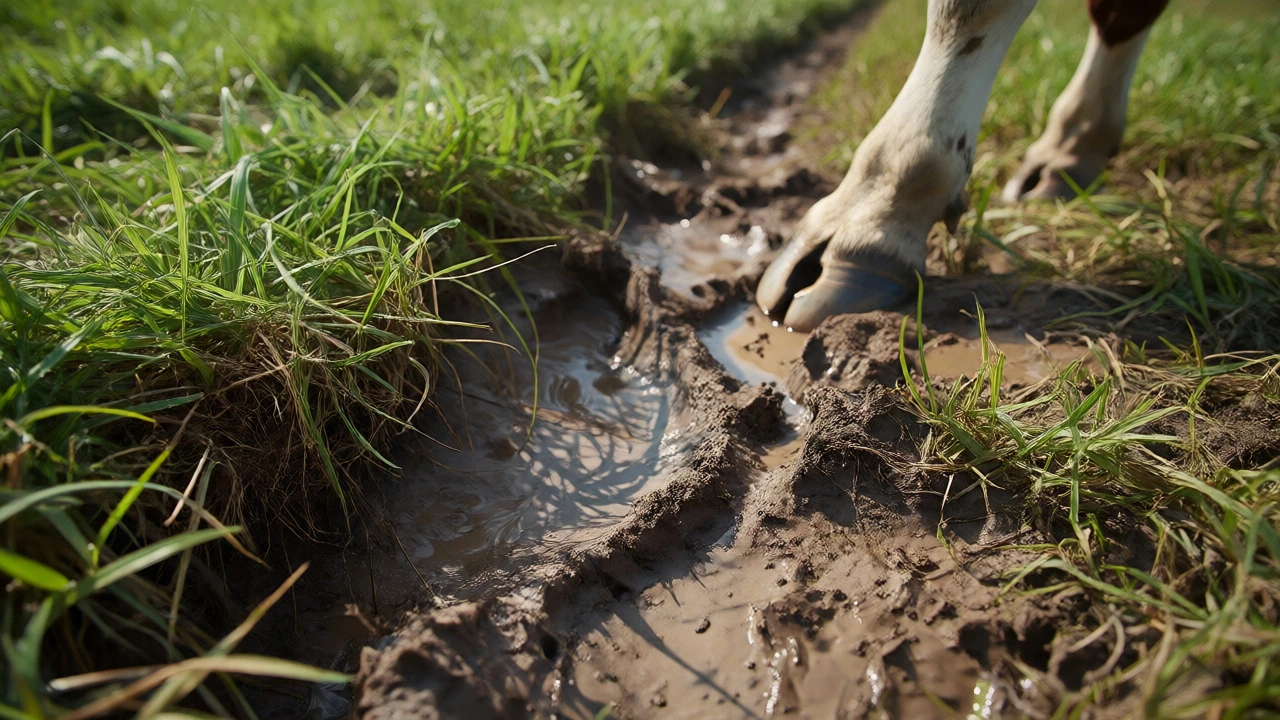
- Mud Puddles: If pugging (hoof prints filled with mud) is widespread, you’re overstocked or grazing wet ground.
- Short Grass: If grass height stays below 5cm consistently, roots weaken. Aim for a residual height of 5-7cm after grazing.
- Weedy Invasion: When desirable grasses are weakened, weeds like thistles or gorse take over. Cows often avoid these, wasting valuable land.
- Weight Loss: Ribs showing on mature cows despite apparent grass availability? They aren’t getting enough energy-dense feed.
Maximizing Returns on Small Blocks
Running just beef cattle on 20 acres might not pay the bills. Beef margins are tight. Consider diversifying. Dairy cows produce milk daily, offering cash flow, but they demand high-quality feed and twice-daily milking. Sheep mix well with cattle; sheep graze close to the ground, cleaning up leftovers cattle miss. This combination increases overall carrying capacity by 20-30% compared to cattle alone.
Another option is agistment. Let someone else graze their animals on your land for a fee. Or lease out part of your land for cropping. Flexibility keeps your smallholding viable. Don’t lock yourself into one system if it doesn’t work financially.
Practical Steps Before Buying Cattle
- Test Your Soil: Know your pH and nutrient levels. Lime and fertilizer boost grass production significantly.
- Map Your Water: Ensure every potential paddock has access to clean water within 200 meters.
- Start with Steers: Buy castrated males (steers) first. They’re docile, easier to manage, and don’t reproduce unexpectedly. Sell them for meat when ready.
- Record Everything: Keep a diary of rainfall, grass growth, and animal weights. Data helps you adjust stocking rates year by year.
Buying a villa on acreage is a lifestyle choice, but managing livestock is a business decision. Respect the land’s limits, and it will reward you with healthy animals and sustainable profits. Ignore them, and you’ll spend your retirement hauling hay.
Can I keep dairy cows on 20 acres?
Yes, but it depends heavily on land quality. On high-productivity land, you might run 10-12 dairy cows. However, dairy cows require higher nutritional standards than beef cattle. You may need to supplement with purchased feed during peak production periods. Also, consider the labor involved in milking twice a day.
Do I need a bull if I have cows?
Not necessarily. Keeping a bull year-round consumes resources equivalent to one or two cows. Many smallholders use artificial insemination (AI) or share a bull with neighbors. This reduces feed costs and safety risks associated with handling aggressive bulls.
What happens if I overstock my land?
Overstocking leads to soil compaction, loss of desirable pasture species, and increased weed infestation. Animals lose condition, requiring expensive supplementary feed. Long-term, the land’s productivity declines, reducing its value and increasing maintenance costs.
Is rotational grazing necessary on 20 acres?
While not strictly mandatory, it is highly recommended. Rotational grazing allows pastures to rest and recover, leading to denser grass growth and better root health. It also distributes manure evenly across the land, improving soil fertility naturally.
How much does it cost to feed cows in winter?
Costs vary by region and feed type. As of 2026, buying hay or silage can cost $0.20-$0.40 per kg of dry matter. For 10 cows needing 10kg/day for 90 days, expect to spend several thousand dollars. Budget accordingly or invest in on-farm feed storage.