What is an example of a personal property? A Clear Guide

Personal vs. Real Property Classifier
Select an item below to see how it is typically classified under New Zealand property law principles. Remember: The key test is often whether the item is attached to the land/building and the intention behind its installation.
Ready to Classify
Click on an item from the list to see its legal classification and reasoning.
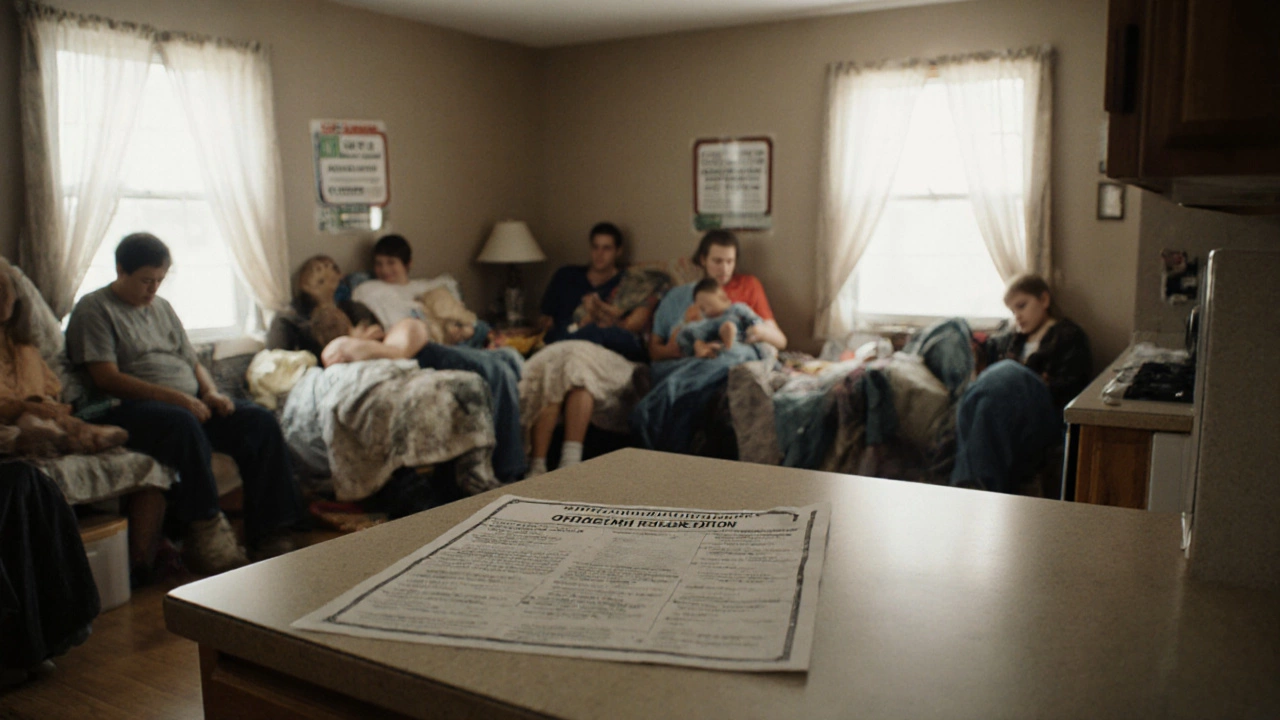
You’re standing in your living room. You look at the sofa you bought last year, the laptop on the coffee table, and the car keys on the hook by the door. Now look out the window at the house itself. Here’s the question that trips up plenty of people during a move or a divorce: which of these things counts as personal property, and which is part of the real estate?
This isn’t just semantics. If you’re selling a home in Auckland, or registering a new asset with the Personal Property Securities Register (PPSR) in New Zealand, getting this distinction wrong can cost you money. Or worse, it can leave you legally exposed. So, what is an example of personal property? Basically, if you can pick it up and take it with you when you move, it’s likely personal property. If it’s bolted to the ground or built into the structure, it’s usually real property.
The Core Difference: Movable vs. Immovable
Let’s strip away the legal jargon. The line between real property (land and buildings) and personal property comes down to one simple test: movability. Real property is fixed. You can’t pick up your backyard fence and slide it into a moving truck without breaking it. Personal property, often called chattels in older legal texts, is everything else.
In New Zealand, this distinction matters heavily for property registration. When you buy a house, the title deed covers the land and the house. It does not automatically cover the washing machine, unless you specifically agreed to include it in the sale contract. Why? Because the washing machine is personal property. It belongs to the seller until they hand it over.
Think about it this way: if you were selling your house tomorrow, would you pack the fridge? Probably not. But you’d definitely pack your toaster. That’s the practical boundary.
Tangible Examples You Own Right Now
Most people think of big-ticket items first, but personal property covers almost everything you touch daily. Let’s break it down by category so you can see exactly where your belongings fit.
- Vehicles: Your car, boat, motorcycle, or even a jet ski. In NZ, cars are registered under specific transport laws, but legally they remain personal property. They don’t become part of the land just because you park them in the driveway.
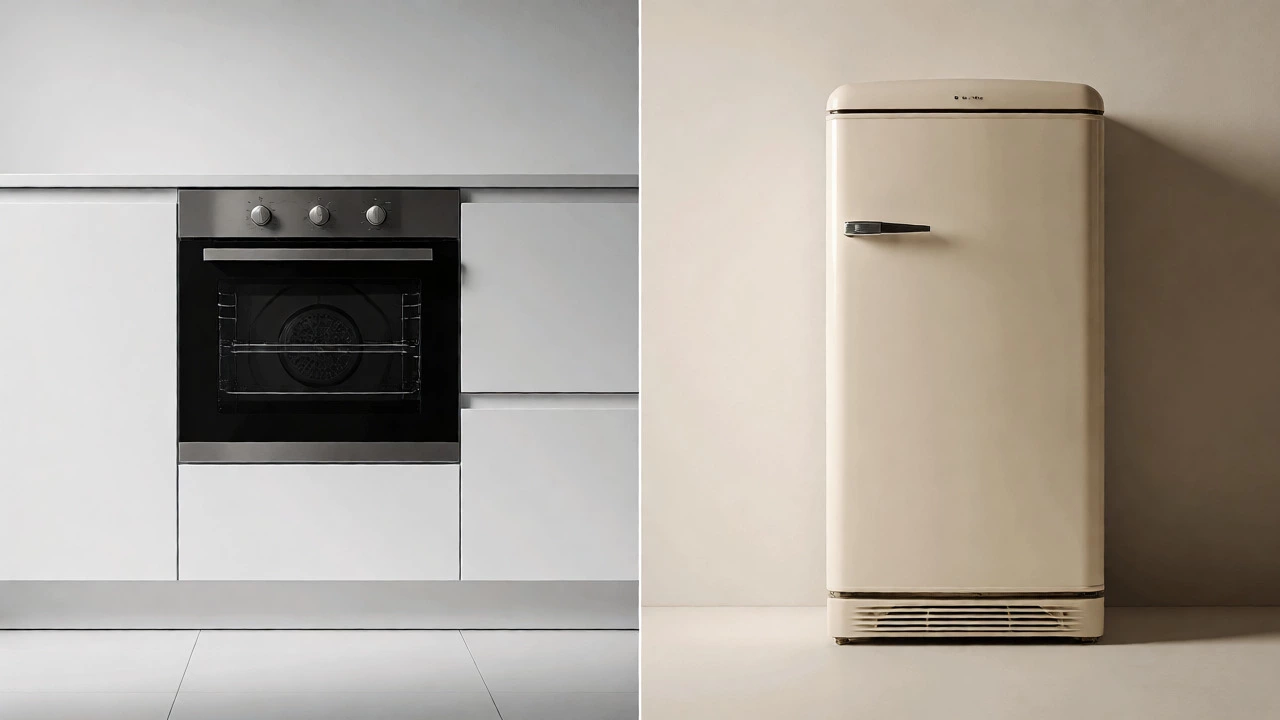
- Furniture and Appliances: Sofas, beds, dining tables, freestanding ovens, and fridges. Note the word "freestanding." If an oven is built into the cabinetry, it might be considered a fixture (more on that later). But a standard white goods unit sitting on its own feet? That’s yours to take.
- Electronics: Laptops, phones, TVs, gaming consoles. Even smart home devices like speakers or tablets count.
- Jewelry and Valuables: Watches, gold, art collections, and antiques. These are classic examples of high-value personal property that often require separate insurance policies.
- Clothing and Household Goods: Yes, your clothes are personal property. So are pots, pans, linens, and cleaning supplies.
Notice a pattern? None of these items add value to the land itself. They have intrinsic value, but they don’t improve the property’s market price in the same way a new deck or a renovated kitchen does.
The Gray Area: Fixtures vs. Chattels
Here is where most disputes happen. What happens when you attach something to the wall? Is a TV bracket personal property or part of the house? This is the fixture debate.
A general rule of thumb in NZ law involves two tests: attachment and intention. If you screw something into the wall or bolt it to the floor, it starts looking like a fixture. But the intention matters more. Did you install it to enjoy the item, or did you install it to improve the property?
| Item | Likely Classification | Why? |
|---|---|---|
| Freestanding Fridge | Personal Property | Not attached; easily moved. |
| Built-in Oven | Fixture (Real Property) | Integrated into cabinetry; removing it damages the structure. |
| Window Curtains | Personal Property | Hung on rails; intended for personal use/decoration. |
| Blinds (Screwed in) | Fixture (Usually) | Often fitted specifically for the windows; removal may leave holes. |
| Potted Plants | Personal Property | In containers; not planted in the ground. |
| Garden Trees | Real Property | Rooted in the soil; part of the land. |
If you’re unsure, check the sale agreement. In New Zealand, the standard ADLS/LVI sale and purchase agreement has a section for listing chattels. Anything listed there stays with the seller. Anything not listed, but fixed to the property, generally goes to the buyer. Always clarify before signing.
Intangible Personal Property: The Invisible Assets
We tend to think of personal property as physical stuff. But legally, intangible rights also count. This is crucial for business owners or investors.
Your bank account balance is personal property. So are shares in a company, bonds, and cryptocurrency holdings. Intellectual property-like a patent you invented or a copyright on a song you wrote-is also personal property. You can sell these rights, gift them, or pass them on in a will, just like you would a car.
For those dealing with property registration for businesses, understanding this is vital. If you lend money to a friend who buys equipment, you might register a security interest on the PPSR. This protects your claim against their personal property (the equipment) if they go bust. It’s a powerful tool that many individuals overlook.
Why Does This Matter for Registration and Taxes?
You might ask, "Why should I care if my lamp is personal property?" For everyday items, you probably don’t need to register anything. But for larger assets, it changes how you handle taxes and legal claims.
First, consider inheritance. When someone passes away, their estate includes all their personal property. Executors must inventory these items. Unlike land titles, which are public records, personal property ownership is private. You need receipts, photos, or appraisals to prove who owns what.
Second, think about debt recovery. If you owe money to a creditor, they can seize your personal property to pay off debts. They can’t take your house immediately (that’s a long process involving court orders), but they can put a lien on your car or take your expensive electronics. Knowing what falls into this bucket helps you protect your assets.
Third, for small business owners, separating personal from business property is essential. Mixing them up can lead to "piercing the corporate veil," where you lose limited liability protection. Keep clear records of what the business owns versus what you own personally.
How to Protect Your Personal Property
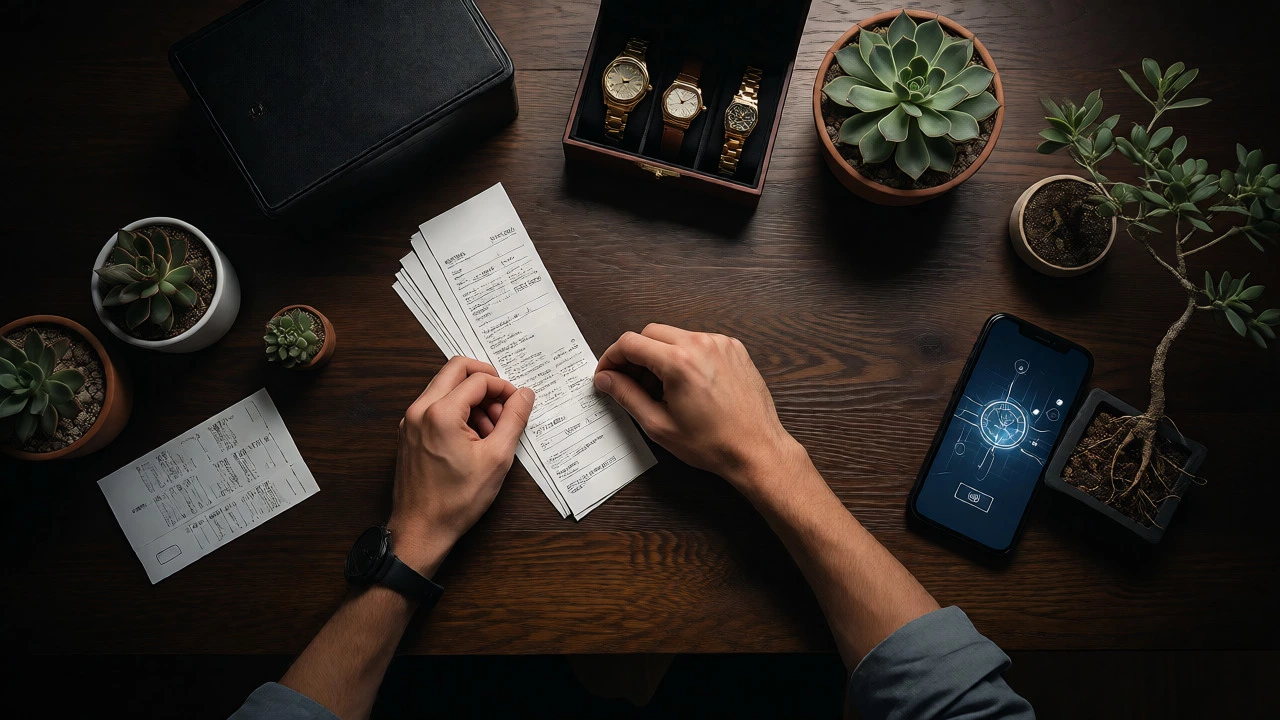
Since personal property doesn’t come with a government title deed like a house does, you have to create your own proof of ownership. Here is a practical checklist for anyone in Auckland-or anywhere in NZ-to safeguard their assets.
- Keep Receipts: Store digital copies of major purchases. Cloud storage makes this easy. If your laptop gets stolen, having the serial number and purchase date speeds up insurance claims.
- Take Photos: Walk through your house and photograph valuable items. Do this annually. Video tours are even better.
- Appraise High-Value Items: Jewelry, art, and antiques should be professionally appraised every few years. Values change, and insurers need current figures.
- Use the PPSR for Loans: If you lend more than $5,000 to someone for a car or machinery, register a security interest. It costs a small fee but saves thousands in legal battles.
- List Chattels Clearly: When buying or selling a home, write down exactly what stays and what goes. Don’t rely on verbal agreements. "The dishwasher stays" is fine. "The curtains stay" needs clarification-are they the ones hanging now, or the spares in the closet?
One common pitfall in New Zealand rentals is assuming appliances belong to the landlord. Check your tenancy agreement. Sometimes tenants bring their own washer/dryer combo. If it’s personal property, you’re responsible for fixing it, not the landlord. Clarify this before signing.
Common Misconceptions About Personal Property
People often confuse personal property with other legal concepts. Let’s clear up three big myths.
Myth 1: "If it’s in the house, it’s part of the house." False. Just because your grand piano sits in the living room doesn’t mean it sells with the house. Unless it’s bolted to the floor (rare), it’s personal property. Sellers sometimes try to sneak expensive items out after the sale. Buyers, make sure you do a final walk-through.
Myth 2: "Landlord-owned fixtures are always personal property." Not necessarily. If a landlord installs custom shelving that requires drilling into the studs, it might be considered a fixture. If the tenant removes it, they might be liable for repairs. Always ask permission before modifying rental properties.
Myth 3: "You need to register all personal property." No. You only register interests in personal property when securing a loan or lease. You don’t register your shoes or your phone. The PPSR is for significant assets like vehicles, boats, and business equipment.
Final Thoughts on Ownership
Understanding what constitutes personal property gives you control. It helps you negotiate better deals when buying homes, ensures fair settlements during separations, and protects your financial future. It turns vague notions of "mine" into clear legal categories.
Next time you look around your room, pause. Ask yourself: could I take this with me? If yes, it’s personal property. And that means it’s yours to manage, insure, and protect. Don’t let the lack of a title deed make you forget its value.
Is a car considered personal property?
Yes, absolutely. A car is tangible personal property. While it is registered with the NZ Transport Agency for road use, it remains a movable asset owned by the individual, distinct from any real estate they might own.
Do built-in wardrobes count as personal property?
Generally, no. Built-in wardrobes are typically classified as fixtures and therefore part of the real property. They are constructed into the building's structure. Freestanding wardrobes, however, are personal property.
What is the difference between personal property and real property?
Real property refers to land and anything permanently attached to it, like houses and fences. Personal property includes all movable possessions, such as furniture, vehicles, cash, and investments, that are not permanently affixed to the land.
Does personal property need to be registered in New Zealand?
Only specific types of personal property require registration. Interests in assets like vehicles, boats, and business equipment are often registered on the Personal Property Securities Register (PPSR) to secure loans or leases. Everyday items like clothing do not need registration.
Are garden plants personal property?
It depends. Potted plants are personal property because they are in containers. However, trees and shrubs planted directly into the ground are usually considered part of the real property and transfer with the land unless specified otherwise in a sale agreement.