Villa vs. Mansion: Which is Bigger and Better for You?
Villa vs. Mansion Decision Tool
Answer these questions to see which property type aligns best with your daily life and long-term goals.
Villa Score
0%
Mansion Score
0%
Your Recommendation
You’re scrolling through listings, eyes glazed over by square footage numbers, and you hit a wall. One ad says "Sprawling Villa," the other screams "Grand Mansion." Both are huge. Both cost more than your first car (times ten). But which one is actually bigger? And does it matter?
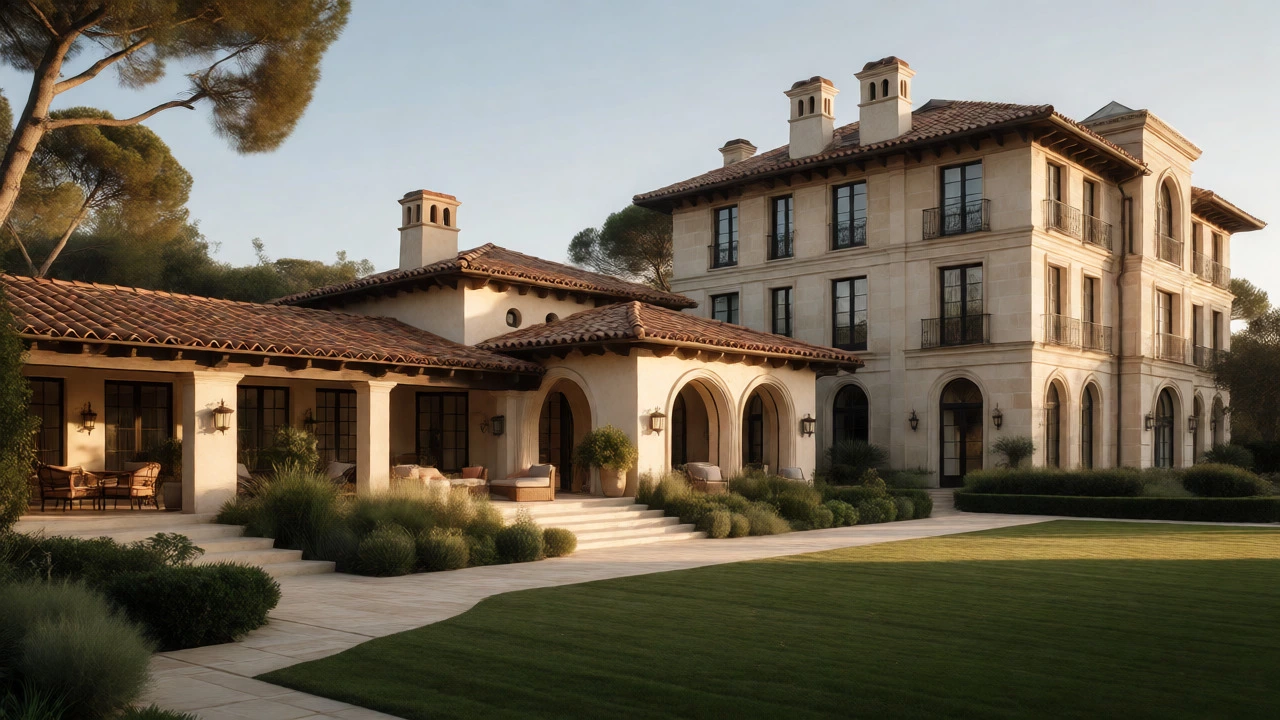
Here’s the messy truth: there is no strict legal definition that separates a villa from a mansion in most countries. Real estate agents use these words to sell dreams, not just bricks. However, if we look at how architects, appraisers, and buyers actually use these terms, clear patterns emerge. Generally, mansions prioritize sheer volume and status, while villas prioritize lifestyle and integration with the land. If you are looking for raw size, the mansion usually wins. If you want a specific vibe-say, Mediterranean warmth or modern minimalism-the villa might be the better fit.
The Core Difference: Intent vs. Size
Let’s cut through the noise. A Mansion is a large, impressive residence characterized by its extensive floor area, multiple stories, and luxurious amenities designed to display wealth. Think of the gated estates in Beverly Hills or the historic chateaus in France. The defining feature here is scale. It’s about having rooms you don’t know what to do with. Ballrooms. Home theaters. Twelve bathrooms.
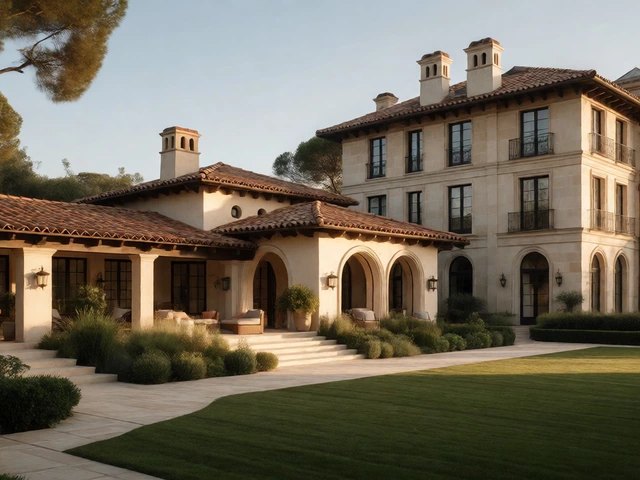
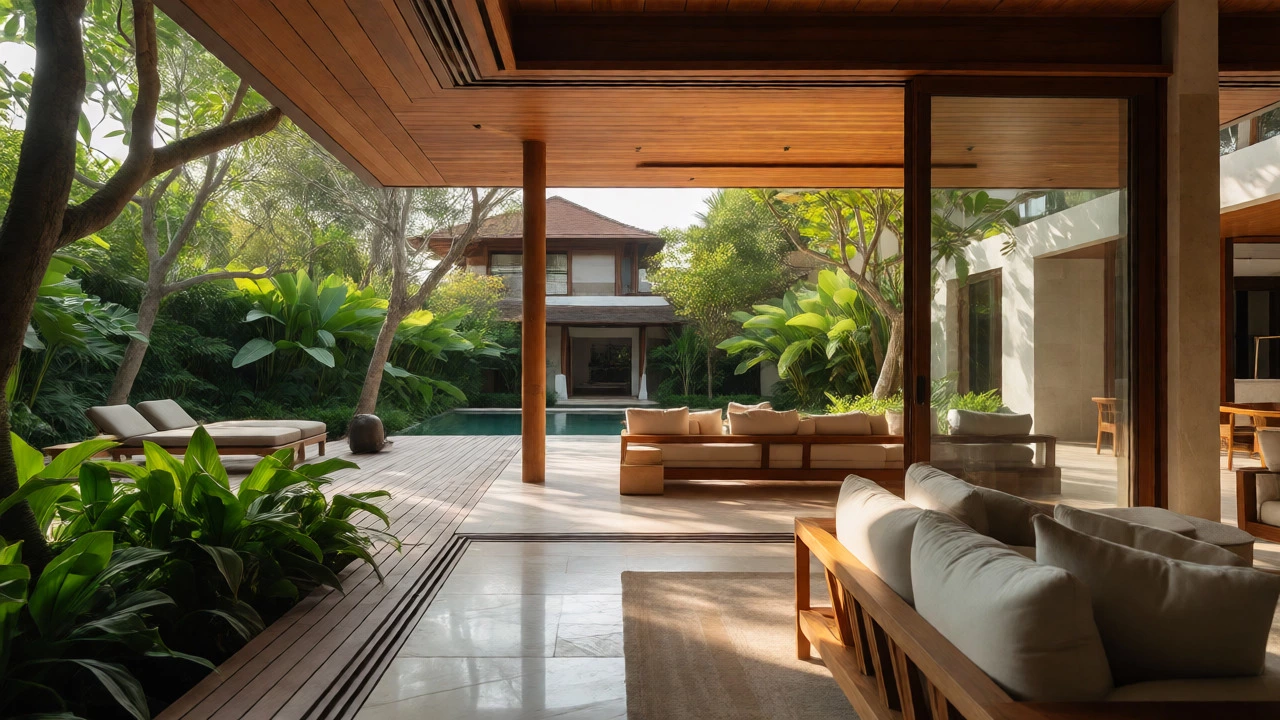
On the other hand, a Villa is a detached residential building, often associated with vacation homes or luxury country estates, emphasizing privacy, garden space, and architectural harmony with the environment. The word comes from the Roman concept of a country house. Today, it implies a single-story or low-rise structure that blends indoor and outdoor living. In places like Tuscany or Bali, a villa is smaller than a mansion but feels larger because of the open layout and surrounding gardens.
So, is a villa always smaller? Not necessarily. A modern mega-villa in Malibu can have 10,000 square feet. But traditionally, yes, mansions are built to dominate a skyline; villas are built to blend into a landscape.
Breaking Down the Metrics
If you are trying to compare two properties on paper, ignore the marketing fluff. Look at the hard data. Here is how they typically stack up in terms of physical attributes and features.
| Feature | Villa | Mansion |
|---|---|---|
| Average Size | 3,000 - 8,000 sq ft | 8,000 - 25,000+ sq ft |
| Structure | Usually 1-2 stories | Often 2-4 stories |
| Land Use | Focus on gardens/pools | Focus on footprint/driveways |
| Staff Quarters | Rare or small guest suite | Dedicated wing for staff |
| Primary Vibe | Relaxed, resort-style | Formal, prestigious |
Notice the structural difference. Mansions go up. They need vertical space to fit all those bedrooms and entertainment zones without eating up acres of land. Villas spread out. They rely on horizontal flow. This affects everything from heating costs to how you host parties. In a villa, everyone gathers around the pool deck. In a mansion, guests might get lost between the wine cellar and the library.
Why Location Changes Everything
This is where it gets tricky. Context matters more than square footage. In Auckland, New Zealand, where I live, a "villa" often refers to a classic wooden cottage from the early 1900s. These aren't massive. They might be 150 square meters. But they are charming, historic, and highly sought after. Calling them "small mansions" would be an insult to their character.
In contrast, in Los Angeles or Miami, a "villa" is often a synonym for a high-end suburban home. It’s big, sure, but it lacks the institutional grandeur of a true mansion. Meanwhile, in Italy, a villino is tiny-a holiday shack, basically. So when you ask "which is bigger," you must ask "where?"
- Urban Settings: Mansions tend to be taller due to land scarcity. Villas are rare in dense cities unless they are converted estates.
- Suburban/Rural: Villas thrive here. You get the land to spread out. Mansions still exist but feel less necessary since land is cheaper.
- Tropical Zones: Villas dominate. The architecture favors airflow and shade, keeping structures lower and wider.
If you are shopping internationally, check local zoning laws. Some municipalities define a "mansion" by tax brackets, not aesthetics. If your property taxes jump because you crossed a certain value threshold, the label doesn't matter-the bill does.
Lifestyle Implications: What Do You Actually Want?
Size isn't just about bragging rights. It dictates your daily life. Buying a mansion is like buying a small business. You need maintenance crews. You need security systems that monitor twelve entry points. You need to heat rooms you visit once a year. Many owners complain that mansions feel cold and impersonal. There is too much empty space. You shout across the kitchen island to talk to your spouse.
Villas offer a different challenge. They require landscaping upkeep. Those beautiful gardens need pruning. Pools need cleaning. But the layout encourages interaction. Open-plan living means you see your kids playing in the yard while you cook. The connection to the outdoors is seamless. For families with young children or retirees who want ease of movement, the single-story nature of many villas is a massive plus. No climbing stairs to carry laundry.
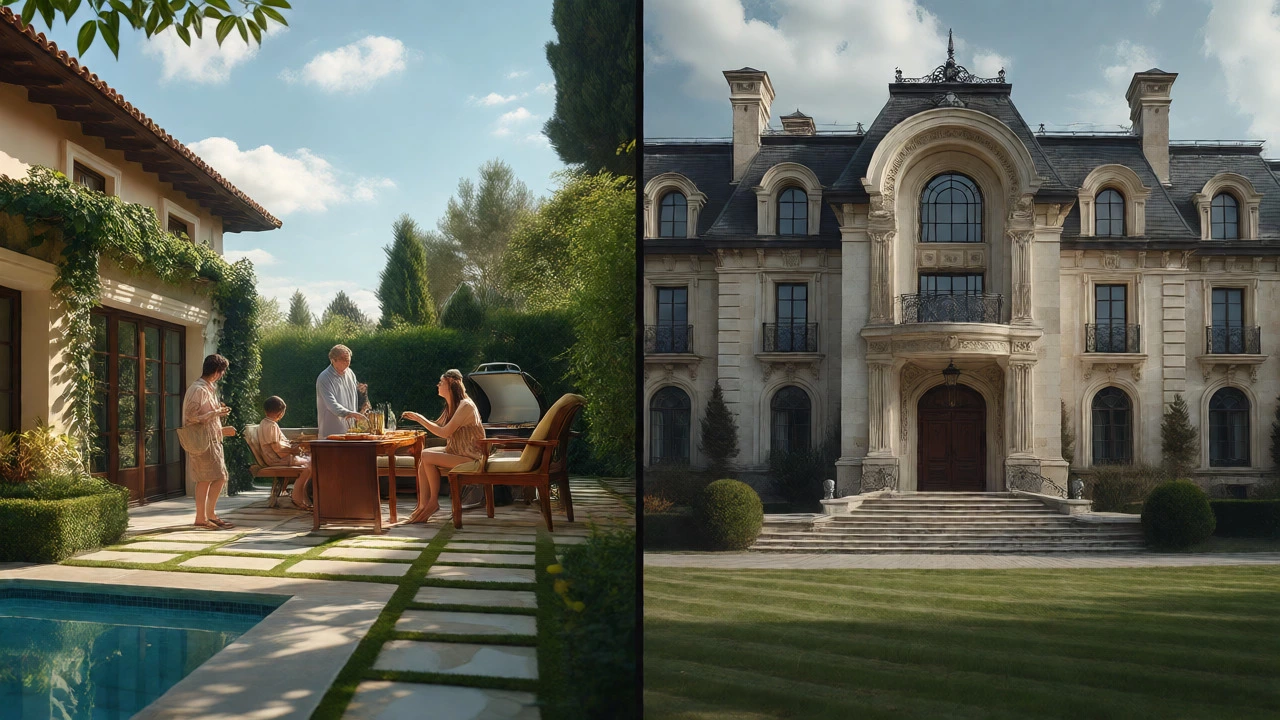
Consider your hosting style. Are you throwing black-tie galas? You need the formal dining room and foyer of a mansion. Are you hosting casual barbecues with friends? The villa’s patio and outdoor kitchen win every time.
The Investment Angle: Resale Value
Real estate investors love this debate. Historically, mansions hold value differently than villas. Mansions are illiquid assets. Finding a buyer for a $10 million mansion takes months, sometimes years. The pool of buyers who can afford it-and want that specific style-is tiny. When they do sell, the appreciation can be steep, but only if the market is hot.
Villas, especially in prime locations like coastal areas or near city centers, often have broader appeal. A well-maintained villa in a desirable suburb can attract young professionals, downsizers, and international buyers alike. The liquidity is higher. You can sell a nice villa faster than a quirky mansion.
However, beware of the "over-improvement" trap. If you buy a modest villa in a neighborhood of average homes and turn it into a mini-mansion, you might never recoup the investment. The neighborhood cap limits your sale price. Conversely, if you buy a dilapidated mansion in a wealthy enclave, the potential upside is huge because the location carries the value.
Common Misconceptions
Let’s bust a few myths before you sign any contracts.
Myth 1: All mansions are old. False. New construction mansions are common in Texas and Florida. They feature smart home tech, infinity pools, and minimalist design. Age doesn't define a mansion; scale does.
Myth 2: Villas are always vacation homes. Also false. Many people live in villas year-round. In Europe, villas are standard primary residences for the upper-middle class. The term just implies a certain architectural style, not usage frequency.
Myth 3: Bigger is always better. Ask anyone who owns a 15,000-square-foot house with three kids. Cleaning alone can cost $500 a month. Maintenance eats into your net worth. Sometimes, the "bigger" option is actually the more expensive burden.
How to Decide: A Quick Checklist
Still torn? Run through this mental checklist.
- Do you need staff? If you plan to hire a full-time caretaker or chef, you likely need the separate quarters and service entrances typical of a mansion.
- How do you move? If you hate stairs, prioritize a villa or a ground-floor-focused mansion. Multi-story mansions can become prisons as you age.
- What’s your social circle? Large, formal gatherings suit mansions. Intimate, frequent hangouts suit villas.
- Budget for upkeep: Calculate 1-2% of the home’s value annually for maintenance. On a $5M mansion, that’s $50k-$100k/year. Can you stomach that?
Ultimately, the question "Which is bigger?" has a simple answer: Mansions are typically larger in total square footage. But the right question is "Which fits my life?" Don’t let the label dictate your choice. Visit the properties. Walk the halls. Imagine your morning coffee routine in each space. That visceral feeling will tell you more than any brochure ever could.
Is a villa always smaller than a mansion?
Not always, but typically yes. While traditional definitions suggest mansions are significantly larger (often exceeding 8,000 square feet), modern luxury villas can rival or exceed this size. The key distinction lies in design intent: mansions emphasize verticality and grandeur, while villas focus on horizontal spread and integration with outdoor spaces.
Can a townhouse be considered a villa?
Generally, no. A villa is defined as a detached, standalone residence. Townhouses share walls with neighboring units. However, some developers loosely use the term "villa" for upscale townhomes to imply luxury, even if it contradicts the architectural definition of being free-standing.
Which is more expensive to maintain, a villa or a mansion?
Mansions are almost always more expensive to maintain due to their larger footprint, complex systems (multiple HVAC units, elevators, pools), and higher labor requirements for cleaning and groundskeeping. Villas may have high landscaping costs if they feature extensive gardens, but the overall operational burden is usually lower.
Does the term 'mansion' affect property taxes?
Directly, no. Property taxes are based on assessed value, not the name of the property type. However, because mansions typically have higher assessed values due to their size and amenities, they often incur higher tax bills. Local zoning laws may also classify very large homes differently regarding development permits.
Are villas only found in warm climates?
No. While the origin of the villa is rooted in Roman country houses suited for warmer weather, the concept has evolved globally. You can find alpine chalets styled as villas in Switzerland or coastal villas in cooler regions like New Zealand and the UK. The architectural style adapts to local materials and climate needs.