What Does WD Mean in Apartments? Decoding Water Disposer and Other Real Estate Acronyms
Real Estate Acronym Decoder
Test your ability to decode confusing real estate jargon found in property listings.
Loading question...
Ready to Decode?
This quick quiz covers the most common abbreviations you'll see in apartment listings, including the ambiguous "WD".
Quiz Complete!
You’re scrolling through property listings for a 2BHK apartment, trying to compare square footage and price per foot. Then you see it: "WD" listed under amenities or layout details. You pause. Is it a typo? A specific brand of flooring? Or something about the plumbing?
If you’ve ever stared at a listing abbreviation wondering if it’s a dealbreaker or just jargon, you’re not alone. Real estate is full of shorthand that varies by region, builder, and platform. In the context of modern apartments, particularly in India and parts of Asia where high-rise living is booming, "WD" most commonly stands for Water Disposer or a built-in food waste disposal unit installed under the kitchen sink. But context is king. Depending on where you are looking, it could also mean Walk-in Dressing (closet) or even Work Desk in smaller studio layouts.
Let’s clear up the confusion so you know exactly what you’re paying for.
The Most Likely Meaning: Water Disposer Unit
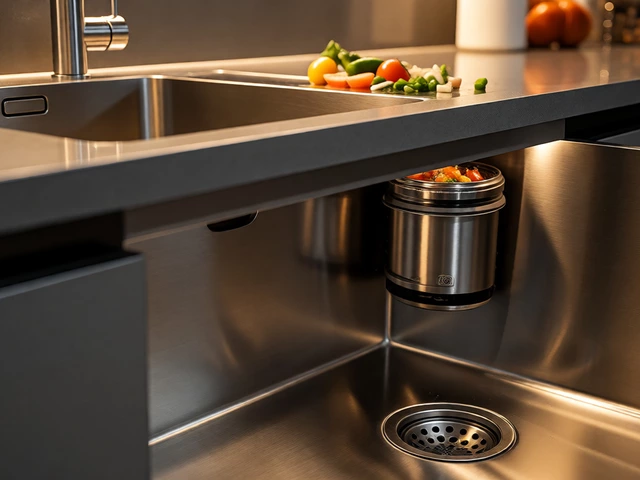
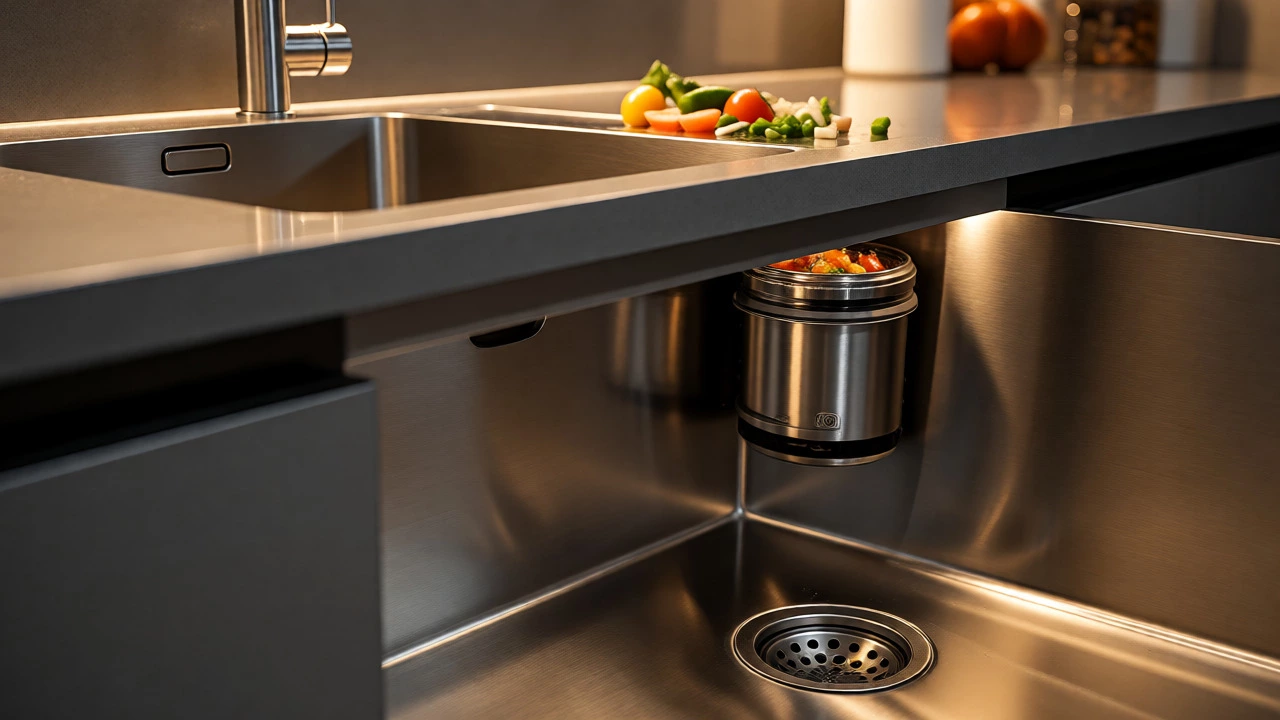
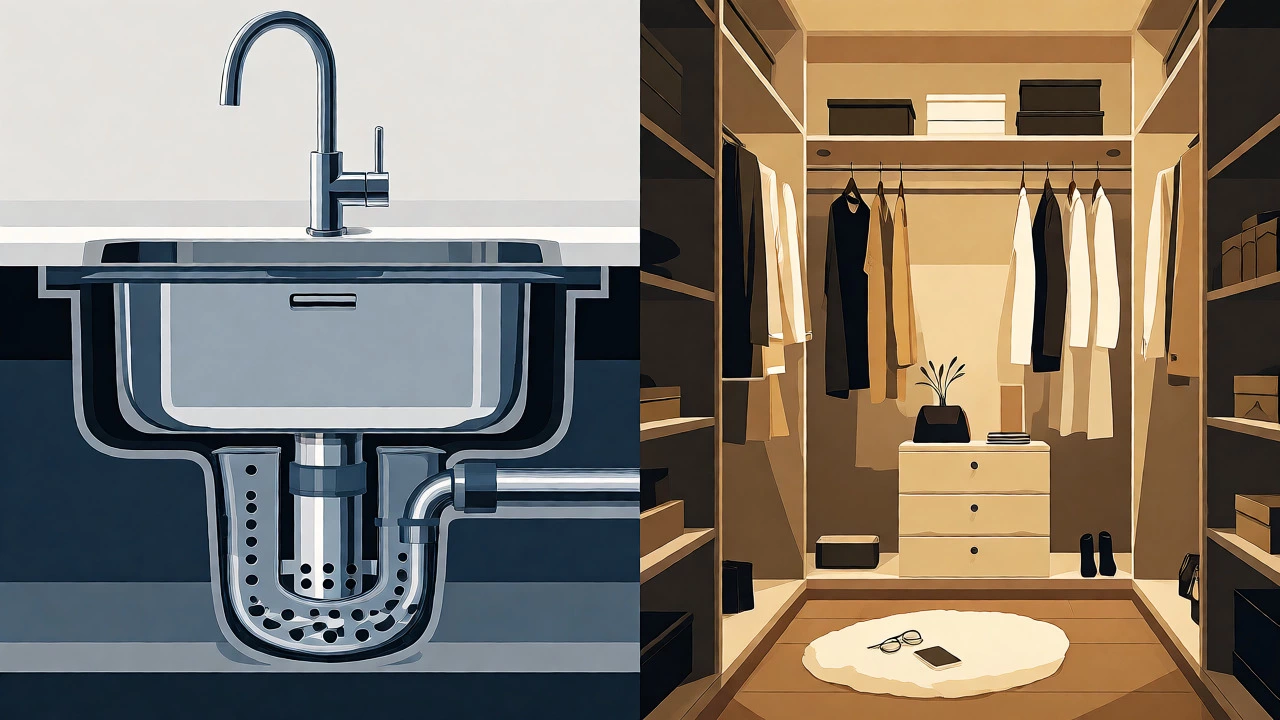
In premium and mid-segment residential projects, especially those marketed as "smart homes" or "luxury living," WD refers to an electric garbage disposal unit. This device sits between your sink drain and the sewer line. When you turn it on, grinding chambers shred food scraps into tiny particles that flush away with water.
Why do builders advertise this? Because it solves a major pain point in urban apartments: wet garbage management. In many cities, separate wet and dry waste collection is mandatory. Having a WD unit means you don’t need to store rotting vegetable peels or leftover rice in a bin for days. It reduces odor, deters pests like cockroaches, and keeps the kitchen hygienic.
Kitchen Hygiene is directly linked to the presence of a mechanical waste disposal system. If you see "WD" in a listing, check if it’s included in the base price or offered as an add-on. Many developers list it as an optional upgrade costing between $50 and $150 (or equivalent local currency), though some luxury towers include it standard.
Alternative Interpretations: Walk-in Dressing and Work Desks
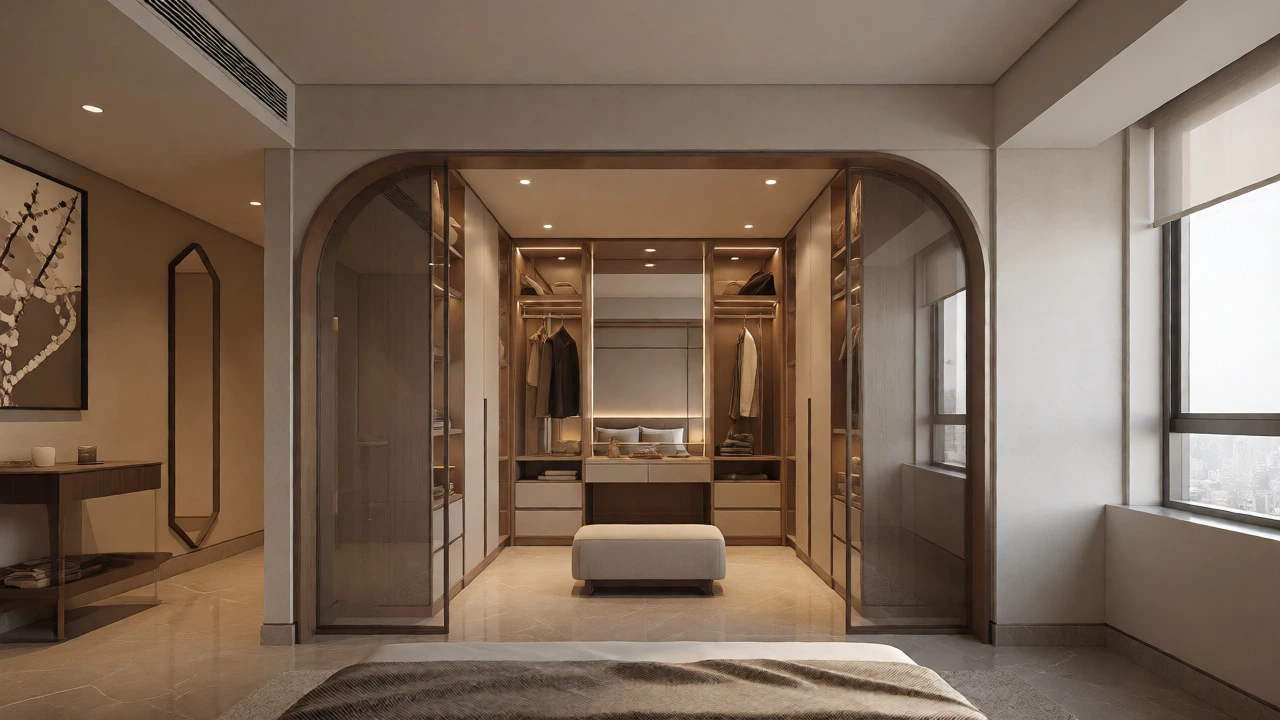
Not every "WD" is about plumbing. In floor plans, especially for master bedrooms, WD can stand for Walk-in Dressing or a dedicated closet space within the bedroom suite. This is common in 3BHK and large 2BHK units where the master bedroom has an attached bathroom and a separate dressing area.
How do you tell the difference? Look at the location in the layout diagram:
- Near the Kitchen Sink: It’s almost certainly a Water Disposer.
- Inside or Adjacent to the Bedroom: It’s likely a Walk-in Dressing area.
- In a Study Nook or Living Area: It might refer to a fixed Work Desk, though this is less common in formal listings.
Be cautious with ambiguous abbreviations. Always ask the agent for clarification before signing any agreement. Assuming "WD" means one thing when it means another can lead to disappointment during possession.
Other Common Apartment Abbreviations You Should Know
If "WD" confused you, wait until you see "CC," "FSI," or "Carpet Area." Real estate listings are dense with acronyms. Here’s a quick cheat sheet for other terms you’ll encounter alongside WD:
| Abbreviation | Full Form | What It Actually Means For You |
|---|---|---|
| BHK | Bedroom, Hall, Kitchen | The basic layout structure. 2BHK = 2 Bedrooms + 1 Hall + 1 Kitchen. |
| CC | Carpet Area | The actual usable floor space inside the walls. This is what you live in, not the lobby or stairs. |
| BA | Built-up Area | Carpet Area + thickness of inner walls + balcony area. Usually 10-15% larger than Carpet Area. |
| SSA | Super Built-up Area | Built-up Area + proportionate share of common areas (lifts, lobbies, corridors). Often 20-30% larger than Carpet Area. |
| OC | Occupancy Certificate | A legal document from the municipality stating the building is safe to occupy. Never buy without checking this. |
| MOS | Modular Open System | Furniture layout flexibility, often used in co-living spaces. |
Is a Water Disposer Worth the Extra Cost?
If the "WD" in your listing refers to a Water Disposer, should you care? It depends on your lifestyle and local infrastructure.
Plumbing Infrastructure plays a critical role in the effectiveness of a water disposer unit. In older buildings with narrow pipes, a disposer might cause blockages. However, new constructions usually have wider drainage lines designed to handle ground waste.
Consider these factors before saying yes to a WD upgrade:
- Local Waste Rules: Do you face strict segregation laws? If fines for improper waste disposal are high, a WD saves hassle.
- Cooking Habits: Do you cook daily with fresh ingredients? If you mostly order out, you won’t generate enough waste to justify the cost.
- Power Outages: Disposers are electric. If your area suffers frequent blackouts, the unit becomes useless until power returns.
- Noise Concerns: Modern disposers are quieter, but they still make noise. If you have thin walls and open-plan kitchens, test the sound level.
Pro Tip: Ask the developer for the brand and model number of the WD unit. Brands like InSinkErator or Whirlpool offer warranties and spare parts availability. Generic, unbranded units might fail within two years, leaving you with a costly replacement job.
Verifying the Meaning Before You Buy
Don’t rely solely on online portals. They use automated tags that can be wrong. Here’s how to confirm what "WD" means in your specific case:
- Check the Floor Plan: Look for icons near the kitchen sink or bedroom closet. A small circle with arrows often denotes a disposer; a dashed line box in a bedroom indicates a dressing area.
- Ask for the Specification Sheet: Request the detailed project brochure. Look under "Kitchen Fittings" or "Interior Finishes." If it mentions "Food Waste Disposal Unit," it’s a WD disposer.
- Visit the Site: If possible, visit a completed tower. See if there’s a bulky metal cylinder under the sink. That’s your WD.
- Clarify with the Agent: Send a direct message: "Does WD refer to Water Disposer or Walk-in Dressing? Please confirm in writing."
This simple step prevents misunderstandings during the handover phase. Builders sometimes change specifications last minute. Getting written confirmation protects your interests.
Regional Variations in Terminology
Language matters in real estate. In Mumbai, "WD" might rarely appear because builders prefer English terms like "Garbage Disposal." In Bangalore or Hyderabad, tech-savvy buyers expect smart home features, so "WD" is marketed aggressively as part of the "Smart Kitchen" package.
In some regions, "WD" could mistakenly be used for "Wash Deck"-an outdoor utility area for laundry. This is common in villas or duplexes but rare in standard 2BHK apartments. Always cross-reference with the property type.
Remember, no global standard exists for these abbreviations. What works in New York might confuse someone in Delhi. Context, location, and project tier are your best guides.
Does a Water Disposer increase electricity bills significantly?
No, the impact is minimal. A typical household disposer uses about 3-4 kWh per year, which translates to roughly $1-$2 annually depending on your local electricity rates. The convenience usually outweighs this negligible cost.
Can I install a Water Disposer later if it's not included in the apartment?
Yes, you can retrofit a disposer after moving in. However, check with your housing society first. Some societies restrict modifications to common plumbing lines. Also, ensure your existing sink flange fits the new unit; you might need an adapter.
What happens if the Water Disposer jams?
Most jams are minor and can be cleared using an Allen key provided with the unit. Insert the key into the bottom of the disposer and rotate manually to free the impellers. Avoid putting fibrous foods like celery stalks or potato peels down the drain, as they tangle easily.
Is 'WD' the same as 'WIC' in apartment listings?
Not always. WIC typically stands for Walk-In Closet, which is a storage space. WD, if referring to Walk-in Dressing, is similar but implies a more spacious area possibly with vanity mirrors. If WD means Water Disposer, it is entirely unrelated to storage.
Do all new apartments come with a Water Disposer?
No. It is generally found in premium and luxury segments. Affordable housing schemes often exclude it to keep costs low. Mid-range projects may offer it as an optional add-on feature during booking.